 EN
EN

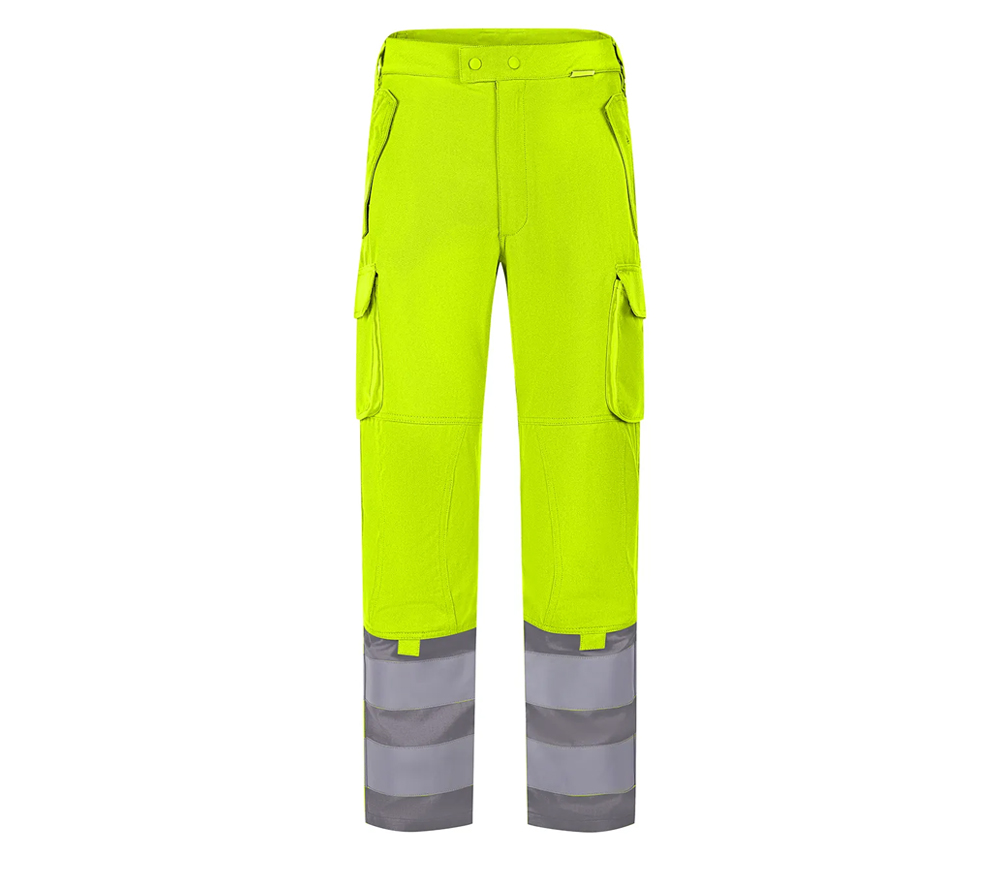
What Are FR Pants and How Do They Protect Construction Workers?
What Are Fire-Resistant Pants?
Flame resistant pants, often called FR gear, are work clothes that put themselves out when they catch fire or get too hot. Regular clothes just burn away, but materials like Nomex and Kevlar don't melt or catch fire easily. This gives people working near flames those precious extra moments to get out of harm's way before things get worse. The good news is these protective pants keep working even after many laundry cycles, which is why so many folks in construction sites, oil rigs, and power plants wear them daily. Anyone who works around potential flash fires knows how important this kind of protection really is.
The Science Behind Fire Resistance in FR Clothing
FR pants work through advanced fabric engineering:
- Thermal stability: Materials like PBI® fibers char when exposed to flames, forming an insulating barrier that slows heat transfer.
- Arc resistance: Kevlar®-based blends resist electrical arcs up to 40 cal/cm² (NFPA 70E 2023), significantly reducing burn severity.
- Moisture management: Advanced weaves wick sweat while maintaining flame resistance, essential for workers in high-heat environments.
A 2023 ASTM F1506 study confirmed that properly certified FR pants reduce second-degree burn risks by 73% compared to untreated cotton.
Lower-Body Protection in High-Risk Work Environments
Construction sites expose legs to sparks, molten metal splatter, and abrasive surfaces. FR pants provide:
- Multi-threat defense: Combining flame resistance with tear-resistant seams and reinforced knees.
- Compliance assurance: Meets OSHA 1910.269 standards for electrical safety and NFPA 2112 for flash fire protection.
- Mobility optimization: Ergonomic designs with articulated knees allow unrestricted movement during tasks like welding or scaffolding work.
Workplaces using certified FR gear report 58% fewer thermal injury claims annually, underscoring their role in proactive hazard mitigation.
Critical Hazards on Construction Sites That Demand FR Pants
Construction workers face life-threatening thermal hazards daily—from arc flashes reaching 35,000°F to combustible dust explosions. FR pants provide essential protection, reducing second- and third-degree burn risks by 60% compared to standard workwear according to 2023 safety data.
Protection Against Flash Fires and Electrical Arcs
FR pants self-extinguish within two seconds of ignition, while untreated cotton continues burning for over 120 seconds. This difference is crucial in limiting burn severity from electrical faults or flammable vapor ignition, which account for 72% of lower-body injuries in energy sector accidents (Ponemon 2023).
Real-World Applications in Oil, Gas, and Electrical Construction
Workers wearing NFPA 70E-compliant FR pants suffered 57% fewer severe leg burns during transformer maintenance compared to those in non-FR gear, according to a 2022 arc flash incident analysis. In oil refineries, the heat-blocking layers of FR fabric help prevent injuries from molten metal splashes during pipe welding operations.
When FR Gear Becomes Non-Negotiable: Hazard Assessment Guidelines
OSHA requires FR pants wherever flash fire risks exceed 2 cal/cm²—equivalent to holding a lit match three inches from fabric for three seconds. Employers must conduct ASTM F1506 hazard assessments before any hot work, especially near energized equipment or combustible materials.
Case Study: Preventing Severe Burns with Proper FR Lower-Body Protection
After a 2023 gas line explosion, crews wearing multi-layer FR pants escaped with minor singeing despite eight seconds of direct flame exposure. Investigators found that non-FR uniforms contributed to 83% of leg burns requiring skin grafts among adjacent teams.
Key FR Materials: Nomex, Kevlar, and PBI Compared
How Nomex, Kevlar, and PBI Resist Flames and Heat
Nomex®, Kevlar®, and PBI (Polybenzimidazole) form the backbone of modern FR pants, each engineered for extreme thermal hazards. Nomex—a meta-aramid fiber developed by a leading manufacturer—carbonizes at 698°F (370°C) to create a protective char layer that insulates against heat. Kevlar, a para-aramid fiber, combines exceptional tensile strength (3,620 MPa) with thermal stability, making it ideal for resisting molten metal splashes. PBI outperforms both in extreme conditions, maintaining structural integrity up to 1,300°F (704°C) before decomposition begins. According to the 2024 Inherent Fire-Resistant Fabrics Report, PBI retains 85% of its strength even after 200 hours at 600°F (316°C), a critical advantage for electrical arc protection.
Comparing Flame Resistance, Durability, and Performance
| Material | Flame Resistance | Durability | Best Use Case |
|---|---|---|---|
| Nomex | Self-extinguishes in <2 seconds | Moderate abrasion resistance | Flash fire environments |
| Kevlar | Resists 900°F (482°C) melting | High cut/tear resistance | Molten metal & welding |
| PBI | No ignition below 1,300°F | Low fiber degradation | Oil/gas extraction & arc flash zones |
Independent testing shows Nomex maintains protection through 50 industrial washes—five times longer than treated cotton alternatives.
Long-Term Wearability of FR Fabrics in Harsh Conditions
Modern FR pants prioritize comfort without compromising safety. Kevlar blends reduce weight by 30% compared to legacy materials, while Nomex’s natural moisture-wicking properties help regulate body temperature during 12-hour shifts. PBI’s flexible molecular structure allows for ergonomic designs with 20% greater range of motion than traditional stiff fabrics—a key factor in reducing worker fatigue according to occupational safety studies. All three materials meet NFPA 2112 standards for heat attenuation (<50% body burn risk), ensuring compliance and long-term usability in environments with constant exposure to sparks, chemicals, and UV radiation.
OSHA and NFPA Compliance: Why Certified FR Pants Matter
OSHA Requirements for Fire-Resistant Gear and Employer Duties
The Occupational Safety and Health Administration requires flame resistant pants for workers in certain industries where there's risk of exposure to flames or electrical arcs. These requirements fall under specific rules such as 29 CFR 1910.269 for electric utility workers and 29 CFR 1926 Subpart V for construction sites. Before getting anyone into the field, employers need to assess potential hazards first. Then they have to supply certified FR gear without charging employees for it, plus make sure everyone knows how to wear and care for their protective clothing properly. Companies that skip these steps face serious consequences now that OSHA has increased penalties significantly. The current fine stands at over $15,625 for each violation discovered during inspections.
NFPA 2112, NFPA 70E, and ASTM F1506 Standards Explained
These standards define critical safety thresholds for FR workwear:
| Standard | Scope | Key Requirements |
|---|---|---|
| NFPA 2112 | Flash fire protection (oil/gas) | Garment must not break open after 3-second flash fire exposure |
| NFPA 70E | Electrical arc flash protection | Requires arc thermal performance value (ATPV) ≥ 8 cal/cm² |
| ASTM F1506 | Material durability | Tests flame resistance after 50+ industrial wash cycles |
NFPA 70E-certified FR pants reduce arc flash injury risks by 85% compared to untreated fabrics.
Understanding FR Clothing Certifications and Their Importance
Third-party certifications ensure FR pants meet safety benchmarks before deployment. Labels from accredited labs verify compliance, while improper laundering (e.g., using fabric softeners) voids certifications. Employers must conduct quarterly gear inspections—damaged FR clothing fails 37% of ASTM F1506 durability tests after six months of fieldwork (Industrial Safety Journal 2024).
Comfort, Fit, and Practicality: Wearing FR Pants All Day
For construction professionals working 10-hour shifts, FR pants must deliver safety without sacrificing comfort. Modern designs combine ergonomic patterning with moisture-wicking fabrics, meeting ASTM F2700 standards for over 200 industrial washes while retaining flame resistance. A 2023 Workplace Ergonomics Study linked well-fitted FR gear to 34% lower fatigue rates than ill-fitting alternatives.
Ergonomic Design: Balancing Safety and Comfort in FR Workwear
The latest fire resistant pants come equipped with four way stretch fabric and knees that actually move like real legs when someone needs to climb ladders or work around machines all day long. The reinforced areas at the bottom stop the pants from tearing when workers bend over repeatedly, and there are special vents on the calves to keep things cool even when temperatures inside factories start climbing. These improvements fit right into what we know about how equipment should be designed for comfort and safety. Some research out there suggests these kinds of upgrades can cut down on back and joint problems by almost a third according to various field tests conducted across different industries.
Durability Meets Daily Usability for Construction Professionals
The outer layer resists wear from concrete dust and flying sparks from welding operations. Those stress points where workers typically tear their gear are double stitched, which makes them last around three times longer than regular stitching according to lab tests that speed up normal wear conditions. The placement of tool pockets was carefully thought out so they don't compromise protection while still being accessible. Fabrics used retain their color even after prolonged exposure to sunlight and harsh chemicals commonly found on job sites. When it comes to materials, high tenacity blends of modacrylic and Nomex go beyond what NFPA 2112 standards require for durability. These garments hold up for over 18 months with daily wear, whereas standard cotton workwear tends to start showing signs of wear within just 6 to 12 months of constant use.
Frequently Asked Questions (FAQ)
1. What materials are commonly used in FR pants?
FR pants often use materials like Nomex, Kevlar, and PBI, which are engineered to resist fire and heat.
2. How do FR pants work?
FR pants work by using materials that char or form insulating barriers when exposed to flames, slowing the transfer of heat.
3. Who should wear FR pants?
Workers in high-risk environments like construction sites, oil rigs, and power plants, who are exposed to flames, electrical arcs, or molten metal splashes, should wear FR pants.
4. What are the key standards for FR pants?
The key standards include NFPA 2112 for flash fire protection, NFPA 70E for electrical arc flash protection, and ASTM F1506 for material durability tests.
5. How should FR pants be maintained?
FR pants should be maintained according to manufacturer guidelines, avoiding fabric softeners and improper laundering, which can void certifications.
Table of Contents
- What Are FR Pants and How Do They Protect Construction Workers?
-
Critical Hazards on Construction Sites That Demand FR Pants
- Protection Against Flash Fires and Electrical Arcs
- Real-World Applications in Oil, Gas, and Electrical Construction
- When FR Gear Becomes Non-Negotiable: Hazard Assessment Guidelines
- Case Study: Preventing Severe Burns with Proper FR Lower-Body Protection
- Key FR Materials: Nomex, Kevlar, and PBI Compared
- OSHA and NFPA Compliance: Why Certified FR Pants Matter
- Comfort, Fit, and Practicality: Wearing FR Pants All Day
- Frequently Asked Questions (FAQ)