 EN
EN

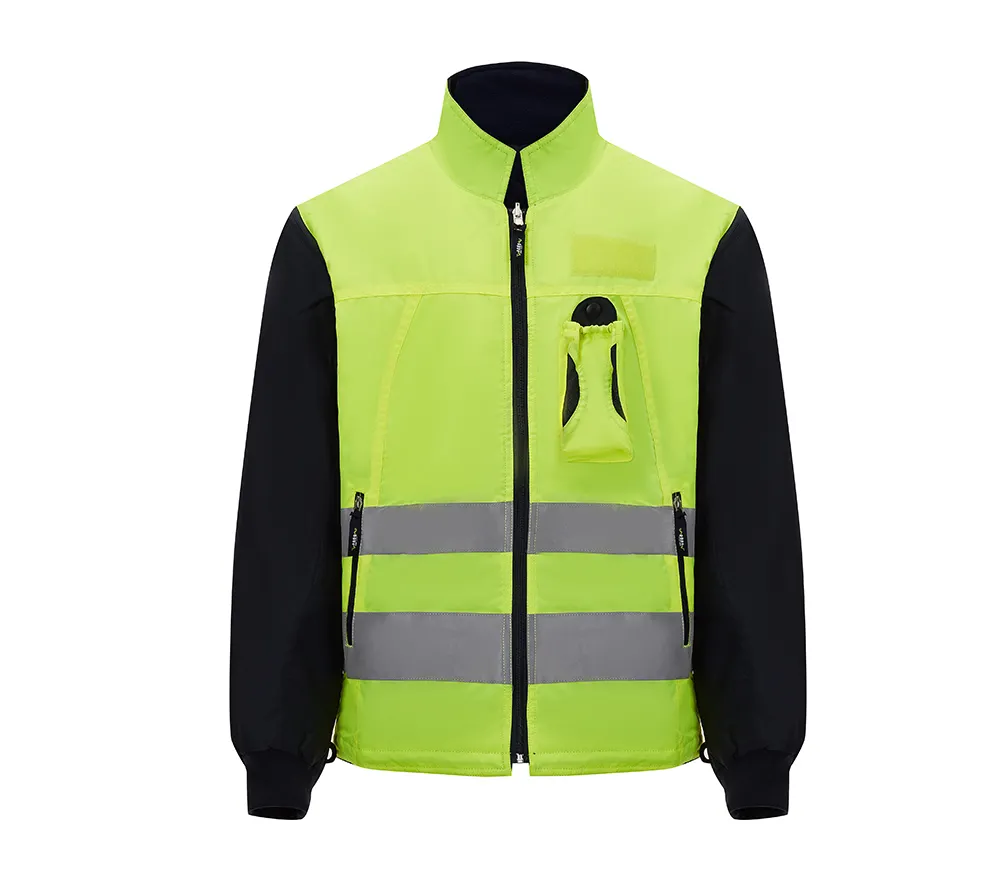
Enhanced Visibility and Safety in Challenging Weather Conditions
How fluorescent materials and reflective strips improve worker visibility
Fluorescent stuff works by soaking up ultraviolet light and then sending it back out as visible colors we can actually see during the day. This makes things stand out about three times better than regular colored materials. Then there are those reflective strips that bounce back around 90 percent of whatever light hits them straight back where it came from. That means someone driving past at night can spot something from over a thousand feet away when their headlights hit those strips. Some studies have found that workers wearing this kind of gear recognize obstacles almost half a second faster in dim conditions. And that extra fraction of a second really matters when trying to stay clear of big machines moving around warehouses or construction sites.
Performance of high visibility waterproof garments in rain and low-light environments
ANSI Class 3-certified garments maintain over 80% reflectivity during heavy rainfall, thanks to hydrophobic surface treatments that prevent water accumulation. Fluorescent yellow materials remain effective at the 520 nm wavelength even in fog, ensuring 360° visibility at quarter-mile distances under adverse conditions.
Case study: Reducing near-miss incidents on roadwork sites with hi-vis rain gear
A 2023 highway maintenance trial found that workers wearing waterproof hi-vis jackets with 2-inch reflective striping experienced a 42% reduction in near-miss vehicle incidents compared to those using standard rainwear. Workers also observed a 67% improvement in driver response times during nighttime asphalt repairs.
Advancements in retro-reflective technology and long-term material performance
Microprismatic reflective films now achieve brightness levels of 1,200 candelas/lux/m²—three times more reflective than traditional glass-bead designs. Per ASTM G155 accelerated weathering tests, these advanced materials retain 95% of their initial reflectivity after 1,200 hours of UV exposure, ensuring long-term reliability.
Balancing brightness retention with material durability over time
Cross-laminated polyester fabrics resist color degradation (≤5% fade after 50 washes) while preserving 98% waterproof integrity. Reflective trims engineered for abrasion resistance endure over 12,000 double rubs (ASTM D4966) without delamination, making them ideal for demanding construction environments.
Comprehensive Protection Against Rain, Wind, and Cold Exposure
Waterproof and windproof fabrics such as Oxford polyester with DWR coating
Most high visibility gear designed to stay dry in wet conditions relies on Oxford polyester fabric that's been coated with DWR treatments. This creates a strong defense against getting soaked when working outdoors. The material can handle pretty intense pressure from water too around 5000mm or higher. And good news for those concerned about chemicals these days many manufacturers now offer PFAS free DWR coatings that still work well after dozens of industrial laundry cycles, sometimes over fifty. For wind protection, there are special membranes built into the clothing that stop cold air from cutting through but let body heat escape so workers don't get too hot during their shifts.
Thermal regulation through insulated, breathable layering systems
Optimal thermal management combines moisture-wicking base layers with insulating mid-layers and breathable outer shells. Advanced membranes enable 85% moisture vapor transfer, supporting adaptation across 40°F temperature fluctuations during extended shifts. Strategically placed ventilation zones further reduce overheating risks during high-exertion tasks.
Field evidence: Maintaining body temperature in extreme conditions with hi-vis rainwear
Looking at data from around 450 road crews back in 2023, researchers found something interesting about those new high visibility rain suits with built-in thermal layers. These outfits kept workers' core temperatures pretty close to normal even when temperatures dropped below 40 degrees Fahrenheit for extended periods. The difference was only about 1.5 degrees on average. Crew members who wore them noticed something else too there were roughly 72 percent fewer cases of cold stress compared to what they experienced with older protective gear. And best of all, nobody had problems seeing through their gear anymore since the material didn't fog up or get cloudy from moisture inside.
Material Innovation and Breathability in High Visibility Waterproof Garments
Importance of Breathability and Moisture Management for Worker Comfort
Hi vis rain gear these days solves what used to be a real problem for outdoor workers: getting properly protected without overheating. The old style rubber coats would just trap all the sweat inside, making people miserable after an hour or two. Newer versions have these special membranes with tiny pores that stop rainwater from getting through but let body moisture out. So workers stay dry whether it's pouring down outside or they're working hard and sweating up a storm. Most construction sites report better productivity since switching to this kind of gear because nobody gets distracted by being wet or uncomfortable anymore.
Comparative Analysis: PVC, Polyurethane, and Coated Polyester in Safety Rainwear
Material choice significantly influences garment performance:
| Material | Waterproofing | Breathability (g/m²/24h) | Flexibility |
|---|---|---|---|
| PVC | Excellent | ≤ 500 | Low |
| Polyurethane | High | 1,200–1,800 | Moderate |
| Coated Polyester | High | 2,000–3,500 | High |
Coated polyester with DWR treatment is the preferred industrial solution, offering 3.4x better moisture management than PVC-based alternatives.
NIOSH (2022) Findings on Reduced Moisture Buildup in Breathable Hi-Vis Jackets
A NIOSH study revealed breathable hi-vis jackets reduced internal humidity by 58% over full 8-hour shifts compared to non-breathable models. Workers wearing these garments reported 41% fewer symptoms of heat stress, confirming the operational benefits of air-permeable safety wear.
Emerging Trend: Phase-Change Materials in Next-Generation Waterproof Safety Apparel
Phase-change materials (PCMs) embedded in fabric layers actively stabilize body temperature by absorbing excess heat during activity and releasing it during rest. These nanotechnology-enhanced systems maintain consistent thermal comfort across 15–35°C environments without compromising ANSI-compliant visibility requirements.
Durability, Fit, and Impact on Worker Productivity
Reinforced Construction: Seams, Stitching, and Abrasion-Resistant Zones
Durability in hi-vis waterproof garments comes from reinforced seams and targeted abrasion-resistant panels. Double-stitched seams with bonded thread increase tensile strength by up to 40% over conventional stitching, while reinforced shoulder and knee zones extend service life in high-friction work areas.
Case Study: Service Life of High Visibility Waterproof Garments Across Major Infrastructure Projects
A 2022 evaluation of bridge construction teams found that garments with triple-layer seam reinforcement retained 92% structural integrity after 18 months of continuous use, outlasting standard PPE by an average of 3.2 years in rigorous field conditions.
Ergonomic Design and Mobility Features in Modern Hi-Vis Waterproof Jackets
Articulated joints, stretch inserts, and adjustable cuffs support unrestricted movement for tasks like overhead drilling or ladder climbing. Workers using ergonomically designed jackets reported 31% less upper-body fatigue during 10-hour shifts, according to the 2023 Occupational Ergonomics Report.
Survey Insights: 68% Improvement in Task Efficiency With Well-Fitted PPE
A 2023 survey of 1,200 utility workers found properly fitted hi-vis rainwear reduced complaints about restricted motion by 53%. Additionally, 68% completed cable installation tasks 12 minutes faster when wearing well-fitted gear compared to oversized alternatives.
Inclusive Sizing Strategies to Enhance Comfort and Compliance
Modular sizing systems accommodating chest measurements from 34" to 58" improved PPE compliance rates from 72% to 89% among highway maintenance crews. The better fit also enhanced airflow, reducing heat stress incidents by 22%.
Regulatory Compliance and Industry Applications of Hi-Vis Rainwear
High visibility waterproof clothing needs to meet both ANSI/ISEA 107 and OSHA requirements. These standards set out specific guidelines including at least 310 square inches of reflective material for Class 3 gear and certain levels of brightness in the base fabric. The updated ANSI/ISEA 107-2020 standard actually brings in some environmental protections now too, like limiting the use of PFAS chemicals in those waterproof coatings that keep workers dry. Companies that fail to follow these rules could face fines going as high as $15,000 for each violation according to OSHA's General Duty Clause. This makes getting third party certifications not just good practice but essential for passing audits when regulators come knocking.
These garments are essential across multiple sectors:
- Construction: 82% of site managers report fewer visibility-related incidents with ANSI-certified rainwear
- Emergency services: Reflective striping ensures visibility at 600+ feet during storms
- Utilities: Modular hi-vis systems minimize gear changes during mixed indoor/outdoor operations
A 2023 global review found 74% of manufacturers now produce multi-standard garments compliant with both ANSI 107 and EN ISO 20471, simplifying PPE logistics for multinational teams.
FAQs
What materials are used in high visibility clothing to improve safety?
High visibility clothing often uses fluorescent materials and reflective strips. Fluorescent materials work by absorbing ultraviolet light and re-emitting it as visible colors, increasing visibility during the day. Reflective strips, on the other hand, bounce back light source directly to its origin, enhancing nighttime visibility.
How do these garments perform in adverse weather conditions?
Garments like ANSI Class 3-certified gear maintain over 80% reflectivity even during heavy rainfall due to hydrophobic surface treatments. Fluorescent materials remain effective even in fog, ensuring 360° visibility.
Are these garments comfortable to wear for extended periods?
Yes, modern high visibility garments incorporate breathable membranes that allow moisture vapor transfer, preventing overheating and maintaining thermal comfort. Advanced materials and ergonomic designs also help reduce fatigue and improve mobility.
Do high visibility garments comply with safety regulations?
Yes, such garments are subject to standards like ANSI/ISEA 107 and OSHA regulations, ensuring they meet safety and environmental protection criteria. Compliance is crucial for avoiding significant fines and ensuring worker safety.
Table of Contents
-
Enhanced Visibility and Safety in Challenging Weather Conditions
- How fluorescent materials and reflective strips improve worker visibility
- Performance of high visibility waterproof garments in rain and low-light environments
- Case study: Reducing near-miss incidents on roadwork sites with hi-vis rain gear
- Advancements in retro-reflective technology and long-term material performance
- Balancing brightness retention with material durability over time
- Comprehensive Protection Against Rain, Wind, and Cold Exposure
-
Material Innovation and Breathability in High Visibility Waterproof Garments
- Importance of Breathability and Moisture Management for Worker Comfort
- Comparative Analysis: PVC, Polyurethane, and Coated Polyester in Safety Rainwear
- NIOSH (2022) Findings on Reduced Moisture Buildup in Breathable Hi-Vis Jackets
- Emerging Trend: Phase-Change Materials in Next-Generation Waterproof Safety Apparel
-
Durability, Fit, and Impact on Worker Productivity
- Reinforced Construction: Seams, Stitching, and Abrasion-Resistant Zones
- Case Study: Service Life of High Visibility Waterproof Garments Across Major Infrastructure Projects
- Ergonomic Design and Mobility Features in Modern Hi-Vis Waterproof Jackets
- Survey Insights: 68% Improvement in Task Efficiency With Well-Fitted PPE
- Inclusive Sizing Strategies to Enhance Comfort and Compliance
- Regulatory Compliance and Industry Applications of Hi-Vis Rainwear