 EN
EN

The Critical Importance of Visibility in Emergency Response
How Poor Visibility Increases Risks for First Responders at Incident Scenes
When visibility drops, what might seem like everyday emergencies suddenly become dangerous situations on the road. Consider this scenario: someone driving at 50 miles per hour needs about 220 feet just to come to a complete stop. But during those golden hour moments when daylight fades, most drivers can spot regular work clothes from only about 125 feet away. That leaves barely enough time to hit the brakes before reaching someone standing nearby. And studies show workers without proper visibility equipment face nearly triple the risk of close calls compared to colleagues who wear reflective clothing. The difference between being seen and going unseen matters more than many realize out there on the highways.
Role of Hi Vis Garments in Preventing Roadside Accidents and Enhancing Responder Safety
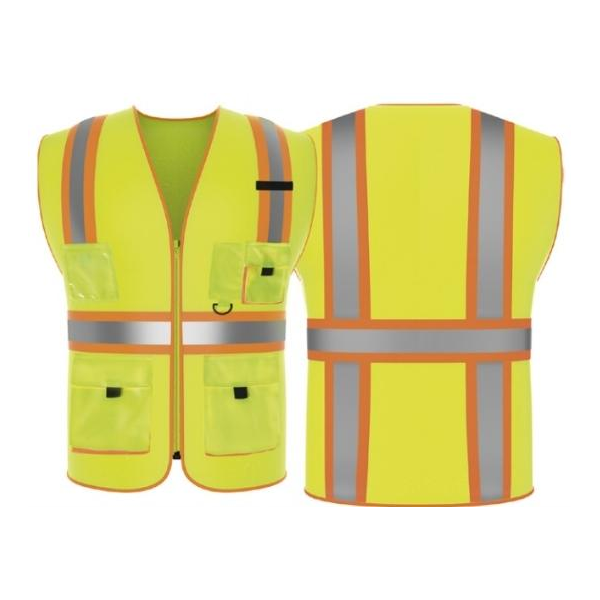
High visibility clothing relies on those bright ANSI certified materials that let people see them from more than 500 feet away. Transportation researchers have found something interesting about this extra visibility distance. Drivers actually get around six extra seconds to spot someone wearing these clothes when it's dark out, which cuts down the chance of getting hit by a car by almost 40 percent. That might not sound like much until you think about what happens along roadsides at night. When emergency responders need to step into traffic suddenly, those few extra seconds can make all the difference between walking away safely and facing serious injury or worse.
Application of Hi Vis Garments Across Emergency Disciplines
Use of Hi Vis Vests by EMS Personnel in Low-Light and Nighttime Scenarios
For EMS crews working at night, those bright yellow or orange vests with reflective strips are absolutely essential for staying seen. The numbers back this up too - folks who wear proper gear report about half as many close calls while responding on roads, per data from the Emergency Response Safety Institute last year. What makes these vests so effective? They let other drivers spot them from way back, sometimes over 500 feet away even when visibility is poor. This matters a lot when paramedics need to treat someone right there on a busy highway where cars are zooming past at high speeds.
Coordinated Use of High-Visibility Gear by Law Enforcement, Firefighters, and Paramedics
Having standardized high visibility clothing really helps different agencies work together better during emergencies. Most fire departments have started giving out those Type P jackets that reflect light all around, making firefighters visible from every angle. Police officers typically wear vests that fit over their body armor without getting in the way of their duty belts. A recent study on safety gear actually pointed something important out: protective clothing needs to handle multiple dangers at once but still let people move freely. This idea is definitely influencing how manufacturers design gear these days, blending protection with practicality for real world situations.
Deployment in Extreme Environments: Highways, Wildfires, and Disaster Zones
Hi vis gear is essential in extreme conditions such as:
- Wildfire zones requiring NFPA 1977-compliant flame-resistant materials
- Flood rescues needing buoyant, water-resistant suits
- Urban disaster sites where infrared-reflective fabrics aid drone-based search efforts
Highway response teams report 62% faster incident clearance times when using Class 3 coveralls, as early crew detection prompts timely driver deceleration (Federal Highway Administration 2022).
Innovations and Future Trends in Hi Vis Protective Apparel
Smart Textiles and Advanced Reflective Technologies in Modern Hi Vis Garments
The latest protective gear now includes tiny prisms that react to light and reflective materials that kick in when someone moves, making workers much easier to see at night. Some tests show this can boost visibility three times compared to older gear. These suits have smart systems that change how bright they shine depending on what's going on around them. That matters because nearly 6 out of 10 deaths in construction zones happen because people couldn't be seen properly according to NIOSH research from last year. Also built into these uniforms are fabrics that pull sweat away from the body and small computer chips that let managers track where emergency workers are during tough situations. Think about firefighters battling blazes or paramedics working after major car accidents on highways. The combination of all these technologies is changing how safety equipment works in dangerous conditions.
Lightweight, Breathable Designs for Extended Wear in Demanding Conditions
The latest high visibility clothing incorporates a smart mix of materials these days. Most designs feature around 85% polyester mesh combined with reinforced nylon sections throughout, which cuts down on overall weight by roughly 40%. These still manage to comply with the strict ANSI 107-2020 safety requirements though. For those working long hours in emergency situations, manufacturers have added special ventilation areas plus antimicrobial coatings to handle the grueling 72 hour shifts without discomfort. Some newer versions even come equipped with phase change cooling technology inside the fabric layers. This innovative material actually helps reduce body temperature by somewhere between 3 to 5 degrees Fahrenheit when personnel are stuck outside for extended periods during rescue missions or other field operations.
Multi-Functional PPE Combining Flame Resistance, Weather Protection, and High Visibility
Modern protective gear combines EN 469 flame resistant materials with Class 3 visibility standards to shield workers from those sudden flash fires that happen during industrial accidents. The ripstop fabric used has special hydrophobic coatings that keep about 98% of water away while still maintaining good reflective properties for visibility. These suits also feature modular attachment points which fit nicely with SCBA breathing apparatus and rescue harnesses. This design actually helps cut down on injuries firefighters suffer when their equipment gets tangled. According to NFPA data from 2024, around two thirds of structural firefighter injuries come from this kind of entanglement problem.
Safety Standards and Regulatory Compliance for Hi Vis Clothing
ANSI/ISEA 107-2020 Standards: Key Requirements for Hi Vis Safety Apparel
The ANSI/ISEA 107-2020 standard defines three performance classes based on risk exposure. Class 3—the highest level—requires 310+ square inches of fluorescent background material and 155+ square inches of retroreflective striping for full-body coverage, ensuring visibility at 1,280 feet under headlights. Class 1 provides partial coverage with a minimum of 217 combined square inches. Type P garments are designed specifically for emergency responders, incorporating functional features like radio pockets and knife slits while maintaining 360° reflectivity.
Alignment of ANSI Standards With OSHA Guidelines for Emergency Response Operations
OSHA mandates compliance with hi vis requirements through 29 CFR 1910.132 (PPE General Requirements) and 1926.100 (Head Protection), requiring employers to provide ANSI-compliant gear when workers operate near traffic exceeding 25 mph. Since 2020, 83% of U.S. fire departments have adopted the updated ANSI/ISEA 107-2020 guidelines, aligning their protocols with federal recommendations and achieving a 41% reduction in struck-by incidents (NIOSH 2023).
Compliance Practices Across Municipal and State Emergency Service Units
States like California and Texas require quarterly inspections of hi vis apparel using UV degradation tests and reflectivity meters. Agencies that conduct monthly PPE audits report a 67% decrease in non-compliance violations compared to those performing annual checks. Procurement trends show growing preference for dual-certified (ANSI + NFPA) garments, with 92% of surveyed EMS units noting improved interoperability during multi-agency responses.
FAQ Section
What are hi vis garments, and why are they important?
Hi vis garments are high visibility clothing that enhances a person's visibility during low light or nighttime. They are crucial for ensuring responder safety by making them more visible to drivers and preventing roadside accidents.
How do ANSI standards relate to hi vis clothing?
ANSI standards define the requirements for hi vis clothing, such as the amount of fluorescent and retroreflective material needed to ensure visibility from a certain distance. Compliance with these standards is crucial for safety during emergency response operations.
What innovations are being made in hi vis protective apparel?
Current innovations in hi vis protective apparel include smart textiles and advanced reflective technologies, making garments more visible and incorporating features such as sweat-wicking fabrics and tracking systems.
Table of Contents
- The Critical Importance of Visibility in Emergency Response
- Application of Hi Vis Garments Across Emergency Disciplines
-
Innovations and Future Trends in Hi Vis Protective Apparel
- Smart Textiles and Advanced Reflective Technologies in Modern Hi Vis Garments
- Lightweight, Breathable Designs for Extended Wear in Demanding Conditions
- Multi-Functional PPE Combining Flame Resistance, Weather Protection, and High Visibility
- Safety Standards and Regulatory Compliance for Hi Vis Clothing
- ANSI/ISEA 107-2020 Standards: Key Requirements for Hi Vis Safety Apparel
- Alignment of ANSI Standards With OSHA Guidelines for Emergency Response Operations
- Compliance Practices Across Municipal and State Emergency Service Units
- FAQ Section