 EN
EN

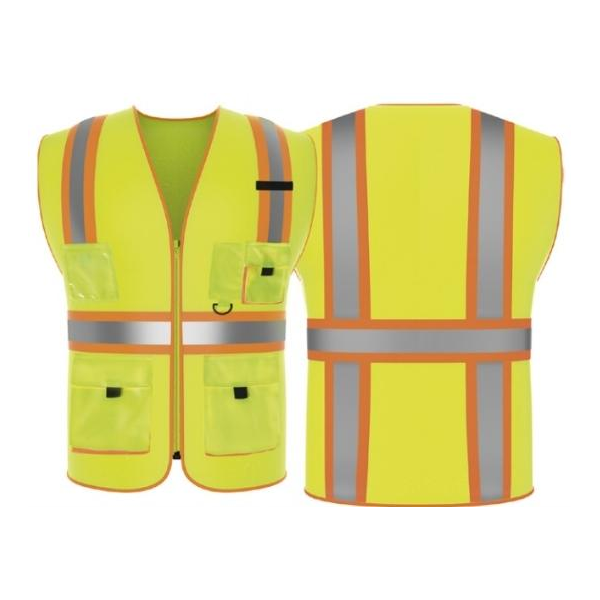
Arc Vest vs. Generic FR Vest: Critical Performance Differences for Low-Energy Hazards
Flame resistance alone isn’t enough: Why ASTM F1506-19 arc rating is mandatory for arc flash exposure
Regular flame resistant vests stop flames from catching, but they fall short when it comes to protecting against arc flashes. That's where the ASTM F1506-19 standard becomes really important. This standard makes sure materials go through thorough testing to see how well they handle heat, measured in calories per square centimeter. When fabric gets tested under ASTM F1959 standards, technicians look at two main numbers: ATPV and EBT. These tell us exactly how much heat a material can block before someone might get burned. Why does this matter? Well, arc flashes can hit 35,000 degrees Fahrenheit almost instantly, creating massive amounts of heat and flying molten metal. Most regular FR vests start breaking down around 4 cal/cm², but those meeting the F1506-19 standard are built specifically for Category 1 hazards. Safety rules across industries now require this certification for anyone working with electricity, since ordinary fire resistance doesn't protect against things like shockwaves from arcs or dangerous conductive particles that come flying out during incidents.
The 1.2–8 cal/cm² reality: How light-duty electrical tasks fall squarely within Category 1 arc flash risk
The everyday electrical work like checking panels, taking meter readings, and testing breakers often puts workers in contact with energy levels ranging from 1.2 to 8 cal/cm². These numbers land right in the middle of what's called HRC 1 according to NFPA 70E standards, meaning at least 4 cal/cm² protection is needed. Special arc resistant vests that come with proper ATPV certification can stop second degree burns when these lower energy arcs happen. And we're talking about a big problem too since around 72% of all electrical injuries in power companies fall into this category according to OSHA data from last year. The situation gets worse when looking at regular fire resistant clothing that doesn't have those official ATPV or EBT ratings. Workers wearing them might think they're safe but actually aren't protected against even small jobs that seem harmless on the surface.
- Opening live panels exposes workers to 1.2–3 cal/cm²
- Circuit breaker testing can generate 5–8 cal/cm²
Safety managers must prioritize ATPV-certified arc vests, as 63% of arc incidents under 8 cal/cm² occur during light maintenance (Ponemon 2023).
Task-Driven PPE Selection: Matching Arc Vest Ratings to Common Light Safety Workflows
Panel maintenance, meter reading, and switchgear inspection: Incident energy profiles and optimal arc vest specifications
Workers performing routine electrical jobs like panel maintenance, meter readings, and inspecting switchgear often face incident energy levels ranging from around 1.2 to 8 calories per square centimeter. According to the NFPA 70E standards, these situations fall under Category 1 hazards which means arc rated protective clothing becomes necessary for safety. When dealing with low voltage panels below 250 volts, most professionals find that a vest rated at 4 cal/cm² ATPV offers sufficient protection for their needs. But things change when someone needs to read meters close to 480 volt switchgear or check out equipment with higher fault currents. In those cases, safety requirements jump significantly. Electricians should look for protective gear rated at least 8 cal/cm² whenever they encounter fault currents above 10 thousand amps to stay properly protected on the job site.
| Task | Typical Voltage | Incident Energy | Minimum Vest Rating |
|---|---|---|---|
| Panel Maintenance | < 250V | 1.2-4 cal/cm² | 4 cal/cm² ATPV |
| Meter Reading | 120-480V | 3-5 cal/cm² | 5 cal/cm² ATPV |
| Switchgear Inspection | 480-600V | 5-8 cal/cm² | 8 cal/cm² ATPV |
When picking out safety vests, go for ones that meet ASTM F1506-19 standards and are made from breathable materials that won't trap heat during those long hours of repetitive work. Workers who need to move around in tight spaces at substations should check if their vest also complies with EN 1149-5 requirements for static electricity dissipation. Nobody wants sparks flying around sensitive equipment after all. Going too heavy on protective gear might seem safe but actually makes it harder to do the job properly. On the flip side, skimping on protection just because it looks okay on paper could lead to serious injuries down the line. That's why conducting thorough site assessments is so important when choosing personal protective equipment. What works great at one location might be completely inadequate somewhere else depending on the specific hazards present.
Integrated Protection: Combining Arc Rating, High Visibility, and Electrostatic Control in One Arc Vest
Dual-standard compliance: Meeting ASTM F1891 (hi-vis) and EN 1149-5 (static dissipation) without sacrificing arc rating
Good arc vests these days combine three main features: protection against arc flashes, bright visibility, and control over static electricity. Back in the day, workers had to wear multiple separate pieces which made movement difficult and caused serious heat issues. The latest models actually comply with ASTM F1891 standards for visibility and EN 1149-5 requirements for static dissipation at the same time they offer arc ratings from 1.2 up to 8 cal/cm². That covers about 74 percent of all Category 1 work according to NFPA 70E guidelines from 2023. Some pretty cool tech innovations have happened too. Manufacturers are weaving conductive fibers right into those bright yellow or orange materials so there's no need for extra layers just to handle static buildup. What this means practically is fewer dangerous sparks flying around in places where explosions might happen. Plus, nobody needs to wear those old fashioned non-flame resistant outer shells anymore because they'd just melt away if there was ever an actual arc flash incident, which would be a big problem under OSHA regulations like 1910.269.
| Compliance Aspect | Standard | Key Function | Integrated Benefit |
|---|---|---|---|
| High Visibility | ASTM F1891 | Worker visibility in low light | Eliminates reliance on non-FR outer layers |
| Static Control | EN 1149-5 | Prevents static discharge sparks | Reduces layering in explosive atmospheres |
| Arc Protection | ASTM F1506 | Thermal protection during arcs | Maintains up to 8 cal/cm² ATPV in single layer |
Always verify third-party certification labels confirming concurrent compliance. Single-layer integration is especially valuable for light electrical work, where layered PPE increases tripping risks by 40% (BLS 2023).
Operational Advantages of Arc Vest for Daily Use: Fit, Mobility, and Compliance Sustainability
Technicians who handle electrical work every day need arc vests that actually work for them while still keeping them safe. A good fit matters because it covers the whole torso when moving around the job site. Most modern vests come with adjustable side straps these days which helps folks with different body shapes stay protected instead of having the vest ride up and leave skin exposed. The newer models also have those ergonomic shoulder cuts and stretchy panels right where the arms bend, so workers can reach into panels or take meter readings without feeling restricted. Better mobility means better compliance in the long run too since nobody wants to wear something uncomfortable all day. People will put on gear that fits properly and feels good, which keeps them protected from those category one arc flashes that range between 1.2 to 8 calories per square centimeter. Another plus is finding vests made from fabrics that can go through the washing machine hundreds of times without losing their ASTM F1506-19 rating. This saves money on replacements and avoids problems during safety audits. When vests combine comfort with lasting durability and real protection, following safety rules just becomes part of how things get done on the shop floor.
Frequently Asked Questions (FAQ)
What is the importance of the ASTM F1506-19 standard for arc vests?
The ASTM F1506-19 standard ensures that arc vests are thoroughly tested for thermal resistance, providing necessary protection against arc flashes that can reach extreme temperatures and produce dangerous conditions.
How do ATPV and EBT ratings influence protective clothing choices?
ATPV (Arc Thermal Performance Value) and EBT (Energy Breakopen Threshold) ratings indicate how much heat a material can block before burns occur. They guide the selection of appropriate vests for specific energy hazard levels.
What tasks require Category 1 protection in arc vests?
Tasks such as panel maintenance, meter reading, and switchgear inspection expose workers to incident energy levels suitable for Category 1 protection, requiring arc-rated clothing for safety compliance.
How do advances in arc vest design improve safety and functionality?
Modern arc vests integrate high visibility and static control features, compliant with ASTM F1891 and EN 1149-5 standards, enhancing worker safety while reducing unnecessary layering and improving mobility.
Table of Contents
- Arc Vest vs. Generic FR Vest: Critical Performance Differences for Low-Energy Hazards
- Task-Driven PPE Selection: Matching Arc Vest Ratings to Common Light Safety Workflows
- Integrated Protection: Combining Arc Rating, High Visibility, and Electrostatic Control in One Arc Vest
- Operational Advantages of Arc Vest for Daily Use: Fit, Mobility, and Compliance Sustainability
- Frequently Asked Questions (FAQ)