 EN
EN

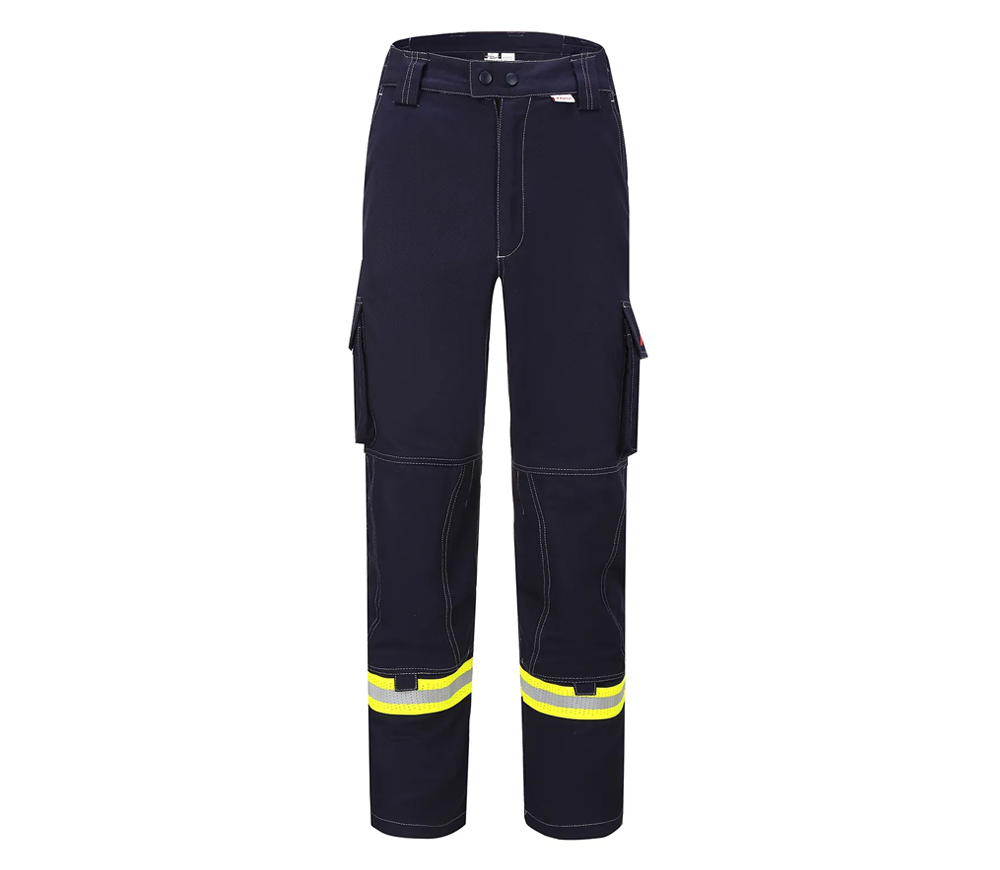
Why Arc Underwear Is a Non-Negotable Component of NFPA 70E-Compliant PPE Systems
The Critical Danger of Meltable Base Layers: How Polyester and Nylon Exacerbate Arc Flash Injuries
Regular base layers constructed from materials like polyester or nylon start melting around 480 degrees Fahrenheit, which can make arc flash injuries much worse than they need to be. These synthetic fabrics tend to stick to the skin when exposed to intense heat, extending how long someone suffers from burns and making recovery efforts far more complicated for doctors later on. According to industry studies, most people who suffer serious burns during electrical incidents are wearing regular clothing underneath their protective gear. Now compare this to specialized arc rated underwear that actually puts itself out after catching fire and stays whole even when subjected to temperatures reaching nearly 1800 degrees Fahrenheit. The difference in protection between these options is night and day, so it really doesn't make sense why anyone would risk using fabric that melts instead of investing in proper safety wear for electrical work environments.
Regulatory Mandates: OSHA Enforcement and NFPA 70E Article 130.7(C)(15)(a) on Flame-Resistant Undergarments
The NFPA 70E standard specifically calls for workers to wear flame resistant undergarments underneath their protective outerwear. OSHA backs this up through its electrical safety regulations found in 29 CFR 1910.269 and 1926 Subpart V. These rules basically say no meltable materials should be used when working in areas rated at Hazard Risk Category 2 or above. Companies that ignore these requirements face serious consequences too. Fines start around $15,625 for each instance where they're not following the rules properly. And if investigators find out that management knew about the problem but did nothing? The penalties jump all the way up to over $156,000 per violation. That's why it's so important for business owners to get this right from day one.
- Include base layer arc ratings in total system cal/cm² calculations
- Document the provision of FR undergarments to workers
- Conduct regular audits of PPE systems against task-specific hazard assessments
These requirements underscore that arc-rated underwear is not optional—it is a foundational element of any legally compliant and effective electrical safety program.
Arc Underwear Material Science: Inherent FR Fibers, Arc Rating Consistency, and System-Level Protection
Inherent vs. Treated FR Fibers: Long-Term Arc Rating Retention Through Industrial Laundering
Arc rated underwear constructed from inherent FR fibers actually builds flame resistance right into the fabric at a molecular level, so it provides lasting protection even after going through countless industrial washes. Treated fabrics are different though they tend to start losing their protective qualities around the 50 wash mark give or take. With inherent FR materials, workers get that same level of protection throughout the whole lifespan of the garment, usually holding above 8 cal/cm² ratings for arc flash protection. The fact that these materials don't degrade over time means workers can count on them when faced with electrical hazards, something that just isn't possible with conventional treated alternatives.
Cumulative Arc Rating Logic: Why Base Layer cal/cm² Must Be Integrated into Total System Calculations
NFPA 70E requires that all clothing layers contribute to the total system arc rating. Overlooking the base layer creates dangerous protection gaps. For example:
- Outerwear: 12 cal/cm²
- Base layer: 8 cal/cm²
-
Total protection: 20 cal/cm²
Failing to account for the base layer can result in underprotection by up to 40% in high-risk Category 4 tasks. Proper layering not only ensures compliance but also reduces burn injury severity by 67% compared to systems using non-FR base layers.
Performance Integration: How Arc Underwear Balances Thermal Protection with Wearability
Moisture-Wicking and Breathability as Protective Functions—Not Just Comfort Features
Arc rated underwear now brings together flame resistant features with modern moisture control technology. The open weave construction works alongside special fibers to pull sweat off the body quickly, making a real difference in how hot workers feel when doing demanding electrical work. Heat stress is a serious issue on job sites, and studies indicate that it can actually cut down worker awareness levels by almost a third after long periods in high temperature conditions. Testing conducted independently found that these newer garments keep body temps around 36 percent cooler than older style FR undergarments, which means less fatigue and better reaction times when hazards occur. What many don't realize is that proper moisture handling isn't just about comfort either. When moisture gets trapped under regular PPE gear during an arc flash incident, it can turn into dangerous steam explosions. Modern arc underwear addresses this risk while still maintaining full protection standards, giving workers peace of mind without compromising on safety requirements.
Field-Validated Impact: Real-World Evidence That Arc Underwear Reduces Secondary Injury Risk
Field studies show that arc rated undergarments really cut down on those nasty secondary burn injuries. People who wear flame resistant base layers need about half as many skin grafts after incidents. The numbers come from thermal injury reports back in 2023, and they make sense when we think about how synthetics like polyester start melting around 480 degrees Fahrenheit or so, which just makes burns worse. Another big plus is that these FR underlayers stop regular clothes from catching fire too. We've seen this work in actual arc flash situations where secondary fires dropped by nearly three quarters. When workers have this kind of layering protection, it actually blocks some of that intense heat from getting through their protective gear. Even if the outer layers get damaged somehow, the overall damage to tissues isn't as bad as it would be otherwise.
FAQ
Why is arc-rated underwear essential for NFPA 70E compliance?
Arc-rated underwear is crucial for compliance with NFPA 70E because it provides flame-resistant protection that prevents the melting of synthetic fabrics like polyester or nylon during arc flash incidents. This helps reduce the severity of burns and injury recovery times.
What are the consequences of not using flame-resistant undergarments?
Companies that fail to use flame-resistant undergarments face fines starting at $15,625 per violation, with potential penalties exceeding $156,000 if management knowingly ignores compliance. Additionally, workers risk increased burn injury severity and recovery complications.
How do inherent FR fibers differ from treated fabrics?
Inherent FR fibers have flame resistance built into the fabric at a molecular level, providing lasting protection even after many washes. Treated fabrics tend to lose protective qualities after approximately 50 washes, risking reduced arc flash protection.
Does arc-rated underwear improve wearer comfort?
Yes, arc-rated underwear enhances comfort by integrating moisture-wicking and breathability functions. These features help reduce heat stress, which can lower worker awareness levels and increase fatigue, thereby also supporting safety.
Table of Contents
-
Why Arc Underwear Is a Non-Negotable Component of NFPA 70E-Compliant PPE Systems
- The Critical Danger of Meltable Base Layers: How Polyester and Nylon Exacerbate Arc Flash Injuries
- Regulatory Mandates: OSHA Enforcement and NFPA 70E Article 130.7(C)(15)(a) on Flame-Resistant Undergarments
- Arc Underwear Material Science: Inherent FR Fibers, Arc Rating Consistency, and System-Level Protection
- Performance Integration: How Arc Underwear Balances Thermal Protection with Wearability
- Field-Validated Impact: Real-World Evidence That Arc Underwear Reduces Secondary Injury Risk
- FAQ