 EN
EN

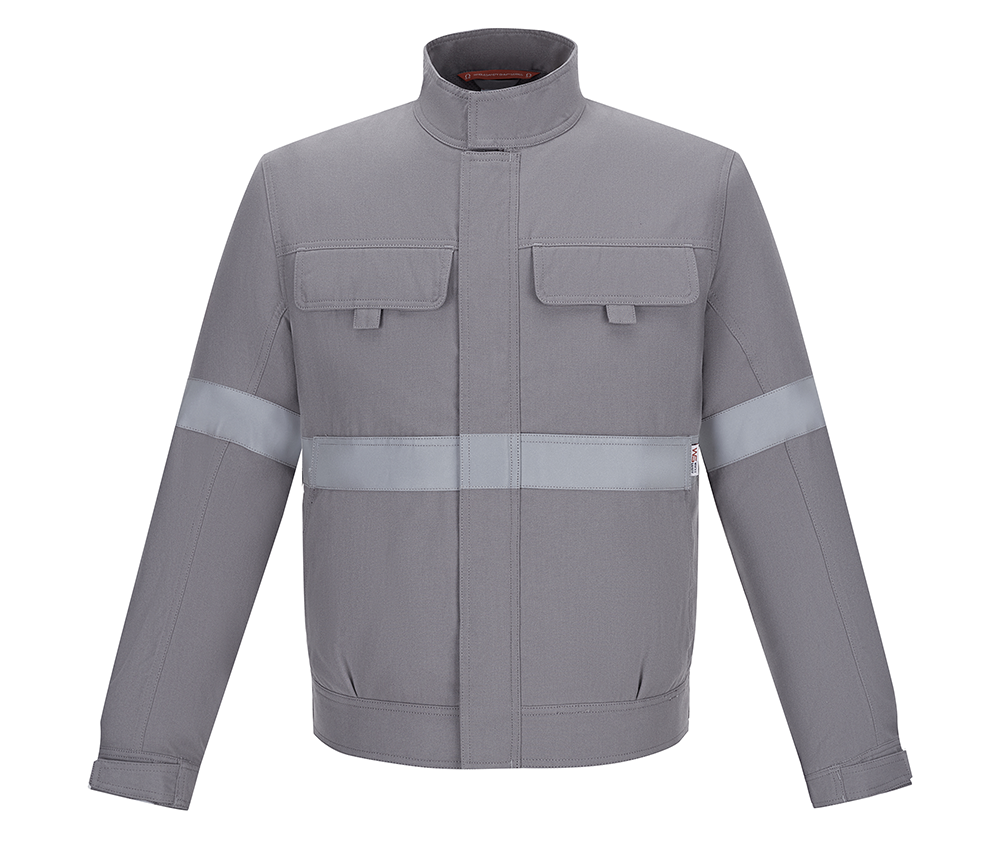
Assess Job-Specific Fire Hazards to Match Protection Level
Identifying Flash Fire, Arc Flash, and Molten Metal Risks
Different types of heat dangers mean workers need special fire resistant gear made just right for their job. Take flash fires for instance these sudden bursts of fire happen all the time in places like oil rigs and gas plants. The clothes workers wear must put themselves out fast after catching fire. Then there's arc flashes something totally different but just as dangerous. These electrical explosions can get super hot around 30 thousand degrees Fahrenheit! That's why fabric needs certain ratings called calories per square centimeter according to standards set by NFPA 70E. Foundry workers dealing with molten metal splashes need thick materials that won't soak up heat. Aluminized fabrics work best here since they stop heat from getting through and keep from breaking down over time. Recent research from 2023 showed pretty shocking results actually about seventy two percent of bad burn injuries happened because people were wearing protection that wasn't matched properly to what was happening around them. This really shows how critical it is to figure out exactly what kind of danger someone faces before picking their safety equipment.
Application Needs: Structural Firefighting, Wildland, and USAR Operations
- Structural firefighting: Requires garments with high Thermal Protective Performance (TPP) ratings exceeding 35, along with full encapsulation to defend against superheated steam and radiant heat.
- Wildland operations: Demand lightweight, breathable fabricsâsuch as FR-treated cotton blendsâthat support mobility and endurance during prolonged missions in remote areas.
- Urban Search and Rescue (USAR): Necessitates a blend of abrasion resistance, often achieved with inherent aramid fibers, and ergonomic design for maneuverability in confined or unstable environments.
Balancing Protection and Mobility in High-Risk Work Environments
The best flame resistant clothing strikes that sweet spot between safety and freedom of movement, which helps workers avoid heat stress on the job. According to recent OSHA figures from 2023, gear rated with an ATPV over 8 calories per square centimeter cuts the chance of getting second degree burns down by nearly 90% when working around electricity. Look for design details like those articulated knee sections that make bending and crouching so much easier, often giving workers about 40% better range of motion. Some suits also feature stretch panels built right in, making it possible to reach overhead without straining during utility work. Don't forget the importance of breathable base layers either. These moisture wicking materials actually drop core temperatures somewhere between 3 and 5 degrees Celsius after extended periods of activity, something absolutely essential for folks working in super hot environments such as chemical processing facilities where heat exhaustion is always a concern.
Compare Flame Retardant Clothing Materials: Inherent vs. Treated Fabrics
Performance of Aramids, PBI, and Flame Retardant Treated Cotton
Materials that are inherently flame resistant, like aramid fibers including Nomex and Kevlar, plus stuff like Polybenzimidazole (PBI), offer lasting protection because their molecules just don't catch fire easily. These materials keep working properly even after going through hundreds of industrial washes without losing their properties. On the flip side, regular cotton that's been treated with flame retardants depends on chemical coatings that start breaking down after about 25 to 50 washes. As these coatings wear off, the fabric becomes less effective at protecting against flames over time. For jobs where workers face serious fire risks and need gear that lasts for years, inherent fabrics make much more sense. Treated cotton might work okay for temporary assignments or situations where exposure to heat is minimal, but it won't stand up to constant use in dangerous environments.
Key Properties: Self-Extinguishing Capability and Thermal Protective Value (ATPV)
When looking at how well protective gear performs, two key factors stand out: how quickly it stops burning after the flame goes away, and what's called ATPV. Natural fibers like those made from inherent materials usually stop burning within about 2 seconds once the fire source is gone. Treated fabrics tell a different story though they might keep charring or even melting after contact with flames. The ATPV rating basically tells us how good a material is at stopping heat from getting through. Materials such as aramid and PBI generally score above 40 calories per square centimeter, which puts them light years ahead of treated cotton that typically lands somewhere between 8 and 12 calories per square centimeter. This matters because higher ATPV numbers mean workers have more time to get clear during sudden flashes of fire, making survival chances better. When companies choose their materials based on these characteristics, they're setting themselves up for real protection when working in places where fires can break out unexpectedly.
Verify Compliance with Fire Retardant Garment Safety Standards
NFPA 2112, ASTM F1506, and ISO 11612: Scope and Certification Requirements
Certified FR garments are essential for ensuring workplace safety. Key standards include:
- NFPA 2112: Sets requirements for flash fire protection in industrial settings, mandating third-party certification (e.g., UL) and passing rigorous vertical flame tests.
- ASTM F1506: Applies to electrical workers, requiring arc-rated labeling and traceable compliance for arc flash protection.
-
ISO 11612: Provides international benchmarks for resistance to heat, flame, and thermal insulation, including dimensional stability after exposure.
To maintain compliance, garments must pass standardized evaluations such as thermal protective performance (TPP) and post-laundering char-length testing. Always verify independent certification marks to ensure garments meet genuine safety and performance criteria.
Prioritize Wearability: Comfort, Fit, and Thermal Stress Reduction
Managing Heat Stress with Lightweight, Breathable Fire Retardant Garments
Worker safety takes a real hit when dealing with heat stress, and research indicates cognitive abilities drop about 30% after being exposed for too long. The latest flame resistant clothing tackles this problem with better breathability features. These modern work clothes have moisture wicking materials that pull sweat off the body, plus lighter fabric constructions that let air circulate more freely around the wearer. What this means is workers stay cooler without compromising on their protection against flames. Stretch panels built into ergonomic designs help cut down on heat accumulation because they reduce rubbing points and allow people to move naturally throughout their jobs. Getting the right fit matters too since loose areas between the garment and body can actually trap heat instead of letting it escape. A well fitting suit stays where it needs to be even when someone is moving around constantly, which makes all the difference in terms of how comfortable they feel and how safe they remain on the job site.
Ensure Long-Term Durability and Proper Maintenance of Fire Retardant Clothing
Care, Abrasion Resistance, and Service Life of Flame Retardant Garments
To keep protective gear working properly over time, regular maintenance just cant be ignored. Workers need to stick closely to what manufacturers recommend. Bleach and those fabric softeners found in many homes actually weaken the fire resistant qualities of the clothing. When dealing with really rough conditions where there's constant rubbing against surfaces, special reinforced materials become essential for keeping the garment intact despite all that friction. Looking at the gear regularly makes sense too. Check for spots where the material has thinned out or where seams might be coming apart. Most flame resistant clothes last somewhere between one and two years based on how much they get used, but when something gets dirty with oil or shows visible damage, it needs replacing right away. Sending these items through professional laundry services helps maintain those important chemical coatings while getting rid of any flammable residue that builds up. Anyone serious about long lasting protection should go for clothing certified both under NFPA 2112 standards and ISO 11612 requirements. This double check guarantees better heat resistance and means the gear will hold up longer before needing replacement.
FAQ
What are flash fire and arc flash risks?
Flash fires are sudden bursts of flame, common in oil rigs and gas plants, requiring clothing that extinguishes quickly. Arc flashes are extremely hot electrical explosions needing fabric rated by standards like NFPA 70E.
How are protective clothing materials different?
Inherent flame resistant materials, like aramid fibers, offer long-lasting protection that remains effective after many washes. Treated cotton relies on coatings that degrade over time, making it suitable for temporary use.
Why is ATPV important in flame retardant clothing?
ATPV rating measures a material's ability to stop heat transfer. Higher values mean more effective protection, allowing workers more time to escape fire incidents.
What standards should fire retardant clothing comply with?
Key standards include NFPA 2112, ASTM F1506, and ISO 11612, ensuring garments meet safety and performance criteria via tests like thermal protective performance and char-length evaluation.
Table of Contents
- Assess Job-Specific Fire Hazards to Match Protection Level
- Compare Flame Retardant Clothing Materials: Inherent vs. Treated Fabrics
- Verify Compliance with Fire Retardant Garment Safety Standards
- Prioritize Wearability: Comfort, Fit, and Thermal Stress Reduction
- Ensure Long-Term Durability and Proper Maintenance of Fire Retardant Clothing
- FAQ