 EN
EN

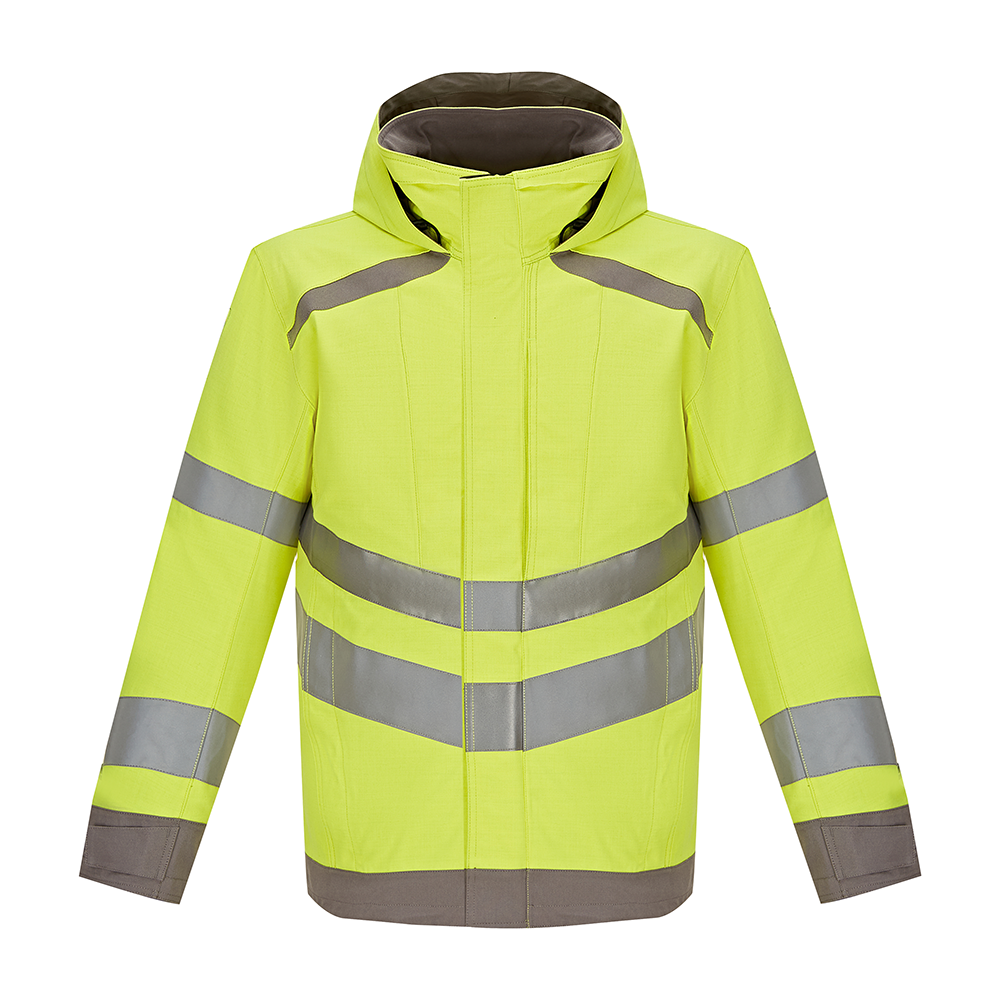
Thermal Protection: Ignition Resistance, Self-Extinguishing, and Insulation Performance
How inherent flame resistance prevents ignition in flash fire and arc flash scenarios
Flame resistant materials work differently from regular fabrics because they form a protective layer when subjected to intense heat situations. Think about what happens during flash fires that can hit over 1800 degrees Fahrenheit or those dangerous arc flashes sometimes reaching an incredible 35,000 degrees. These special fibers like meta aramids start to carbonize around 800 degrees Fahrenheit instead of melting away. What this means practically is that oxygen gets blocked off and the skin stays protected from burning hot surfaces. Workers in places such as oil rigs or gas plants need this kind of protection where every second counts during emergencies. Another big advantage worth mentioning is how these materials keep performing well even after many washes in industrial settings without needing any additional treatments applied.
Self-extinguishing behavior: NFPA 2112 and ISO 11612 requirements (afterflame ≤2 sec, afterglow ≤5 sec)
The ability of protective clothing to put itself out after exposure to flames isn't something that can be ignored when it comes to avoiding further burns. Standards like NFPA 2112 for flash fires and ISO 11612 covering multiple hazards set clear requirements. Garments must stop burning within just two seconds once removed from the flame, and any glowing embers should go away completely within five seconds. These tests are done using standard vertical flame methods in labs. When fabrics meet these specs, they basically stop burning right away after the fire source is gone, which prevents what could otherwise become a dangerous situation where the clothing itself becomes part of the problem. Getting third party approval on this stuff is absolutely required nowadays. Research published last year in the Journal of Fire Sciences found that workers wearing certified flame resistant jackets had significantly less severe burns than those without proper protection, around 60% reduction in injury severity according to their findings.
Thermal Protective Performance (TPP) scores and their correlation to second-degree burn thresholds
Thermal Protective Performance (TPP) measures insulation efficacy under controlled convective and radiant heat exposure. The score predicts time-to-second-degree-burn at a standard heat flux of 2 cal/cm²/sec:
- TPP 20–25: 6–8 seconds of protection
- TPP 35+: 12+ seconds before burn onset
Since typical flash fires deliver 1.8–3.0 cal/cm²/sec, a TPP 35 jacket offers ~50% longer protection than minimum-rated gear. This metric enables safety professionals to match FR jacket performance precisely to site-specific hazard levels—especially vital in petrochemical settings where every second of thermal protection directly influences survival outcomes.
Regulatory Compliance: Key Standards Driving FR Jacket Design and Certification
NFPA 2112 (industrial flash fire), ASTM F1506 (electrical arc), and ISO 11612 (multi-hazard): coverage, seam strength, and fastening requirements
Three main standards NFPA 2112, ASTM F1506, and ISO 11612 set different yet related performance targets that together influence how flame resistant jackets are designed today. The NFPA 2112 standard specifically looks at survival during flash fires, which means fabrics need to stop burning on their own, limit shrinking to under 10%, and resist transferring heat effectively. For electrical arc protection, ASTM F1506 sets requirements like minimum ATPV ratings such as 8 cal/cm² for what they call Class 2 protection, plus passing those vertical flame tests we all know about. ISO 11612 takes a wider approach covering things like heat from convection, radiation, and even splashes of molten metal. When it comes to physical strength, these standards demand serious durability too. Seams have to hold at least 325 Newtons of force, while fastenings like snaps and Velcro need to stay fully covered when someone moves around in them. Third party labs actually test whether gear meets these specs, and there's good reason for that strictness. According to a study published in the Journal of Occupational Safety last year, equipment that doesn't meet these standards is responsible for nearly 4 out of every 10 thermal injuries that could otherwise be prevented.
| Standard | Primary Hazard | Key Certification Tests |
|---|---|---|
| NFPA 2112 | Industrial flash fire | Afterflame duration, thermal shrinkage |
| ASTM F1506 | Electrical arc | ATPV rating, vertical flame test |
| ISO 11612 | Multi-hazard | Heat transfer, molten metal spray |
Wearability and Human Factors: Mobility, Breathability, and Ergonomic Fit in Modern FR Jackets
Today's FR jackets focus on comfort without sacrificing safety features. The way they're cut allows for better movement when workers need to climb around, handle gear, or get out fast in emergencies. Fabrics that stretch plus extra room in the underarms make all the difference. Moisture moves away from the body thanks to special membranes inside, and there are vents placed just right so people don't overheat even in hot conditions. These jackets still meet those important NFPA standards too. Workers won't bulk up as much, which means fewer snags during long shifts and less tired feeling after hours on the job. Fewer seams also means no rubbing spots that drive people crazy. All these little improvements mean firefighters actually wear their protective gear consistently throughout their workday instead of taking it off because it feels uncomfortable.
FAQ
What is the significance of inherent flame resistance in FR jackets?
Inherent flame resistance in FR jackets prevents the jacket from igniting during flash fires or arc flashes. This feature helps block oxygen, preventing skin contact with extreme heat and allowing continuous protection even after multiple industrial washes.
Why is self-extinguishing behavior important in fire-resistant clothing?
Self-extinguishing behavior ensures that the clothing stops burning once the flame is removed, reducing further burn hazards. Compliance with standards like NFPA 2112 and ISO 11612 ensures that clothing adheres to these requirements.
How are TPP scores relevant to FR clothing?
TPP scores predict how long an FR garment can provide insulation before a second-degree burn occurs. Scores correlate with the level of protection, with higher scores indicating prolonged protection, especially in high-risk environments.
What standards govern the design and certification of FR jackets?
NFPA 2112, ASTM F1506, and ISO 11612 are the main standards that define the design and certification requirements. They address factors such as hazard coverage, seam strength, and fastenings, ensuring the safety and effectiveness of the jackets.