 EN
EN

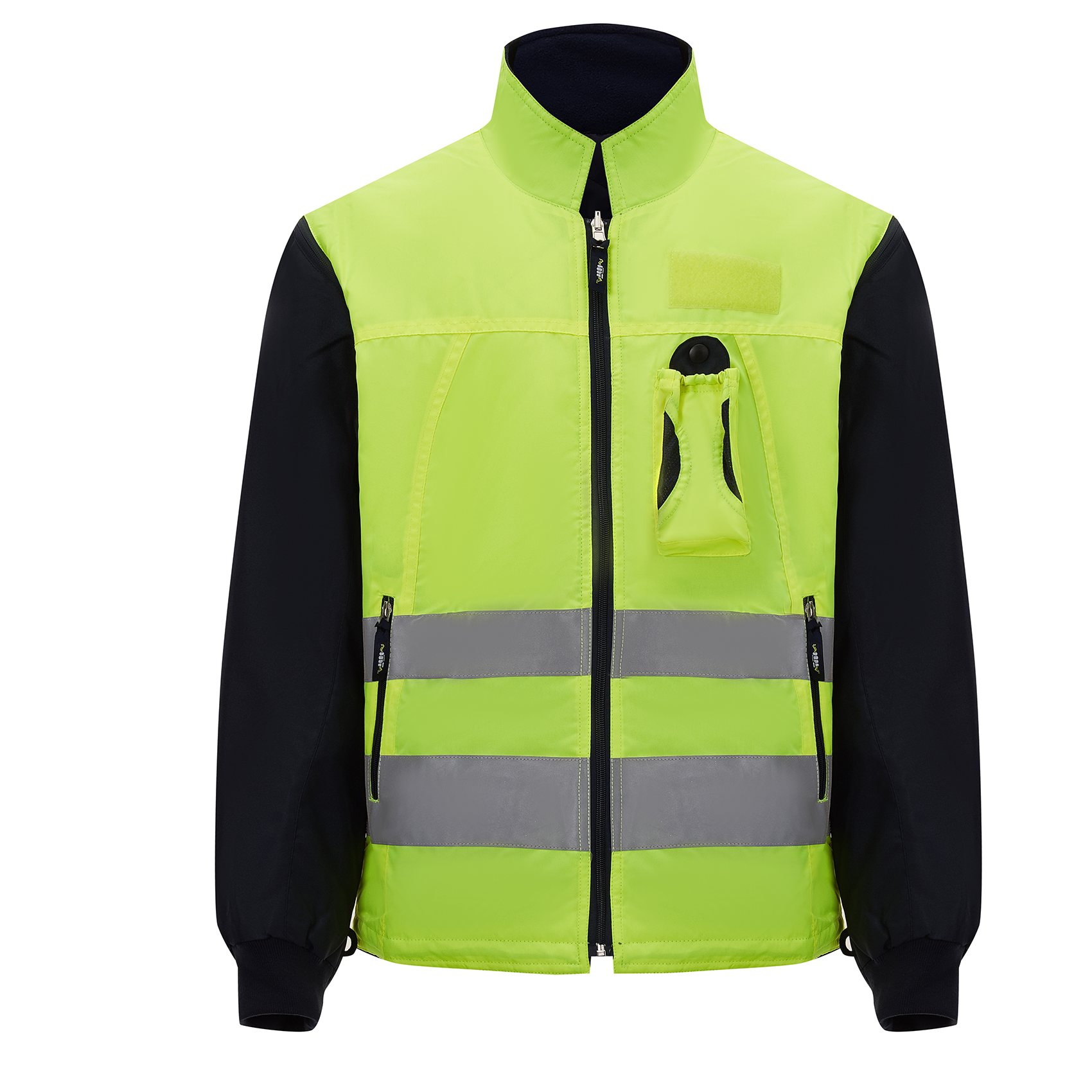
OSHA Regulations and Employer Responsibilities for PPE Garments
OSHA PPE Requirements for Employers and Hazard Assessment Duties
OSHA rules require employers to do hazard assessments that get written down so they can spot workplace dangers where PPE is needed. When these checks happen, they figure out what kind of protection workers need, whether it's stuff that resists chemicals or clothing that stands up to flames, depending on what specific risks exist in the workplace. The employer has to supply all the certified PPE equipment without charging employees for it. They also need to follow standards such as OSHA's 1910.132(f) regulation. This means making sure workers know how to properly use their gear, understand what the equipment can't do, and learn basic maintenance tips to keep everything working right over time.
Compliance with OSHA Standards in PPE Selection and Implementation
When choosing personal protective equipment that meets OSHA requirements, workers need to match their gear to the actual risks present in their jobs as well as follow those ANSI/ISEA performance standards. Take eye protection for instance it needs to be up to Z87.1-2015 specs, and anyone working around flames should wear clothes that comply with NFPA 2112 guidelines. Companies also need good policies in place for replacing broken or worn out equipment. And let's not forget about making sure all the different pieces work together properly. A common issue we see is when respirators don't sit right underneath protective hoods, which defeats the whole purpose of wearing them in the first place.
OSHA Guidelines on PPE Design, Fit, and Workplace Adaptability
The effectiveness of proper PPE really comes down to how well it fits the body. According to recent data from the Bureau of Labor Statistics in 2023, workers wearing ill-fitting protective equipment face up to 70% higher risk of injuries. The new OSHA guidelines for construction sites now stress several important factors when selecting gear. Adjustable harnesses make all the difference, especially since one size definitely doesn't fit everyone. Manufacturers are starting to offer different sizes for men and women too, which makes sense given the varied body types across modern workforces. Breathable materials have become another priority point for keeping workers comfortable during long shifts. Before turning to PPE solutions, smart employers know they need to tackle workplace hazards at their source whenever possible. That means doing regular fit tests for essential safety equipment like fall protection gear becomes absolutely necessary. Training shouldn't just cover basic usage either. Workers need to learn how to adjust their gear when working in tight spaces or dealing with heat extremes that can affect comfort and performance throughout the day.
Industry-Specific PPE Garment Standards and Key Applications
PPE for Construction: Protection Against Falls, Debris, and Electrical Hazards
The folks working on construction sites deal with all sorts of dangers that call for specific protective gear. Safety rules set by OSHA require workers to wear hard hats that meet certain standards (ANSI Z89.1 to be exact) for head protection. Cut resistant sleeves help keep hands safe, and sturdy boots with extra reinforcement protect feet from falling debris. When dealing with electricity, workers need special clothing rated against arcs and gloves that can handle different voltage levels. Falls remain a major concern on job sites. Proper fall protection systems like harnesses that comply with ANSI Z359 standards have saved countless lives. According to Bureau of Labor Statistics numbers from last year, around 36% of all construction worker fatalities happened because of falls from heights.
Manufacturing PPE Needs: Full-Body Protection in High-Risk Mechanical Environments
Working around high speed machines and handling heavy materials means workers need protection from head to toe. The basics include flame resistant coveralls, eye protection that can withstand impacts, and steel toe boots designed to handle compression dangers. According to recent studies on PPE standards from 2024, nearly four out of five injuries related to machinery might have been avoided if employees had worn well fitting sleeves and clothing that prevents static buildup. Companies should ensure their staff has access to workwear compatible with lockout/tagout procedures too since loose fabric or improperly designed garments can get caught in moving parts, creating serious entanglement hazards during maintenance tasks.
Healthcare PPE: Infection Control, Fluid Resistance, and Disposable Garments
Gowns that meet the ASTM F3352 standard are designed to stop bloodborne pathogens from getting through, and those N95 masks approved by NIOSH will catch around 95 percent of what's floating in the air. Most hospitals rely on disposable personal protective equipment these days. According to some recent data from the CDC back in 2023, about ninety two out of every hundred medical facilities use gloves and gowns just once before tossing them away to keep things from spreading between patients. Looking at newer stuff coming out now, there are surgical hoods that come with built in face shields already attached, which saves time during procedures. Some scrubs have been treated with special coatings that fight off nasty bugs like MRSA and C. difficile too, though how effective they really are still needs more testing in real world conditions.
Oil and Gas Industry PPE: Flame Resistant Clothing for Explosive and Extreme Conditions
For oil and gas workers dealing with flash fires and exposure to hydrocarbons, wearing NFPA 2113 certified flame resistant clothing just isn't optional anymore. The best protection comes from multi layer outfits that start with moisture wicking undergarments and finish with outer shells rated against electrical arcs. When things get really hot around emergency well operations, workers need those special aluminized proximity suits that can handle extreme conditions. According to some recent field data from last year, when FR gear stays in good condition, people who suffer burns actually experience about half the severity compared to those without proper protection during these dangerous ignition incidents.
Comparing PPE Standards Across Sectors: Construction, General Industry, and Maritime
| Sector | Primary Hazards | Key PPE Standards |
|---|---|---|
| Construction | Falls, debris | ANSI Z89.1, OSHA 1926 Subpart M |
| General Industry | Chemical exposure | OSHA 1910.132, ASTM F739 |
| Maritime | Hypothermia, immersion | ISO 15027, SOLAS Chapter XI |
Maritime workers require insulated immersion suits with SOLAS certification, while general industry prioritizes chemical-resistant aprons and emergency eyewash stations. Construction uniquely integrates fall arrest systems into its PPE protocols.
## Flame Resistant (FR) Clothing Standards and Real-World Compliance

### NFPA 2112: Performance, Certification, and Testing Requirements for FR Garments
The NFPA 2112 standard defines rigorous testing protocols for flame-resistant (FR) garments, ensuring materials self-extinguish within 2 seconds after flame exposure (NFPA 2023). This includes vertical flame tests, thermal stability evaluations, and heat transfer performance measurements. Garments meeting NFPA 2112 reduce burn injury risks by 50% in flash fire scenarios compared to non-compliant alternatives (Ponemon 2022). Third-party certification bodies like UL Solutions validate compliance through annual audits of manufacturing processes and material integrity.

### NFPA 2113: Selecting, Maintaining, and Using FR Clothing Safely
NFPA 2113 provides actionable guidelines for employers to implement FR programs effectively. Key requirements include conducting workplace hazard assessments to identify flame/thermal exposure levels, establishing inspection protocols for damaged seams or compromised fabric integrity, and training workers on proper donning/doffing techniques to minimize skin exposure. A 2023 study found organizations adhering to NFPA 2113 guidelines experienced 33% fewer PPE-related incidents in oil and gas operations (Journal of Occupational Safety).

### Impact of Poorly Fitting PPE on Worker Safety and FR Garment Effectiveness
Ill-fitting FR clothing creates dangerous gaps where flames can penetrate, increasing second-degree burn risks by 40% (ASTM 2021). Common issues include sleeves riding up during overhead tasks, excess fabric catching machinery, and collars failing to seal against neck exposure. Standardized sizing charts from ASTM F1154 help employers match body measurements to garment dimensions while accommodating layering systems.

### Bridging the Gap: Challenges in Aligning NFPA Standards with Field-Level PPE Use
Despite clear NFPA requirements, 29% of safety managers report inconsistent FR garment use in high-risk environments (NSC 2023). Barriers include heat stress concerns driving unauthorized PPE removal, cost constraints delaying replacement of expired gear, and lack of multilingual training materials for diverse workforces. Proactive solutions like moisture-wicking FR fabrics and multilingual QR-code maintenance guides are helping close compliance gaps.
Selecting the Right PPE Garments Based on Hazard Type and Fit
Matching PPE to Specific Hazards: From Chemical Exposure to Physical Risks
Choosing the right PPE garments starts with looking at all the potential dangers in the workplace according to OSHA regulations (specifically 29 CFR 1910.132(d)). This means spotting everything from chemicals splashing around to possible impacts during daily operations. When dealing with chemicals, workers need gear that passes ASTM F739 tests for how well it resists chemical penetration. For cuts and abrasions, materials must meet ANSI/ISEA 105 standards which measure actual performance against sharp objects. The whole point is to match protection levels to what's actually happening on the job site. Someone working near electrical equipment needs different protection than someone handling biohazards or grinding materials all day long. A good safety manager knows this isn't just about following rules but making sure people stay safe no matter what their specific tasks involve.
Integrating Protective Clothing with Other PPE: Head, Eye, and Respiratory Gear
Protective clothing must interface seamlessly with complementary equipment. Flame-resistant (FR) coveralls should accommodate respirator face seals without compromising FR properties, while chemical suits must integrate with goggles to prevent gaps. Ergonomic sleeve designs improve glove-to-jacket overlap, reducing exposure during dynamic tasks like welding or machinery operation.
Employer Duties in PPE Selection, Sizing, and Employee Training
Employers must provide size-inclusive PPE options, with OSHA emphasizing that proper fit directly impacts compliance and safety. Training programs should cover donning/doffing protocols, garment limitations, and inspection workflows. Regular fit assessments ensure equipment adapts to diverse body types, preventing restricted movement or accidental entanglement in industrial settings.
Maintaining PPE Garment Quality and Longevity Through Lifecycle Management
Inspection, Cleaning, and Replacement Protocols for Reliable PPE Performance
Keeping PPE in good shape requires regular inspections along with proper cleaning routines throughout its entire lifespan. According to research, companies that stick to inspection schedules and have clear disposal guidelines cut down on gear failures by around 40%, all while staying within OSHA regulations (specifically 29 CFR 1910.132). When it comes to flame resistant clothing, the NFPA 2113 standard actually requires checking every two weeks for things like rips, dirt buildup, or any signs that protective properties might be compromised. These routine checks tend to get skipped in places where staff turnover is high, which can lead to serious safety risks over time.
When companies take a proactive approach to maintenance, their personal protective equipment tends to last around 2 to 3 times longer than when they just replace things as problems arise. Looking at a study from 2023 that examined over 12 thousand pieces of safety clothing, researchers found something interesting about cleaning methods. The ones washed with alkaline based solutions kept their fabric strength about 18 percent stronger compared to regular laundry products. Still worth noting though, no matter how good the care routine is, there comes a point where it simply isn't enough anymore. Most professionals in the field suggest pulling out the chemical resistant gear once it hits about fifty uses or starts showing signs of wear and tear, whichever happens sooner.
Building an Effective PPE Program: Tracking Use, Wear, and Compliance
Mature PPE programs combine digital inventory systems with workforce training to close safety gaps. Manufacturers using barcode-tagged garments report 92% accuracy in tracking expiration dates versus 67% in manual systems. Cross-functional audits further strengthen compliance—teams conducting quarterly PPE condition assessments achieve 30% fewer safety incidents than annual review cycles.
The true measure of program success lies in adaptability. When a Midwestern refinery integrated worker feedback into its FR clothing replacement schedule, it reduced ill-fitting gear reports by 58% while maintaining NFPA 2112 compliance. This underscores the importance of aligning technical standards with human factors in PPE management.
FAQ
What does OSHA require for PPE hazard assessments?
OSHA mandates written hazard assessments to identify workplace dangers that necessitate PPE. Employers must then supply certified PPE equipment free of charge and ensure employees understand proper usage and maintenance.
How do employers select PPE according to OSHA standards?
Employers must select PPE matching actual job risks while adhering to ANSI/ISEA performance standards. Policies should support replacing broken or worn gear. Seamless integration of PPE pieces, such as respirators and protective hoods, is crucial.
What impacts does poor PPE fit have on safety?
Poor-fitting PPE increases injury risks by up to 70%. OSHA guidelines emphasize selecting gear with adjustable features to accommodate diverse body types and mitigate discomfort stemming from heat or tight spaces.
Which PPE standards apply to different industries?
Each industry has specific PPE standards: Construction adheres to ANSI Z89.1 and OSHA 1926 Subpart M, while General Industry focuses on OSHA 1910.132 and ASTM F739. Maritime workers require gear meeting ISO 15027 and SOLAS regulations.
How should PPE be maintained for long-term reliability?
Maintaining PPE quality involves regular inspections, appropriate cleaning routines, and timely replacements. Following NFPA 2113 guidelines, inspections every two weeks prevent compromised protective properties.
What methods enhance PPE program effectiveness?
Successful PPE programs integrate digital inventory systems with comprehensive worker training and feedback. Barcode-tagged garments enhance tracking accuracy, while dynamic audits reduce safety incidents.
Table of Contents
- OSHA Regulations and Employer Responsibilities for PPE Garments
-
Industry-Specific PPE Garment Standards and Key Applications
- PPE for Construction: Protection Against Falls, Debris, and Electrical Hazards
- Manufacturing PPE Needs: Full-Body Protection in High-Risk Mechanical Environments
- Healthcare PPE: Infection Control, Fluid Resistance, and Disposable Garments
- Oil and Gas Industry PPE: Flame Resistant Clothing for Explosive and Extreme Conditions
- Comparing PPE Standards Across Sectors: Construction, General Industry, and Maritime
- Selecting the Right PPE Garments Based on Hazard Type and Fit
- Maintaining PPE Garment Quality and Longevity Through Lifecycle Management
-
FAQ
- What does OSHA require for PPE hazard assessments?
- How do employers select PPE according to OSHA standards?
- What impacts does poor PPE fit have on safety?
- Which PPE standards apply to different industries?
- How should PPE be maintained for long-term reliability?
- What methods enhance PPE program effectiveness?