 EN
EN

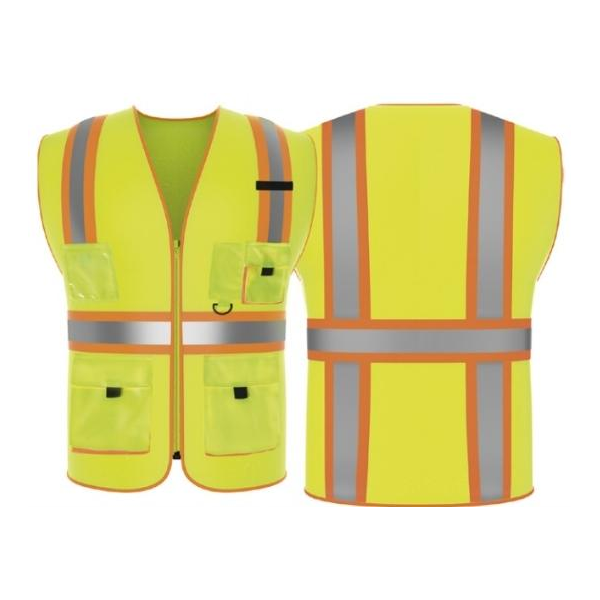
Understanding PPE Garments and Their Role in Workplace Safety
What Are PPE Garments and Why They Matter
Personal protective equipment or PPE garments serve as special clothing meant to protect workers against various job site dangers including fire, chemicals, and intense heat conditions. These aren't your regular work clothes though they go through strict tests to comply with international safety regulations such as the ones set out in NFPA 2112 standards and also something called EN ISO 11611. Take flame resistant materials for example they need to stand up to direct contact with high temperatures without causing severe burns or additional damage to skin tissue. According to recent research published last year, companies that invest in properly certified protective gear saw their staff suffering much fewer burns overall about two thirds less than places where employees wore non-certified options instead.
The Evolving Demand for Reliable Protective Clothing
The oil and gas sector, along with electrical utilities and manufacturers, are starting to look at PPE differently these days. Workers want gear that actually works for them on the job, not just something that checks off boxes. A recent survey found that almost four out of five workers put breathability and freedom of movement right at the top of their list when picking out protective clothing. That's quite a change from what used to be all about meeting minimum safety requirements. Companies are responding with innovations like lighter weight flame resistant materials and better fitting designs that still pass the necessary tests like ASTM F1506 standards. What we're seeing now is people looking beyond those little certification stickers and wanting actual proof through comprehensive testing data to know how well their gear will perform in real working conditions.
Key PPE Standards and the Certification Framework
Major Global Standards Governing PPE Garments
There are global standards in place to make sure personal protective equipment actually meets basic safety needs across different industries. Take ISO 45001 from 2018 for instance, it sets out how companies should manage workplace health and safety issues, and has been implemented in around 70 countries worldwide. Meanwhile over in Europe, their CE marking system sorts protective gear into three distinct risk levels labeled I through III depending on how dangerous the potential hazards might be according to Compliance Gate research from last year. When we look at North America specifically, OSHA handles enforcement of employer duties outlined in regulation 29 CFR 1910 Subpart I. The American National Standards Institute also plays a role here with standards like Z87.1 which lays down what counts as acceptable performance when it comes to protecting eyes and faces. Many developing economies are now starting to follow European norms too, particularly EN 13688 from 2013 that deals with garment durability testing, plus EN 1149-5 which addresses concerns about static electricity buildup during use.
Role of Regulatory Bodies in Enforcing PPE Certification
Groups such as EU-OSHA and the UK's Health and Safety Executive (HSE) regularly check certification organizations to stop faulty protective equipment from getting into the market. When we talk about really dangerous stuff in Category III equipment, like those special suits worn during electrical arcs or when handling hazardous chemicals, independent testing becomes absolutely necessary. The European Union has strict rules requiring official third parties to oversee the CE marking process for things like breathing apparatus and harnesses that protect against falls. Companies caught making false statements about their products can face fines reaching half a million euros. Over in the US, OSHA inspectors show up unannounced at workplaces to make sure employees are actually wearing the right kind of protection as required by law.
Voluntary vs. Mandatory Certification: Industry Implications
OSHA and CE certifications are mandatory where they apply, but many companies go the extra mile with voluntary standards like NFPA 2113 when choosing flame resistant clothing. Industries in aerospace and petrochemical fields frequently opt for double certification combinations such as EN 11612 plus NFPA 2112 to work across borders without issues. Of course, getting both certifications does cost more money upfront typically around 15 to maybe even 30 percent higher procurement expenses. The real world results speak for themselves though. Workplaces that invest in this voluntary PPE certification report seeing about 40 something percent fewer burn injuries than places sticking strictly to what's legally required. Makes sense really, since safety isn't just about checking boxes.
Critical Testing Procedures for Thermal and Heat Protection
FR Clothing Testing Procedures: Evaluating Flame Resistance
Certifying flame resistant clothing involves two main methods: vertical flame testing according to ASTM D 6413 standards and Thermal Protective Performance (TPP) assessments. These tests recreate real world flash fire scenarios by applying controlled heat at around 84 kW per square meter while tracking how much heat transfers through materials and how long before second degree burns would occur. At places like NC State's TPACC laboratory, they actually use mannequins equipped with sensors to see how fabrics hold up when exposed to heat flux levels between 2 to 4 calories per square centimeter. This kind of testing becomes especially important for workers in high risk environments such as oil refineries and power plants, where potential arc flashes can reach dangerous levels above 40 cal/cm² according to the latest NFPA 70E guidelines from 2023. Understanding these metrics helps ensure proper protection against workplace hazards that many people might not even realize exist until it's too late.
NFPA 2112 and EN 11612: Comparing Flash Fire and Heat Protection Standards
NFPA 2112 focuses on synthetic flash fire protection (3-second, 84 kW/m² exposure), whereas EN 11612 addresses broader industrial heat hazards through five test categories:
| Test Type | NFPA 2112 | EN 11612 |
|---|---|---|
| Convective Heat | Required | Optional (Code B) |
| Radiant Heat | Not Assessed | Required (Code C) |
| Contact Heat | Excluded | Required (Code D) |
NFPA-certified garments reduce burn injury risk by 50% in petrochemical fire simulations (UL 2022), while EN 11612’s multi-hazard approach better suits foundries and glass manufacturing.
Convective, Radiant, and Contact Heat Resistance Testing Methods
- Convective: ASTM F1930 manikin tests measure body burn percentage during propane-fueled flash fires
- Radiant: ASTM F1939 applies 80 kW/m² radiation to calculate transmitted energy (kW·s/m²)
- Contact: ASTM F1060 evaluates fabric insulation against 500°C surfaces
These layered assessments identify vulnerabilities—such as seams losing 30% strength after radiant exposure (UL 2023)—that generic certifications may overlook.
HTP and HTI Metrics: Measuring Real-World Thermal Performance
Heat Transfer Performance (HTP) and Heat Transfer Index (HTI) quantify how effectively materials delay dangerous heat penetration:
- HTP: Measures seconds until fabric interior reaches 24°C above ambient during 80 kW/m² exposure
- HTI: Predicts time until 50% body burn risk under combined radiant/convective testing
A 2023 TPACC study found garments with HTI > 15 reduced arc flash injuries by 72% compared to baseline PPE, confirming the predictive value of these metrics for safety planning.
Using Test Data to Make Informed PPE Selection Decisions
Beyond Pass/Fail: The Importance of Detailed Test Results in PPE Selection
Modern safety programs require more than binary certification labels. A garment meeting NFPA 2112’s 50-wash flame resistance threshold might degrade significantly faster under chemical exposure (NFPA 2023). Leading teams now demand granular data including:
- Radiant and convective heat transfer rates (e.g., 1.2 cal/cm² vs. 0.8 cal/cm² thresholds)
- Tensile strength retention after 100 industrial wash cycles
- Seam integrity under mechanical stress
Such insights prevent mismatches—like using flash fire-rated gear for sustained radiant heat tasks. A 2023 SafetyStratus analysis found plants using full-spectrum test data reduced PPE-related incidents by 38%.
Interpreting Full-Spectrum Performance Data for Operational Safety
| Test Parameter | Arc Flash PPE (IEEE 1584) | Chemical PPE (EN 14325) |
|---|---|---|
| Critical Failure Point | 3.8 cal/cm² exposure | 8-hour permeation |
| Maintenance Trigger | 15% strength loss | 5% seam deformation |
This standardized matrix supports predictive maintenance. For example, moisture-wicking fabrics may retain 97% breathability at 60°C but drop to 82% in humid 45°C environments—a nuance traditional certifications miss.
Digital Integration: How Test Data Is Shaping Modern PPE Management
Cloud-based systems now generate dynamic PPE profiles tracking:
- Real-time sensor data on garment aging
- Wash cycle performance benchmarks
- Incident-specific protection thresholds
A Leaf Electrical Safety study showed facilities using digital inventories reduced arc flash risks 27% faster than paper-based programs. Yet, 42% of organizations still lack integration between test data and workplace hazard maps—an ongoing challenge in high-risk environments.
Addressing the Limitations of General Certification Claims
The Risk of Overreliance on Certification Labels
While certifications do establish basic compliance standards, about 4 out of 10 safety pros have actually seen certified workwear fail when put to the test according to recent research from Ponemon Institute back in 2023. The NFPA 2112 label might look good on paper for flame resistance testing done in controlled environments, yet it simply doesn't account for what happens during long shifts where workers face continuous heat sources or come into contact with various chemicals throughout their day. Take ASTM F1506 compliance for arc flash protection as another case in point. Garments meeting these specs often fall short when it comes to resisting chemical penetration, which is absolutely critical for those working around fuels and solvents in refineries and chemical plants across the country.
Why Certified PPE Garments May Fail in Specific Conditions
Standardized tests often use narrow scenarios that don't mirror field conditions:
| Test Scenario | Field Conditions | Risk Gap |
|---|---|---|
| 3-second flash fire | 10+ seconds heat exposure | Material breakdown |
| Single chemical exposure | Mixed industrial contaminants | Permeation failures |
The 2024 PPE Industry Report revealed that 28% of certified FR garments failed when exposed to radiant heat above 15 kW/m²—a common level in foundry operations.
Adopting a Layered Evaluation Approach for Enhanced Protection
Top manufacturers combine certifications with:
- Job hazard analyses mapping thermal and chemical risks
- Supplemental testing (e.g., ASTM F2733 heat transfer simulations)
- End-user feedback systems tracking field performance
This layered strategy reduced heat-related injuries by 34% in high-risk industries (BLS 2022), demonstrating that certification alone cannot address the full scope of workplace hazards.
FAQ
What are PPE garments?
PPE garments are protective clothing designed to safeguard workers from job site hazards such as fire, chemicals, and high heat.
Why is certification important for PPE garments?
Certification ensures that PPE garments meet established safety standards and provide effective protection under specific conditions.
What is the difference between NFPA 2112 and EN 11612 standards?
NFPA 2112 focuses on flash fire protection, while EN 11612 addresses a broader range of industrial heat hazards.
How do companies use test data for PPE selection?
Companies use test data to assess the effectiveness of PPE garments and ensure they provide adequate protection for specific workplace hazards.