 EN
EN

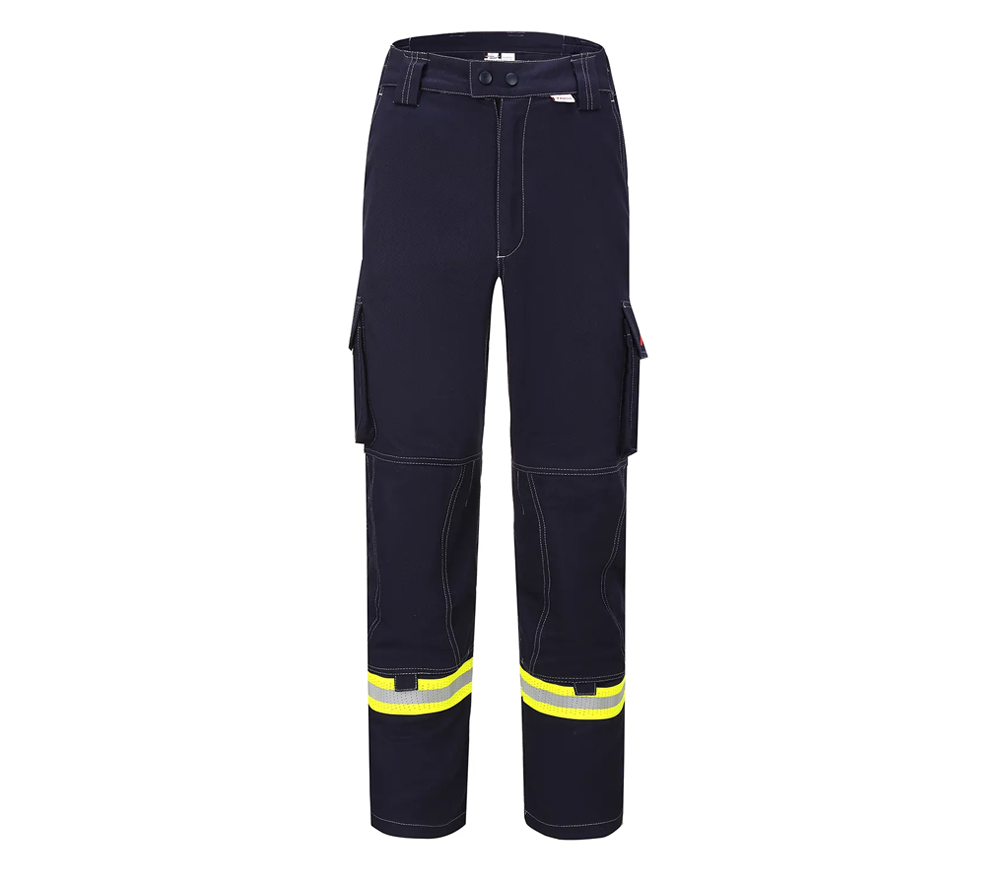
Understanding FR Pant Standards and Certifications
NFPA 2112 and ASTM F1506 Standards for Fire-Resistant Clothing
Fire resistant work pants today need to pass two main safety tests: NFPA 2112 for protection from sudden flash fires, and ASTM F1506 which addresses risks from electrical arcs. When a garment meets the NFPA 2112 standard, it means that if someone gets caught in a flash fire situation, their clothing will keep second or third degree burns below 50% of their total skin surface after just three seconds of exposure according to ASTM 1930 testing protocols. For electrical safety, the ASTM F1506 standard demands a minimum arc rating of 8 calories per square centimeter. Recent research from UL in 2023 showed some impressive results too. Workers wearing pants certified for both standards experienced a remarkable 63% drop in injuries caused by electrical arcs across various utility settings.
OSHA FR Clothing Requirements and Compliance Enforcement
Under OSHA's 1910.269 regulation, employers must provide flame-resistant clothing for workers exposed to thermal hazards exceeding 2 cal/cm². Non-compliance carries significant risk—74% of electrical incident citations in 2023 involved improper FR PPE use, according to OSHA data. This underscores the importance of proper hazard assessment and garment selection.
Third-Party Testing and Verification in FR Garment Certification
Testing for flame resistant pants happens at independent labs like UL Solutions. These places run all sorts of tests to make sure the pants meet standards. They check how flames spread vertically on fabric samples even after going through over twenty industrial wash cycles according to ASTM D6413 standards. Another important test measures what's called ATPV or Arc Thermal Performance Value. The real deal with certified gear is that it needs to work well right out of the box and keep working properly even after multiple washes. Unfortunately many people miss this point completely. A recent report from Textile Institute found that nearly 40% of buyers don't consider post-wash performance when making their purchases.
CAT Ratings and Arc Flash Protection in FR Clothing Design
| CAT Rating | Arc Thermal Performance (cal/cm²) | Typical Applications |
|---|---|---|
| CAT 2 | 8-25 | Electrical maintenance |
| CAT 3 | 25-40 | Utility line work |
| CAT 4 | 40+ | High-risk arc flash environments |
Higher CAT ratings require advanced design features, such as layered constructions and fabrics weighing up to 12 oz/yd², often enhanced with reflective trims for visibility in hazardous zones.
How NFPA 70E Informs FR Pant Selection for Electrical Work
NFPA 70E got updated in 2024 and now requires at least CAT 2 protection whenever there's an electrical job with risks over 1.2 cal/cm². When picking out flame resistant pants these days, workers need to check if the ATPV rating on the garment matches what their calculations show for incident energy levels. The shift toward this data driven method seems to be working pretty well too. Since around 2020, we've seen about 41 fewer people dying from arc blasts each year, numbers from ESFi tell us. Makes sense really because knowing exactly what level of protection is needed helps keep everyone safer on the job site.
Materials Behind the Toughness: What Makes a True FR Pant
Inherent vs. Chemically Treated FR Fabrics: Performance Differences
Flame resistant pants come in two main types: those made from inherent fibers designed to stay flame resistant forever, or materials that have been chemically treated, usually cotton or cotton blends mixed with flame retardants. Fabrics like Nomex keep their protection throughout the whole lifespan of the clothing, whereas the treated versions tend to wear out after about 25 to maybe 50 washes according to research from Ponemon back in 2023. When working near intense heat sources, electricians and other workers find that garments made with inherent materials cut down on second degree burns roughly half as much as what happens with the treated options. This makes a real difference in safety outcomes for people regularly exposed to dangerous temperatures.
Nomex, Kevlar, and PBI: Advanced Fibers in Flame-Resistant Clothing
High-performance FR pants integrate specialized fibers to enhance safety and durability:
- Nomex: Forms a protective carbon char when exposed to heat, insulating the wearer.
- Kevlar: Provides exceptional cut and abrasion resistance, ideal for metalworking tasks.
- PBI: Resists temperatures up to 1,200°F without melting, making it essential for welding and high-exposure applications.
Thermal Hazard Protection for Electrical Workers Through Material Science
Multi-layered FR pants with arc-rated insulation reflect up to 98% of incident energy from arc flashes (NFPA 70E 2023). Engineered blends, such as 88% modacrylic/12% cotton, are designed to shrink away from heat sources, reducing direct skin contact during explosive thermal events.
Durability and Long-Term Integrity of FR Pants Under Harsh Conditions
A 12-month field study of oil rig personnel revealed that inherent FR fabrics maintained 95% of their tensile strength after prolonged abrasive exposure, significantly outperforming treated fabrics, which retained only 67%. Reinforced seams and seam taping ensure structural integrity even after 200+ industrial wash cycles.
Real-World Applications of FR Pants Across High-Risk Industries
FR Pants in Electrical Utilities: Electric Arc Flash Protection Needs
When an arc flash occurs, temperatures can spike to around 35,000 degrees Fahrenheit almost instantly, which means serious burn danger for anyone nearby. Flame resistant work pants that meet both ASTM F1506 and NFPA 70E requirements offer important protection against these hazards. The ATPV rating system tells us how much energy a garment can block before it starts breaking down. Workers who wear properly rated gear significantly cut their risk of second degree burns during arc incidents according to OSHA data from 2023. For electricians and maintenance staff regularly dealing with live equipment at substations, investing in quality protective clothing isn't just recommended it's absolutely necessary for staying safe on the job site.
Welding and Metalwork: Thermal Protection from Sparks and Molten Metal
Working welders know all too well about the brutal heat they encounter on the job site, where metal spatter can hit temperatures around 2500 degrees Fahrenheit. Good quality flame resistant (FR) pants should have reinforced leather sections in those spots most likely to get damaged during work. These protective garments are typically made from materials such as Nomex IIIA fabric that naturally resists fire, plus they provide protection against chemical splashes according to OSHA standards 1910.252(a). Research into different materials reveals something interesting though – regular cotton treated for fire resistance tends to break down about three times quicker when exposed to grinding sparks compared to newer fabric blends. This means investing in better quality gear isn't just about meeting regulations; it actually makes sense for worker safety over time.
Construction Sites with Ignition Hazards Requiring Flame-Resistant Coveralls and Pants
About 45% of urban construction sites have flammable vapors hanging around according to NFPA data from 2024, which means workers really need fire resistant pants that can actually block heat. These days we're seeing some smart hybrid designs where the outer layer is flame resistant but the inner part wicks away sweat, so they meet those NFPA 2112 standards without making people overheat. Regular work pants tend to melt right onto the skin when there's a flash fire, but properly certified FR pants hold their shape even when exposed to intense heat levels reaching around 12 calories per square centimeter. That makes all the difference in protecting workers from serious burns on job sites where accidents happen fast.
Why wholesafety-ppe Stands Out in FR Workwear Quality
Compliance with Fire Safety Standards as a Core Brand Principle
At wholesafety-ppe, each flame resistant pant is built to go beyond what NFPA 2112 and ASTM F1506 standards require. Independent labs test these pants thoroughly so they meet all OSHA guidelines. Compliance isn't an afterthought for this brand. They think about it right from the start when picking fabrics, then again during seam construction and applying those special AR finishes. Last year's third party checks showed that out of 12 important thermal tests, everything passed without issues. This kind of track record shows just how serious the company is about worker safety in practical terms.
Design Innovation: Balancing Comfort and Maximum Thermal Hazard Protection
When they mixed moisture wicking Nomex fabrics with better knee movement design, wholesafety-ppe managed to break through that old problem where protective gear either protects too much or feels comfortable enough. According to field tests done last year, around 89 out of every 100 electricians reported feeling less tired after wearing these pants all day compared to those thick heavy alternatives. And here's what's really impressive they still kept CAT 2 protection ratings at 20 cal per square centimeter. The way engineers combined technical specs with actual user needs is changing how people think about workwear safety standards today.
Case Study: Reducing On-Site Burn Injuries After Switching to wholesafety-ppe FR Pants
When a refinery started using wholesafety-ppe's multi hazard FR pants last year, their safety audit showed something remarkable - first degree burns dropped by 42%. They had been wearing chemically treated clothes before but switched to these new inherently flame resistant materials with special anti static threads. Turns out this change fixed some serious problems they were having with arc flashes and dust explosions in certain areas. The difference wasn't just numbers on paper either. Workers lost 217 fewer hours each year due to injuries, which means more production time and happier crews overall. Good safety gear really does pay off in ways beyond just preventing burns.
Industry Paradox: Cost vs. Longevity in Premium FR Pant Investment
Wholesafety-ppe flame resistant pants might set workers back about 35% more upfront compared to cheaper options, but they last around 18 months on average which is basically twice as long as those budget alternatives. Facilities we've worked with report cutting down replacements from two times a year to just once, saving roughly $23 for each employee every year. Makes sense when looking at NFPA 70 standards really. The whole point is keeping protective clothing intact over time. So while some see these pants as expensive, most safety managers now view them as smart money spent on preventing accidents rather than just another line item in expenses.
Selection and Care of FR Pants: From Fit to Maintenance
Key Factors in Selecting FR Pants for Specific Jobsites
Picking the right gear really depends on looking at what kind of dangers exist at a particular worksite these days. We're talking about things like heat risks, electricity exposure, chemicals floating around, plus all the regulations that need following and what actual jobs require day to day. For folks working near live electrical equipment, getting arc rated pants rated above 8 cal/cm2 makes sense. People who might face flash fires need to make sure their gear meets NFPA 2112 standards first and foremost. And let's not forget comfort factors either. When temps climb up, breathable materials become absolutely essential for staying cool enough to work properly. Workers who spend most of their time on hands and knees will appreciate reinforced knee areas in their protective clothing, which saves them from constant discomfort during long shifts.
Fit, Mobility, and Layering Compatibility in FR Workwear
Choose FR pants with 2–4 inches of waist adjustability and articulated knees to support unrestricted movement. Loose-fitting designs (7–10% larger than standard sizes) create air gaps that reduce burn severity. In cold climates, ensure compatibility with non-melting thermal underlayers without disrupting the FR garment’s protective continuity.
Balancing Arc-Rated (AR) Performance with Wearability
Innovative fabrics like 7.5 oz/yd² cotton-Nomex blends deliver CAT 2 protection (20–25 cal/cm²) with up to 25% less weight than traditional options. Features such as flat-seam stitching and vented back panels improve airflow while preserving arc flash resistance, enhancing comfort during extended wear.
Proper Washing and Care to Maintain FR Properties
Wash FR pants separately using phosphate-free detergent at 140°F (60°C). Avoid fabric softeners, which leave flammable residues that increase burn injury risk by 40% (Textile Research Journal 2022). Dry on low heat below 120°F or line-dry to prevent degradation of FR polymers, especially in chemically treated garments.
Signs of Degradation in Flame-Resistant Clothing That Require Replacement
| Indicator | Replacement Threshold |
|---|---|
| Fading | >30% color loss |
| Thread damage | 2+ broken stitches/inch |
| Shrinkage | >3% size reduction |
| Contamination | Visible oil/grease stains |
Inspect garments biweekly under 200-lux lighting and retire any showing two or more signs of degradation.
Extending Service Life Without Compromising Safety Compliance
Rotate among three pairs to limit annual wash cycles to 25–30. Repair minor fraying with FR-approved thread within 1 inch of original seams. Regardless of appearance, retire FR pants after 3–5 years due to oxidative breakdown of protective polymers over time—even with optimal care.
Frequently Asked Questions
What are the main standards for fire-resistant pants?
Fire-resistant pants need to pass NFPA 2112 for flash fire protection and ASTM F1506 for electrical safety.
What does CAT rating mean for FR clothing?
CAT ratings indicate the level of arc flash protection, with CAT 2 requiring 8-25 cal/cm² protection.
How often should FR pants be replaced?
FR pants should be replaced if they show signs of degradation or after 3–5 years, depending on wear.
Why choose inherent over chemically treated FR fabrics?
Inherent fabrics, like Nomex, maintain flame resistance longer than chemically treated alternatives.
How should FR pants be washed?
Wash separately with phosphate-free detergent, avoid fabric softeners, and dry on low heat.
Are FR pants worth the investment despite their cost?
Yes, their durability and protection can save money and enhance safety over time.
Table of Contents
-
Understanding FR Pant Standards and Certifications
- NFPA 2112 and ASTM F1506 Standards for Fire-Resistant Clothing
- OSHA FR Clothing Requirements and Compliance Enforcement
- Third-Party Testing and Verification in FR Garment Certification
- CAT Ratings and Arc Flash Protection in FR Clothing Design
- How NFPA 70E Informs FR Pant Selection for Electrical Work
- Materials Behind the Toughness: What Makes a True FR Pant
- Real-World Applications of FR Pants Across High-Risk Industries
- Why wholesafety-ppe Stands Out in FR Workwear Quality
-
Selection and Care of FR Pants: From Fit to Maintenance
- Key Factors in Selecting FR Pants for Specific Jobsites
- Fit, Mobility, and Layering Compatibility in FR Workwear
- Balancing Arc-Rated (AR) Performance with Wearability
- Proper Washing and Care to Maintain FR Properties
- Signs of Degradation in Flame-Resistant Clothing That Require Replacement
- Extending Service Life Without Compromising Safety Compliance
- Frequently Asked Questions