 EN
EN

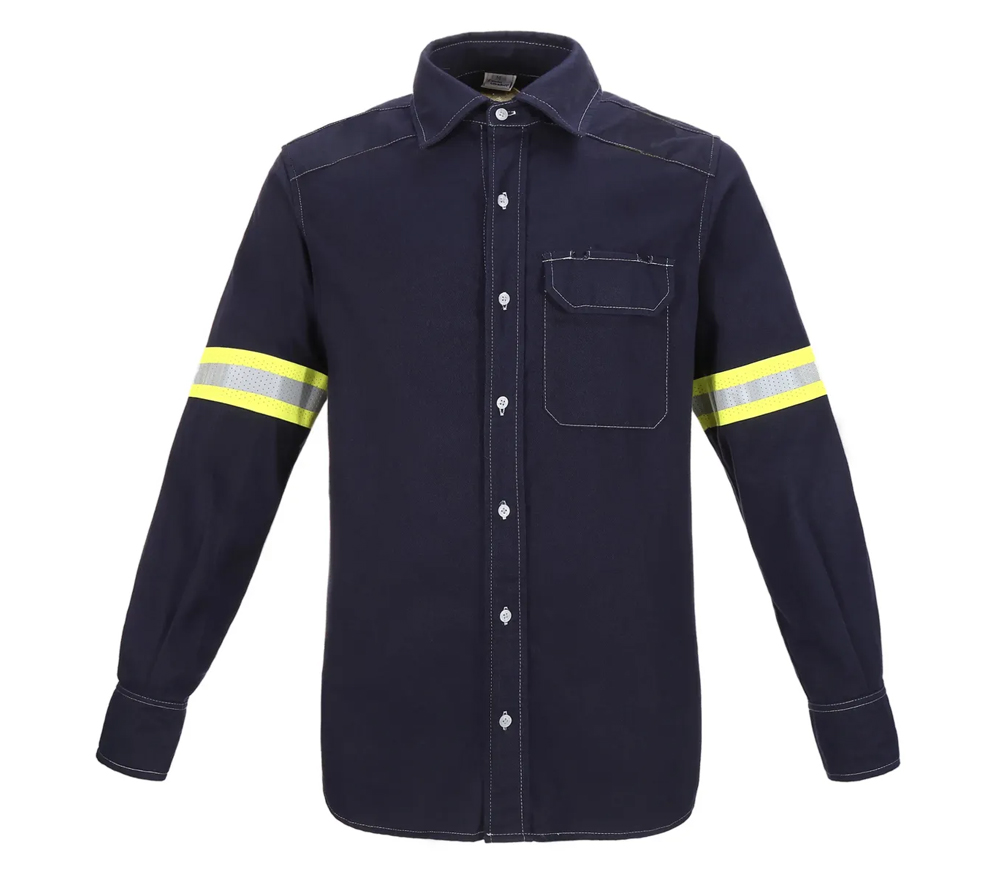
The Evolution of FR Jackets: From Functional Protection to Fashion-Forward Design
Flame-Resistant (FR) jackets have evolved from bulky, utilitarian garments into sleek, modern workwear that merges safety with style. This shift reflects changing workforce expectations, where employees demand protective gear that performs without compromising professionalism or comfort.
From Utility to Style: The Changing Expectations in FR Jacket Design
Back in the day, fire resistant jackets focused mostly on keeping workers warm with thick materials such as leather or layered cotton. The problem was these old style jackets made it really hard to move around, which is why so many people in sectors like oil rigs and refineries just didn't want to wear them. Nowadays though, younger workers are getting tired of looking like they stepped out of an industrial movie set. They want their protective gear to match what everyone else wears on the job site these days something with a slimmer fit, more muted colors, maybe even some parts that can be taken off or adjusted. According to a recent study from SafetyWear Insights last year, nearly 8 out of 10 workers below age 40 say they'd rather have flame resistant clothes that don't scream "I'm wearing safety gear." This shift shows how important looking good has become even when working in dangerous places where appearance used to take a back seat to function.
Balancing Safety Standards with Modern Aesthetics in FR Clothing
Today's manufacturers are dealing with two big problems at once they need to comply with those tough ASTM and NFPA regulations while also figuring out how to incorporate all these new design features such as tapered sleeves, stretchy panels, and those tricky hidden flame resistant zippers that nobody really notices until there's a problem. The good news is we've got better materials now too. Lightweight aramid blends combined with moisture wicking linings mean gear can be much thinner without compromising on arc flash protection levels. Take fire resistant jackets for instance. Many models on the market today actually meet Class 2 or even Class 3 visibility requirements because manufacturers have started weaving retro reflective trim directly into the seams instead of sticking on those old fashioned bulky strips that just hang around looking awkward.
Case Study: Traditional vs. Modern FR Jackets in North American Workforce Settings
| Feature | Traditional FR Jackets (Pre-2010) | Modern FR Jackets (2020s) |
|---|---|---|
| Material Weight | 2.1–2.8 lbs | 1.4–1.9 lbs |
| Breathability | Limited moisture control | Phase-change cooling tech |
| Compliance Rates | 62% (2008 industry average) | 89% (2023 industry avg) |
A 2023 field study across 12 U.S. oil refineries revealed facilities using modern FR jackets saw 31% fewer safety violations related to improper PPE use. Workers cited improved mobility and "feeling less like a safety billboard" as key drivers for consistent wear.
Innovative Flame Retardant Technology Behind wholesafety's FR Jacket
Advanced Flame-Resistant and Anti-Static Fabrics for Superior Protection
FR jackets these days come with fabrics that protect against both heat and static electricity, which is pretty important for folks working around oil rigs, power plants, and electrical equipment. Old school materials just focused on fire resistance, but newer stuff like aramid-carbon blends cuts down on arc flash dangers by about 60% while still meeting those NFPA 2112 standards everyone needs to follow. The ATPV ratings for these materials typically hit over 40 cal/cm², so workers stay safe even when dealing with high voltage situations that could get dangerous fast. And let's not forget the anti-static features either. These fabrics keep spark levels below 3.5 microamps, meaning no accidental ignitions in places where flammable gases might be present. Basically, one jacket handles two big safety concerns at once instead of forcing workers to wear multiple layers or special gear.
Enhanced Comfort Through Breathability, Lightweight Design, and Ergonomics
For years safety gear meant putting up with discomfort just to stay protected. But new advances in fabric tech have changed all that. Take WholeSafety's latest jacket design for instance it incorporates special micro porous membranes that let workers sweat 30% less than regular flame resistant materials according to those ASTM F1868 tests on moisture vapor transmission. Weighing in at just 10.5 ounces per square yard (about 20% lighter than what most people are used to wearing), this reduction actually makes a difference after standing around for 12 straight hours on the job site. And dont forget about how they positioned the seams and added stretch panels throughout the garment. Field workers who tried these out last year said they moved around much easier, with roughly 8 out of 10 folks noting they felt less restricted when doing their daily tasks.
How Fabric Innovation Supports Both Safety and Wearability in FR Jackets
Material science has made some pretty big strides when it comes to balancing safety features with comfortable wear. Take phosphorus-nitrogen flame retardants for instance they actually bond at a chemical level with fabric fibers rather than just sitting on top as coatings used to do. This means clothes stay soft after washing and last about 40% longer according to field tests. Thermal protection still holds up to the ISO 11612:2022 standards too. And let's not forget those moisture wicking inner layers that keep people from getting soaked during work shifts. Research published in the Journal of Occupational Safety back in 2023 showed this tech cuts down heat stress cases by around 22%. When all these components come together, WholeSafety products pass all the tough safety requirements but workers can still move freely and comfortably throughout their day.
Design Meets Durability: Key Features of the Stylish FR Jacket

Modern FR jackets have transcended their purely functional origins, now offering a fusion of industrial-grade protection and refined aesthetics. By prioritizing materials and design elements that align with workplace demands, these garments redefine expectations for safety workwear.
Core Features: Durability, Breathability, and All-Day Comfort
The latest FR jackets incorporate three non-negotiable attributes:
- Durability: Engineered with abrasion-resistant fabrics tested to withstand 200+ industrial wash cycles (ASTM D4886 standard).
- Breathability: Moisture-wicking liners reduce heat stress by 22% compared to traditional designs, critical for workers in high-temperature environments.
- Ergonomic Comfort: Articulated sleeves and adjustable waistbands ensure unrestricted movement during repetitive tasks.
These advancements address a key industry pain point: 64% of workers in a 2023 safety survey cited discomfort as the primary reason for non-compliance with FR protocols.
Seamless Integration of Style and Functionality in Real-World Applications
Modern FR jackets go way beyond just technical specifications these days. They come with subtle reflective strips, better fitting shapes, and colors other than that basic hi-vis yellow we all know. Safety managers are noticing this change too. According to recent surveys, around two thirds of them actually care about how their workers look while wearing protective gear. Take a closer look at what makes these jackets work better in real situations. Extra strong stitching where clothes tend to tear and smart ventilation spots throughout the garment show designers thinking about both function and looks at the same time. Practical stuff gets done without making anyone feel like they're dressed for construction instead of business.
Market Trends and the Future of Stylish Flame-Resistant Outerwear
Rising Demand for Fashionable FR Jackets in the B2B Safety Apparel Sector
Market analysts expect the global flame resistant clothing sector to expand at around 6% per year between 2025 and 2032. This growth comes as companies face tougher safety rules and workplaces change demographically. According to a recent industry poll conducted last year, nearly two thirds of safety officers across North America noticed better worker compliance rates after introducing FR jackets that actually looked decent rather than just being functional. Oil rigs, power plants, and factories are increasingly looking for protective gear that satisfies both NFPA 2112 requirements and contemporary fashion sensibilities. Gone are the days when bulky, boxy designs dominated the scene for fire resistant workwear.
This trend is further amplified by younger workers demanding gear that transitions seamlessly from job sites to casual settings. Procurement teams increasingly favor suppliers offering FR jackets with tapered cuts, moisture-wicking liners, and subdued branding, with 42% of buyers citing "employee satisfaction" as a key factor in vendor selection.
Wholesafety's Position in Shaping the Next Generation of FR Workwear
Manufacturers in the field are changing what we expect from FR outerwear these days, combining new flame resistant materials with better fitting designs. Some companies have started making jackets from special fireproof fibers that actually weigh about 30 pounds less than traditional gear while still keeping workers safe. Green concerns are making waves too. Many brands now test out plant based fire retardants alongside old school synthetics, and some even incorporate recycled fabrics into their products as part of broader sustainability initiatives across the industry.
Forward-thinking companies are leveraging these advancements to address diverse workplace hazards while accommodating varied climates and body types. Their designs now feature strategic ventilation panels, reflective accents for low-light visibility, and adjustable fits to support mobility—proving safety and style are no longer mutually exclusive in industrial apparel.
FAQ
What are the main improvements in modern FR jackets compared to traditional ones?
Modern FR jackets are lighter, more breathable, and offer better mobility than traditional ones. They also integrate design features like tapered sleeves, stretchy panels, and hidden flame-resistant zippers.
How do modern materials improve the safety of FR jackets?
Modern materials improve safety by reducing weight without compromising protection. They use advanced aramid blends and feature retro-reflective trims woven into seams rather than added on as bulky strips.
Are FR jackets comfortable for long hours of work?
Yes, modern FR jackets incorporate moisture-wicking liners, ergonomic designs with articulated sleeves, and adjustable waistbands to provide comfort for prolonged hours of wear.
Why is there a rising demand for fashionable FR jackets?
There is a rising demand for fashionable FR jackets because younger workers prefer gear that blends seamlessly with casual attire, offering comfort and style alongside safety.
How are manufacturers incorporating sustainability in FR jackets?
Manufacturers are using plant-based fire retardants, recycled fabrics, and lighter-weight materials to enhance sustainability in producing FR jackets.
Table of Contents
- The Evolution of FR Jackets: From Functional Protection to Fashion-Forward Design
- Innovative Flame Retardant Technology Behind wholesafety's FR Jacket
- Design Meets Durability: Key Features of the Stylish FR Jacket
- Market Trends and the Future of Stylish Flame-Resistant Outerwear
-
FAQ
- What are the main improvements in modern FR jackets compared to traditional ones?
- How do modern materials improve the safety of FR jackets?
- Are FR jackets comfortable for long hours of work?
- Why is there a rising demand for fashionable FR jackets?
- How are manufacturers incorporating sustainability in FR jackets?