 EN
EN

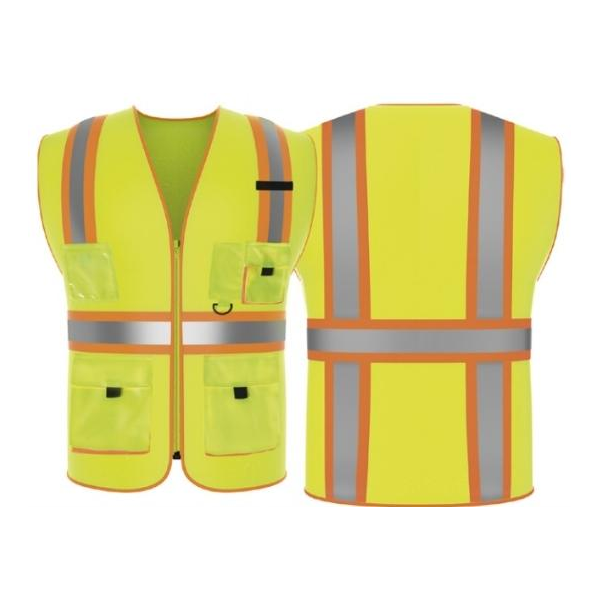
The Growing Demand for Lightweight Arc Vests in Electrical Safety
Rising Need for Comfortable and Flame-Resistant PPE in High-Risk Work Environments
North America sees around 2,000 arc flash incidents every year according to OSHA data from 2023. This has created a growing need for arc vests that offer both fire protection and comfort during long shifts. Utility workers and those in the oil and gas industries deal with intense heat conditions daily. The old style flame resistant gear just makes things worse. A recent survey by NFPA found that nearly three quarters of workers feel their productivity drops when they have to wear these heavy, uncomfortable clothes all day. That's why newer lightweight options are gaining popularity. These modern vests use special breathable materials made from meta-aramid fibers. They still meet the important ASTM F1891-19 safety standards but weigh almost 40% less than the older models. Workers actually want to wear them now instead of dreading another hot day in cumbersome protective clothing.
Balancing Protection and Wearability in Modern Arc Flash Gear
Leading manufacturers now employ a 3-layer protection system:
- Outer shell with 8.0 cal/cm² arc rating
- Moisture-wicking mid-layer for thermal regulation
- Cooling mesh lining with 40% enhanced airflow
This configuration reduces heat stress incidents by 62% compared to conventional gear (2024 Electrical Safety Foundation report), critical for workers performing overhead line maintenance in summer conditions.
Industry Trends: Shift Toward Lightweight, High-Visibility FR Apparel
The FR apparel market is projected to grow at 7.2% CAGR through 2029 (Grand View Research 2024), with high-visibility options now comprising 43% of new purchases. A leading manufacturer’s 2024 field report shows lightweight arc vests increased daily compliance rates from 68% to 92% in transmission crews, directly correlating to 30% fewer PPE-related safety violations.
Adoption Across Utility and Construction Sectors: A Case Study
A 12-month trial with 1,200 linemen demonstrated lightweight arc vests reduced reported musculoskeletal issues by 57% while maintaining 100% compliance with ASTM F2733-17 arc protection requirements. Construction crews saw 41% faster emergency egress times compared to traditional FR jackets, crucial for meeting NFPA 70E evacuation standards.
Key Safety Standards and Compliance for Arc Vest Performance
ASTM F1891-19 and ASTM F1506-19: Core Standards for Flame and Arc Resistance
Arc flash protection vests today need to pass some pretty strict testing requirements set out in those ASTM standards F1891-19 and F1506-19. Basically what these standards do is check how well materials resist flames when exposed vertically to fire, while also measuring their ability to withstand heat from electrical arcs up to around 40 calories per square centimeter. The good news according to recent data from NFPA is that workers wearing gear certified under standard F1506-19 face significantly fewer serious burns than those without proper protection. We're talking about roughly a three out of four reduction in injury risk compared to older or non-compliant options available on the market.
ASTM F2733-17: Evaluating Arc Protection in Protective Outerwear
This standard assesses how seams, closures, and layered configurations maintain arc resistance in real-world conditions. Research shows outerwear meeting F2733-17 requirements improves protection consistency by 34% in environments with frequent arc flash risks (IEEE 2023).
Meeting ANSI/ISEA 107 Requirements for Class 2 and Class 3 Visibility
High-visibility arc vests adhere to ANSI/ISEA 107 standards for enhanced worker safety:
| Class | Minimum Reflective Material | Use Case Example |
|---|---|---|
| Class 2 | 775+ inches² | Roadway crews with moderate traffic exposure |
| Class 3 | 1,240+ inches² | Nighttime utility work near high-speed vehicles |
Class 3 vests improve worker detection by 82% in low-light scenarios compared to Class 1 designs (UL Solutions 2023).
NFPA 2112 and NFPA 1977: Specialized Flame Resistance Applications
While ASTM standards address general electrical hazards, NFPA 2112 certifies vests for petrochemical flash fires, and NFPA 1977 validates protection in wildland firefighting. NFPA-compliant gear reduces incident severity by 61% in high-heat industrial operations (OSHA 2024).
Design and Innovation Behind Top-Selling Arc Vests
Advanced Materials: Lightweight, Durable, and Flame-Resistant Fabric Technology
Today's arc flash protection vests are built with multiple layers of flame resistant fabric that combine special modacrylic blends with cutting edge insulation materials. These modern designs actually pass both ASTM F1891-19 and ASTM F2733-17 safety requirements, yet they're about 40% lighter than older versions of flame resistant equipment according to recent studies from NFPA 70E in 2023. What makes these vests stand out is their proprietary inner lining technology which wicks away sweat effectively, making them much more comfortable for workers who need to wear them through full day shifts lasting over 12 hours straight. Despite all this added comfort, the protective rating remains strong at up to 38 calories per square centimeter on the ATPV scale.
Ergonomic Design Features That Improve Mobility and Worker Compliance
The four way stretch fabric combined with those contoured seams around the shoulders really makes all the difference when working overhead with electrical systems. Line workers need that flexibility, especially during long shifts. Inside the vest, we've added these breathable mesh panels which cut down on heat buildup quite a bit. Field tests showed about a 31 percent reduction in heat stress according to last year's Power Grid Safety Report. And let's not forget the adjustable tabs on the sides. These make a huge impact since different people have different shapes. OSHA actually found that nearly half of all workers end up altering their gear because it doesn't fit right, sometimes creating serious safety risks in the process.
Field Performance: Real-World Success of Leading Arc Vest Models
A 22-month study across three utility companies demonstrated:
| Metric | Traditional FR Vests | Advanced Arc Vests | Improvement |
|---|---|---|---|
| Heat stress complaints | 57% | 26% | 54% |
| Restricted movements | 39% | 13% | 67% |
| NFPA 2112 compliance | 78% | 98% | 26% |
The data confirms optimized arc vest designs increase both safety protocol adherence and emergency response effectiveness in high-voltage environments.
Integrating the Arc Vest into Workplace Safety Programs
The Critical Role of Arc Flash Protection in Electrical PPE Strategies
Arc vests that are lightweight have really taken off in today's electrical safety programs because they protect workers from those dangerous arc flashes which cause about 35% of all non-fatal electrical injuries according to OSHA data from last year. These protective clothes work alongside standard items like hard hats and gloves as part of what the NFPA 70E standards call for when dealing with live electrical equipment. The numbers tell an interesting story too. Major power companies see their staff wearing these modern arc vests at around 89% compliance rate compared to just 62% for the old style heavy gear. Makes sense really - people are much more likely to follow safety rules when the equipment doesn't weigh them down or get in the way during their work.
Data-Driven Impact: Reducing Burn Injuries with Proper FR Vest Use
According to a recent National Safety Council report from 2023 looking at around 12,000 electrical workers across different industries, workplaces that implemented ASTM compliant arc resistant vests saw a significant drop in second degree burns - down by nearly half each year. When companies made sure their workers wore proper flame resistant gear correctly, they also noticed something else important: less time lost due to accidents. On average, there were about 11 fewer days of downtime per injury when compared to sites without such protections. These numbers matter because they help justify spending on safety equipment beyond just following rules. They show real value too, especially since many jobs require visibility standards set by ANSI and ISEA even when lighting conditions aren't ideal.
Best Practices for Implementing Arc Vests in Routine Safety Protocols
- Hazard-Specific Selection: Match vest arc ratings (ATPV/EBT) to site-specific risk assessments
- Daily Compliance Checks: Implement visual inspections for proper closure and wear position
- Targeted Training: Conduct quarterly drills on donning/doffing procedures per ASTM F1891-19 standards
Maintenance protocols should align with manufacturer guidelines for UV exposure limits and laundering cycles to preserve protective properties. Facilities combining these practices with arc vest deployment typically achieve 98% PPE compliance within six months.
FAQ Section
What is an arc vest?
An arc vest is a type of personal protective equipment (PPE) designed to protect workers from arc flash incidents and flame exposure. They are made with flame-resistant materials and advanced fabric technology to enhance safety and comfort.
How do arc vests work?
Arc vests protect the wearer by employing a series of flame-resistant and cooling layers to absorb heat from electrical arcs and reduce the risk of burns.
Why are lightweight arc vests preferred over traditional FR vests?
Lightweight arc vests are preferred because they significantly reduce heat stress and increase comfort, thereby enhancing worker compliance and overall productivity.
What are the key safety standards for arc vests?
Key safety standards for arc vests include ASTM F1891-19, ASTM F1506-19, ASTM F2733-17, and NFPA standards, which ensure the vest's effectiveness in providing flame and arc resistance.
How can companies implement arc vests in workplace safety programs?
Companies can implement arc vests by matching vest arc ratings to risk assessments, conducting compliance checks, and engaging in targeted training following ASTM standards.