 EN
EN

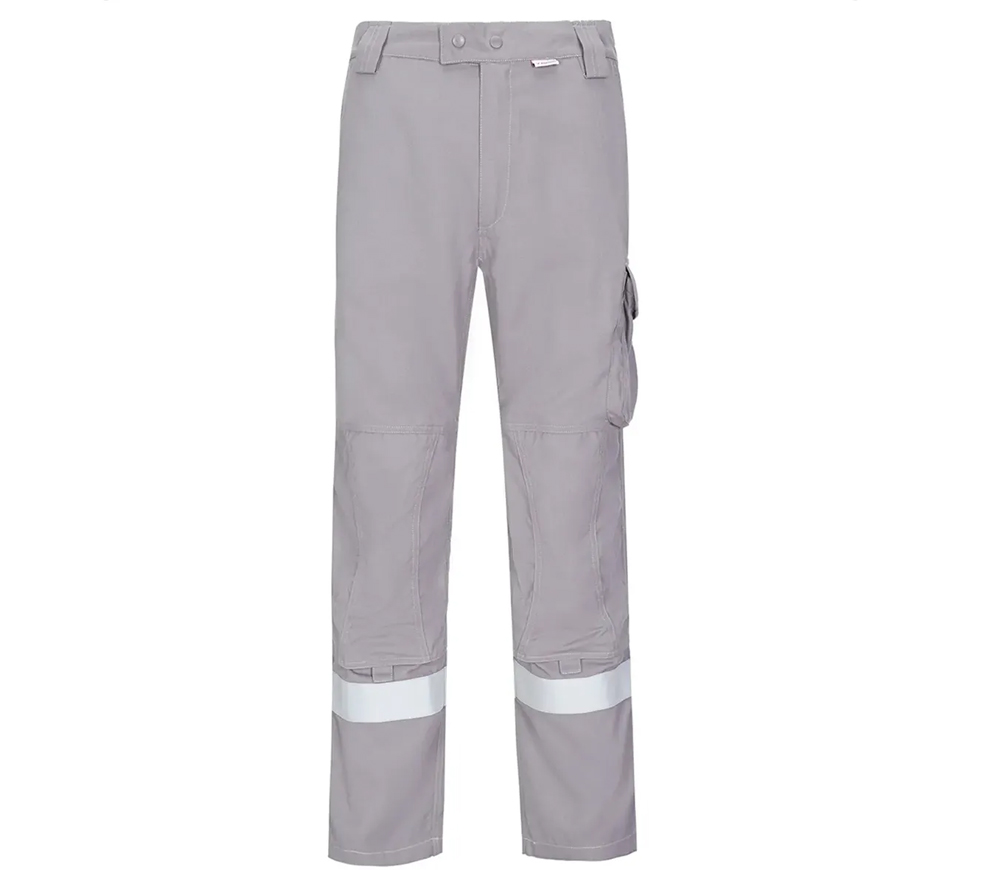
How Hi Vis Garment Improves Worker Visibility in Dynamic Outdoor Environments
The visibility gap: Why standard clothing fails in high-risk outdoor settings
Regular work clothes tend to blend right in with both nature and industry surroundings, which creates serious visibility problems. Think about construction sites or road projects where brown and gray fabrics look just like dirt, equipment, or pavement especially around sunrise, sunset, or when there are shadows everywhere. The result? People working in these areas can be spotted from less than 100 feet away by drivers on highways. But most drivers need to see someone over 200 feet ahead to react properly, so regular clothing actually plays a role in many avoidable accidents. That's where high visibility gear comes in handy. These special outfits stand out clearly against all sorts of backgrounds thanks to carefully chosen bright colors and materials that reflect light back at sources like car headlights.
Science of conspicuity: Fluorescent materials for daylight and retroreflective elements for low-light conditions
Today's high visibility clothing actually works pretty well thanks to some clever science involving light absorption and reflection. The bright yellow and orange colors we see aren't just for show either. These special fluorescent dyes grab ultraviolet light during the day and turn it into visible light waves, which makes workers stand out against their background by roughly two and a half times compared to regular clothes. When night falls though, things change a bit. Most safety vests have this reflective tape sewn onto them, filled with tiny glass beads that send back most of the light shining on them. Think about when cars pass by at night - those little dots on the vest really pop because they're bouncing so much of that headlight beam right back towards the driver. This combination of day and night visibility features means these garments work across all sorts of lighting situations, whether it's barely dark or full sunlight.
| Light Condition | Technology | Detection Range |
|---|---|---|
| Daylight | Fluorescent materials | 500+ ft |
| Low-light | Retroreflective tape | 1,000+ ft |
| Transitional | Hybrid system | 360° visibility |
The combination ensures workers remain conspicuous whether navigating foggy highways or operating in sunset glare.
Hi Vis Garment Performance Across Real-World Conditions
Weather and lighting challenges: Reduced efficacy of non-compliant garments in fog, rain, and twilight
Hi vis clothing that doesn't meet standards simply doesn't work when weather turns bad, and this matters because around three quarters of all outdoor accidents happen under these conditions according to Workplace Safety Monitor data from last year. When it rains, reflective strips on poor quality gear can lose almost half their effectiveness. Fog is even worse since it basically scatters any reflected light and makes bright colors look washed out. Workers often find themselves in situations where ambient light drops below 5 lux levels, which typically happens at sunrise or sunset times. At those points, standard materials just fade into the background completely. And then there's the issue with moisture absorption for garments lacking proper water resistant treatments. These clothes soak up rainwater, get heavier, and what's worse, they stay damp longer which means visibility problems persist throughout shifts.
Optimal design: Combining ANSI-compliant fluorescent background with retroreflective tape for 360° visibility (0.2–100+ lux)
The best high visibility clothing combines fluorescent polyester cotton mixes for seeing well during the day, plus prismatic reflective strips that stand out at night. These two systems together keep people visible from more than 200 meters away even when conditions change dramatically between barely any light (like under moonlight at 0.2 lux) and bright sunshine. Putting those reflective tapes strategically around arms, legs and body gives workers full circle visibility wherever they turn. The seams are also bonded instead of sewn so they won't come apart after repeated washing in industrial settings. Garments certified to ANSI/ISEA 107 standards work reliably in tricky spots where lighting shifts constantly, such as inside tunnels or among trees in outdoor worksites where visibility can drop suddenly.
Selecting the Right Hi Vis Garment by Industry and Risk Level
Picking out the right high visibility clothing means getting the gear to match what kind of dangers someone faces and where they work. For road workers dealing with traffic going over 55 miles per hour, Class 3 protection becomes necessary because those folks need complete 360 degree reflective coverage around them at all times. Warehouse employees working inside buildings usually don't face such risks so basic Class 1 vests often do the trick there. When shopping for these items, several things matter most including how fast vehicles are moving nearby, whether there's lots going on in the background that might hide someone, plus how long people will be outside in different weather conditions. People working in really dangerous jobs like utility maintenance or emergency services generally end up needing either Class 2 or 3 apparel since these positions call for both bright colors and reflective strips together. Before making any purchase decisions though, it's smart to check against the ANSI/ISEA 107 standards to make sure whatever gets chosen actually provides enough visibility when needed.
Compliance Essentials: ANSI/ISEA 107 and CSA Z96 Standards for Outdoor Hi Vis Garment Use
Class 2 vs. Class 3 hi vis garment requirements for roadside, utility, and construction work
Picking the right hi vis garment class matters a lot when working outdoors where there are serious risks involved. The ANSI/ISEA 107-2020 and CSA Z96-15 standards basically split things into three categories depending on how visible someone needs to be and what kind of dangers they face. For Class 2 gear, workers need clothing with about 775 square inches of bright colored fabric plus around 201 square inches of reflective tape. These are good enough for jobs like fixing utilities close to roads where cars are going slower than 50 miles per hour. Then there's Class 3 which demands even more coverage with over 1,240 square inches of background material and at least 310 square inches of reflective tape wrapped all around the body from head to toe. This gives full 360 degree visibility needed for dangerous situations such as building highways or responding to emergencies in areas with fast moving vehicles or complicated traffic conditions.
| Requirement | Class 2 Hi Vis Garment | Class 3 Hi Vis Garment |
|---|---|---|
| Min. Background Material | 775+ sq in | 1,240+ sq in |
| Retroreflective Tape | 201+ sq in | 310+ sq in |
| Coverage | Torso + partial limbs | Full torso + limbs |
| Use Cases | Roadside surveys, Utility maintenance |
Highway construction, Emergency response |
Matching the garment class to the risk level is essential—Class 3 reduces struck-by incidents by 68% in dusk conditions (Workplace Safety North 2023). In Canada, CSA Z96 aligns with ANSI tiers but includes specific requirements for retroreflective band placement. Never use Class 2 gear in high-speed work zones.
FAQ
What is the role of high visibility clothing in reducing accidents? High visibility clothing plays a critical role in reducing accidents by making workers more visible to drivers and machinery operators, thus helping prevent incidents where workers might otherwise blend into their surroundings.
How do high visibility garments work during the day and night? During the day, fluorescent materials absorb ultraviolet light and emit visible light, while at night, retroreflective elements bounce light back to its source, enhancing worker visibility across different lighting conditions.
What are the differences between Class 2 and Class 3 hi vis garments? Class 2 garments are designed for lower risk environments and provide moderate coverage, whereas Class 3 garments offer enhanced full-body visibility and are suitable for high-risk environments such as highways.