 EN
EN

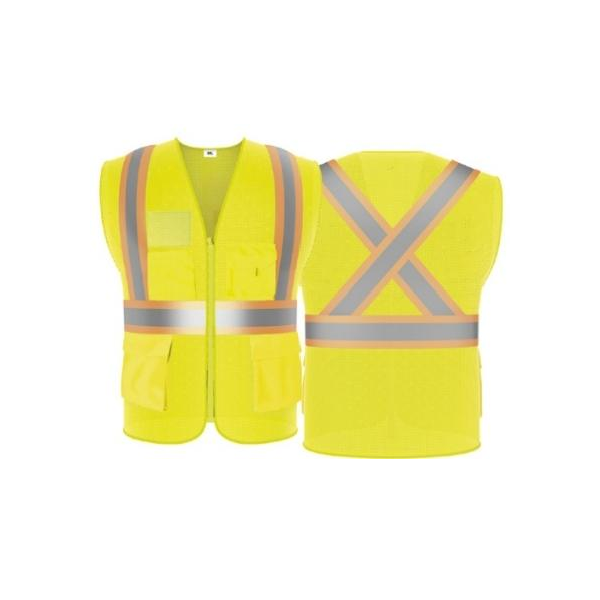
Why Customized Arc Flash Gear Is Essential in Modern Industrial Safety
Rising Incidence of Arc Flash Hazards in High-Voltage Environments
About 72 percent of all electrical injuries at work happen in high voltage settings these days, especially around old power grids and new renewable energy sites. Looking at recent data from trade reports, there has been about a 15% increase in arc flash accidents across North American factories since early 2022. When these flashes occur they can hit temps above 35 thousand degrees Fahrenheit almost instantly, which makes clear why better protection equipment is so important right now. Electricians who do maintenance on live wires or install large battery packs are particularly vulnerable because regular safety gear just doesn't cut it anymore when dealing with unpredictable heat levels during such incidents.
Limitations of Standard PPE and the Need for Personalized Protection
Off-the-shelf arc flash PPE frequently fails to meet real-world demands. Loose-fitting designs can expose skin or hinder movement during emergencies, contributing to 40% of electrical injuries. Customized solutions address these shortcomings through:
- Ergonomic tailoring for mobility in confined spaces
- Multi-layered material systems that balance ATPV with breathability
- Task-specific features, such as reinforced knees for ground-level equipment work
By aligning protection with actual job tasks and site conditions, customized gear closes compliance gaps and enhances both safety and operational efficiency.
Aligning Customized Arc Flash Gear with NFPA 70E and OSHA Compliance
Custom PPE must align with evolving standards like the 2024 updates to NFPA 70E, which refine incident energy thresholds and hazard assessments. Facilities using personalized PPE have seen OSHA recordables drop by 63% compared to those relying on generic kits. Key strategies include:
- Material certification audits ensuring fabrics meet ASTM F887 requirements
- Energy exposure mapping to match ATPV ratings with facility-specific fault currents
- Modular designs enabling quick adaptation as infrastructure evolves
This approach ensures ongoing compliance while supporting dynamic industrial operations.
Innovations Driving the Next Generation of Customized Arc Flash Gear
Advances in Material Science for Higher Protection and Comfort
New developments in nanotechnology combined with special hybrid polymers have actually boosted thermal resistance compared to older materials, according to recent tests under ASTM F887-2024 standards. We're seeing around a 27% improvement here. What does this mean practically? Well, it allows manufacturers to weave fire resistant fibers right into clothes that still let air through, which is really important for people working near electrical substations or inside battery manufacturing plants where sparks can happen unexpectedly. Take graphene treated fabrics as just one example. These materials provide protection against electrical arcs similar to what industrial equipment uses for cooling purposes. And there's something else interesting too - field testing showed these new fabrics cut down on heat related injuries by about 41%. That's quite significant when considering how hot conditions can get in certain work environments.
Ergonomic Design Integration Without Sacrificing Safety Performance
The old problem where workers had to choose between protection and mobility is being solved thanks to new modular design approaches in safety equipment. Take a look at some of the latest innovations: those knee pads that bend naturally with movement, magnetic attachments for face shields that stay put without getting in the way, and sleeves shaped to fit how arms actually move during work. These improvements keep the ATPV rating well over 40 cal/cm² while letting people work comfortably. A recent report from the Electrical Safety Institute back in 2023 showed something interesting too. Workers who wore this kind of ergonomic gear finished their high voltage jobs around 19 percent quicker than before, and best of all, there were zero compliance problems reported during testing periods.
Lightweight vs. High ATPV: Resolving the Protection-Weight Tradeoff
The latest gear features aerogel insulation and titanium mesh reinforcement that cuts down on overall weight by around 33%, yet still meets and even surpasses those strict NFPA 70E Category 4 standards. Workers have been struggling with heavy protective clothing for years. A recent industry poll from 2024 revealed something pretty telling - nearly two thirds of linemen simply refused to wear their old 8 pound suits when temperatures climbed during summer maintenance work. Getting proper fit has become much better thanks to these new sizing systems which can get measurements spot on within just 2 millimeters. This means better protection for people with different body shapes and sizes, plus they actually want to keep wearing the gear day after day instead of complaining about discomfort.
Expanding Applications in Renewable Energy and Electric Vehicle Manufacturing
Customized Arc Flash Gear in Solar and Wind Power Facilities
As renewable energy continues to grow at breakneck speed, we're seeing an increase in arc flash dangers specifically within solar farms and wind turbine sites. Technicians here deal regularly with electrical systems ranging from around 600 volts all the way up to 1500 volts daily. According to numbers from NFPA, these kinds of accidents happen about 23 percent more often in solar power stations compared to traditional power generation facilities. The main reason? Those complicated setups inside combiner boxes just create more opportunities for problems. Modern flame resistant clothing now comes with special coatings that resist UV damage plus inner layers that pull sweat away from skin. This makes sense when workers need to scale tall windmills or spend hours bent over panels on the ground. Safety gets better while workers stay cooler too.
Critical Protection Needs in EV Battery Production Plants
Manufacturing lithium-ion batteries comes with serious risks, particularly when it comes to DC arc flashes during cell formation. These can reach an alarming 78 cal/cm², which is almost twice what's considered safe according to NFPA 70E Category 4 standards (the cutoff point being around 40 cal/cm²). Looking at recent industry data from the Graphite Innovation Report released last year, about two thirds of electric vehicle battery fires actually start because of arcs causing thermal runaway situations. Companies are now turning to better protective equipment as a solution. Some manufacturers have started using materials that put themselves out once ignited, making them less likely to stick to molten metals. For workers handling these dangerous processes, there are specialized face shields available too. These not only meet strict ASTM F887 requirements for falling object protection but also feature anti-fog coatings so they stay clear even in controlled environments like cleanrooms where visibility matters most.
Case Study: Enhanced PPE Adoption in EV Manufacturing
One major EV company saw a dramatic drop in arc flash injuries—down 62% actually—after introducing these special multi-hazard suits rated at 100 cal/cm² with built-in ventilation systems that keep workers comfortable during full 8 hour shifts. What makes these suits stand out is their unique construction using lightweight aluminum honeycomb panels that resist flames while letting heat escape about 40% quicker than regular materials. Plus, they pass all those tough 800V electrical tests without compromising protection. The folks on the factory floor really appreciate this gear since it means fewer safety incidents and better working conditions overall. Manufacturers looking to improve workplace safety are starting to see that investing in good quality protective equipment pays off in multiple ways.
FAQ Section
What is arc flash?
An arc flash is a type of electrical explosion resulting from a short circuit through air, reaching temperatures over 35,000°F and causing severe burns. It typically occurs in high-voltage environments, such as power grids or renewable energy sites.
Why is customized arc flash gear better than standard PPE?
Customized arc flash gear is tailored to specific tasks and site conditions, ensuring better fit, enhanced mobility, and improved protection against unpredictable heat levels. It addresses compliance gaps effectively compared to generic kits.
What materials are used in modern arc flash PPE?
Modern arc flash PPE utilizes advanced fibers like modacrylic blends and para-aramid, which are known for their rapid self-extinguishing properties and high melting points. These materials prevent burn risks and offer breathability.
How does customized gear align with NFPA 70E standards?
Customized gear is designed to meet NFPA 70E standards through rigorous material certification audits, energy exposure mapping, and modular designs. This ensures compliance and adaptability to changing industrial operations.