 EN
EN

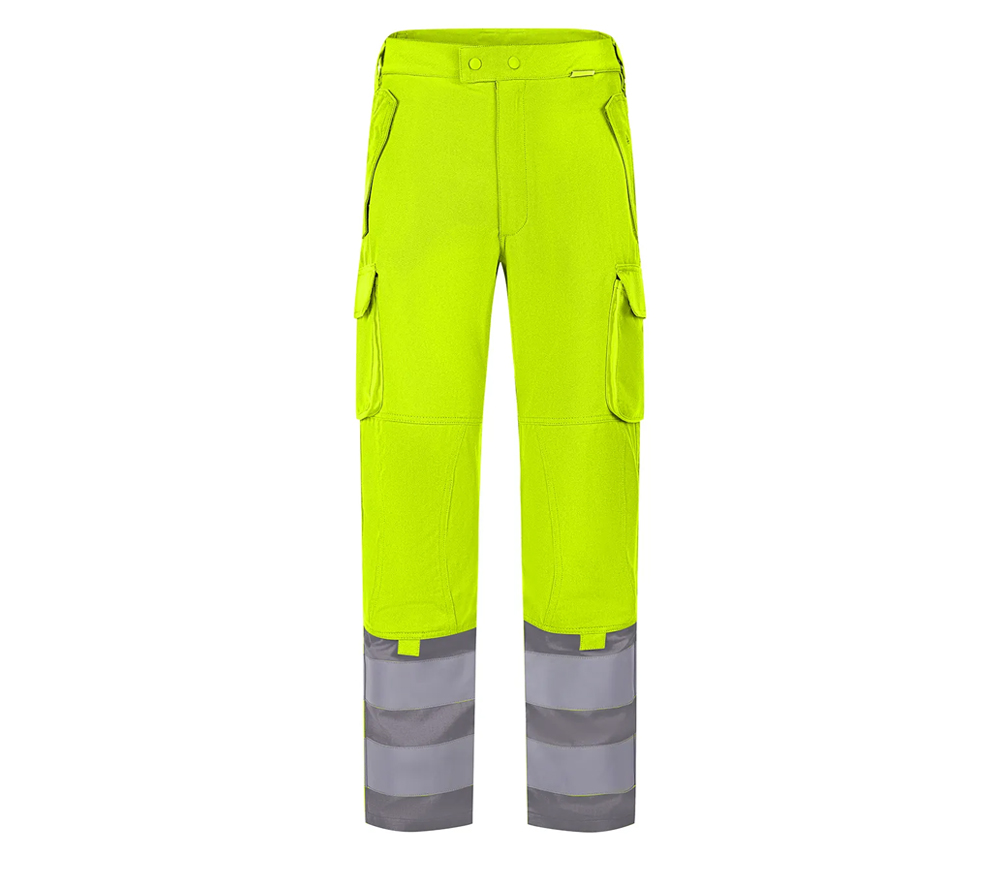
Understanding FR Pants: How They Work and What Sets Them Apart
What Is FR Clothing and How It Works
Flame Resistant (FR) clothing stands as must-have PPE for workers facing fire risks and thermal dangers on the job site. Regular work clothes just won't cut it when sparks fly or temperatures spike. FR pants are made from special fabrics designed to fight off catching fire and slow down how fast flames can spread. These materials work two ways actually one part absorbs heat chemically while another forms a protective barrier against extreme temperatures. Most importantly, if something catches fire, these garments will typically stop burning themselves within about 2 to 3 seconds. Labs have tested this repeatedly including UL back in 2019 who verified those numbers. Research indicates wearing FR gear cuts down chances of serious second degree and third degree burns by around 60 percent versus plain old cotton fabric. That makes all the difference for folks working in high risk areas such as oil rigs, power plants where electricity arcs happen, and anywhere welding takes place regularly.
Inherent vs Treated FR Fabrics: Key Differences
FR fabrics are categorized into two types, each offering distinct performance characteristics:
| Feature | Inherent FR Fabrics | Treated FR Fabrics |
|---|---|---|
| Flame resistance source | Built into fiber chemistry | Chemical coatings applied |
| Durability | Maintains FR properties for garment lifespan | Effectiveness diminishes after 50-100 washes |
| Compliance | Meets NFPA 2112 standards | Requires retesting after repeated laundering |
Inherent fabrics such as modacrylic blends perform well in high-wash industrial settings, while treated cotton-Nomex hybrids offer a cost-effective solution for short-term use. Both must pass ASTM F1506 arc rating requirements to be approved for workplace wear.
Self-Extinguishing Properties of FR Garments
What makes flame resistant pants so effective is how they actually stop burning when the fire source goes away. The fabric has this special property where it chars instead of catching flames, creating a protective layer that blocks heat transfer even when exposed to intense flash fires that can hit around 1800 degrees Fahrenheit. Research published last year showed some pretty impressive results too. Workers who wore these FR clothes had burns covering about half the area compared to people dressed in regular workwear during arc flash incidents. That kind of protection makes all the difference in real world situations where seconds count.
The Science Behind Flame Resistance in FR Pants
Flame-resistant pants leverage advanced material science to protect against thermal threats. Through inherent flame suppression, thermal insulation, and self-extinguishing capabilities, these garments significantly reduce burn injury risks in hazardous environments.
How Fire-Resistant Materials Like Nomex, Kevlar, and PBI Protect Against Flames and Heat
When Nomex aramid fibers get hot, they actually expand and create this protective char layer that acts as insulation against heat moving through. Kevlar is another material worth mentioning here because it's super strong under tension and can handle really high temps around 800 degrees Fahrenheit before breaking down, which makes it great for protecting workers during electrical arcs. Then there's PBI, short for polybenzimidazole, which holds its shape even when exposed to temperatures nearing 1800°F for about ten seconds straight. That kind of performance matters a lot in situations where people might be working near intense flames or industrial fires. Together these different materials form barriers that stop dangerous heat from getting close enough to burn skin, plus they won't melt away or start dripping like some cheaper fabrics would do under similar conditions.
Thermal Protection and Burn Injury Prevention Mechanisms
FR fabrics defend against heat through two primary mechanisms:
- Char formation: Carbonization at high temperatures creates a protective barrier that insulates underlying layers.
- Moisture management: Certain fibers retain water, which evaporates during heat exposure to cool the fabric surface.
This dual action reduces the likelihood of second-degree burns by 50% compared to standard workwear, according to NFPA 2112 (2023) test data.
Flame Resistant (FR) Fabrics and Their Resistance to Ignition
FR fabrics resist ignition due to three engineered properties:
- Higher ignition thresholds requiring 30-40% more energy to ignite
- Tighter weaves that limit oxygen access to the combustion zone
- Chemical additives that interrupt fire-sustaining chain reactions
While cotton ignites at 410°F (210°C), FR-treated fabrics remain flame-resistant above 600°F (316°C). This delay gives workers 5-8 extra seconds to escape dangerous situations.
Key Features and Design Elements That Maximize Safety in FR Pants
Layered Construction and Reinforced Stitching in FR Pants
Most FR pants have several layers made from materials that naturally resist flames, such as Nomex®. These layers form good protection against heat, slowing down how fast it gets through the fabric. Workers who weld or deal with electricity find these layered designs really helpful because the air trapped between the fabric layers actually helps spread out the heat better. For the seams, manufacturers stitch them with two rows of Kevlar® thread instead of just one. This special stitching holds together even when temps hit around 600°F, way better than regular polyester thread found in normal work pants. That makes all the difference when someone is working in high risk environments.
Heat-Resistant Closures and Durable Design Elements
Closures include ceramic-coated zippers and snaps designed not to melt under flash fire conditions. Knee panels reinforced with 1000D Cordura® provide long-lasting abrasion resistance, while reflective Nomex® trim improves visibility without compromising arc flash safety. These features ensure compliance with ASTM F1506, maintaining protection through 50+ industrial laundry cycles.
Proper Fit of FR Clothing: Loose vs Tight-Fitting Considerations
According to a recent study from UL Solutions in 2023, workers wearing ill-fitting flame resistant gear face nearly 30% higher injury risks. Good quality FR pants should leave about 2 to 3 inches of space around the calves so air can circulate properly. They also need those stretchy ankle bands that stop fabric from catching on equipment or trapping flames against skin. Pants with articulated knee panels and extra room at the groin area make all the difference when someone needs to bend over repeatedly or climb ladders throughout their shift. These features aren't just comfortable they actually help workers stay compliant with safety standards on tough job sites such as offshore oil platforms and electrical substations where every movement counts.
Industry Standards, Certifications, and Compliance for FR Pants
NFPA 2112 and ASTM F1506: Core Standards for FR Clothing
Fire resistant pants need to pass pretty tough tests if they're going to protect workers properly. The main ones are NFPA 2112 for flash fires and ASTM F1506 when it comes to those dangerous arc flashes. What does this actually mean? Well, the fabric has to stop burning on its own within just two seconds after contact with flames. That's not all either - it should keep burns from covering more than half the body surface area, and still hold together even after being exposed to direct flames for about three whole seconds straight. According to some recent testing done back in 2023 by ASTM labs, gear certified under NFPA 2112 can cut down second degree burns by around 60% during flash fire incidents. Meanwhile, any clothing claiming protection against electrical hazards needs at least an 8 cal/cm² rating according to ASTM F1506 standards.
Compliance Requirements for FR Pants in High-Risk Jobs
High-risk sectors like oil refining and electrical utilities follow OSHA 1910.269 and NFPA 70E regulations requiring:
- Annual hazard assessments to determine thermal and arc flash exposure levels
- FR garments with permanent labels indicating certification and care guidelines
- Replacement of damaged or improperly laundered pants, as incorrect washing can reduce FR effectiveness by 40%
Non-compliance penalties average $15,600 per violation (OSHA 2024), but the greater cost lies in preventable injuries—70% of severe burns occur when FR protocols are ignored.
Real-World Applications of FR Pants Across High-Risk Industries
FR Pants in Oil and Gas: Protection Against Flash Fire Hazards
For workers in the oil and gas industry, flame resistant (FR) pants serve as essential protection when dealing with flash fires from flammable vapors and gases. These specialized garments are designed to put themselves out quickly after exposure, cutting down on serious burns by around half compared with regular work pants, per findings from last year's Industrial Safety Report. What makes them so effective? The layered fabric construction actually creates a barrier that can withstand sudden heat surges reaching over 1,200 degrees Fahrenheit. This gives personnel valuable extra seconds to get away safely if something goes wrong on site. Many experienced rig hands will tell you these pants aren't just another piece of equipment but literally a lifesaver in high risk environments.
Electrical Utilities and Arc Flash Protection with FR Pants
Electrical utility workers rely on flame resistant pants to protect against arc flash dangers, which can unleash temperatures as high as 35,000 degrees Fahrenheit almost instantly. Today's arc rated cotton blends stand up to heat exposure levels reaching around 40 calories per square centimeter, which covers most situations involving high voltage equipment. The loose fitting design is actually a smart feature since it keeps the material from sticking to skin when things get hot, something that meets the standards set out in NFPA 70E guidelines. Workers find this combination of protection and mobility makes all the difference in their day to day tasks.
Construction and Welding: Thermal Hazards and FR Clothing Use
For welders and folks working on construction sites, flame resistant pants are basically essential gear when dealing with hot metal flying around and intense heat exposure. The good ones come with extra thick padding at the knees where people usually get worn out, plus zippers and seams that can handle the rough treatment these jobs throw at them day after day. Looking at injury reports from last year tells an interesting story too. Shops that made sure everyone wore proper FR protection saw nearly two thirds fewer burn incidents below the waist than those places where safety rules weren't strictly followed. Makes sense really since protecting those legs means workers stay healthy and productive longer.
FAQ
What are the main differences between inherent and treated FR fabrics?
Inherent FR fabrics have flame resistance built into the fiber chemistry, providing durability throughout the garment's lifespan. Treated FR fabrics have chemical coatings that render them flame-resistant, but their effectiveness diminishes after 50 to 100 washes.
Why are FR pants considered essential for workers in high-risk environments?
FR pants significantly reduce the risk of serious burns and injuries in environments exposed to fire and heat hazards. They are designed to extinguish flames on their own and provide superior thermal protection compared to regular clothing.
How do FR pants contribute to safety compliance in hazardous industries?
FR pants help meet safety standards such as NFPA 2112 and ASTM F1506, which are crucial for industries such as oil and gas, electrical utilities, and construction. Compliance with these standards ensures protection against flash fire and arc flash dangers.
What are the design features of FR pants that enhance safety?
FR pants often feature layered construction, reinforced stitching with Kevlar® thread, heat-resistant closures, and a loose fit to accommodate mobility and protect against fire-related injuries.
Table of Contents
- Understanding FR Pants: How They Work and What Sets Them Apart
- The Science Behind Flame Resistance in FR Pants
- Key Features and Design Elements That Maximize Safety in FR Pants
- Industry Standards, Certifications, and Compliance for FR Pants
- Real-World Applications of FR Pants Across High-Risk Industries
- FAQ