 EN
EN

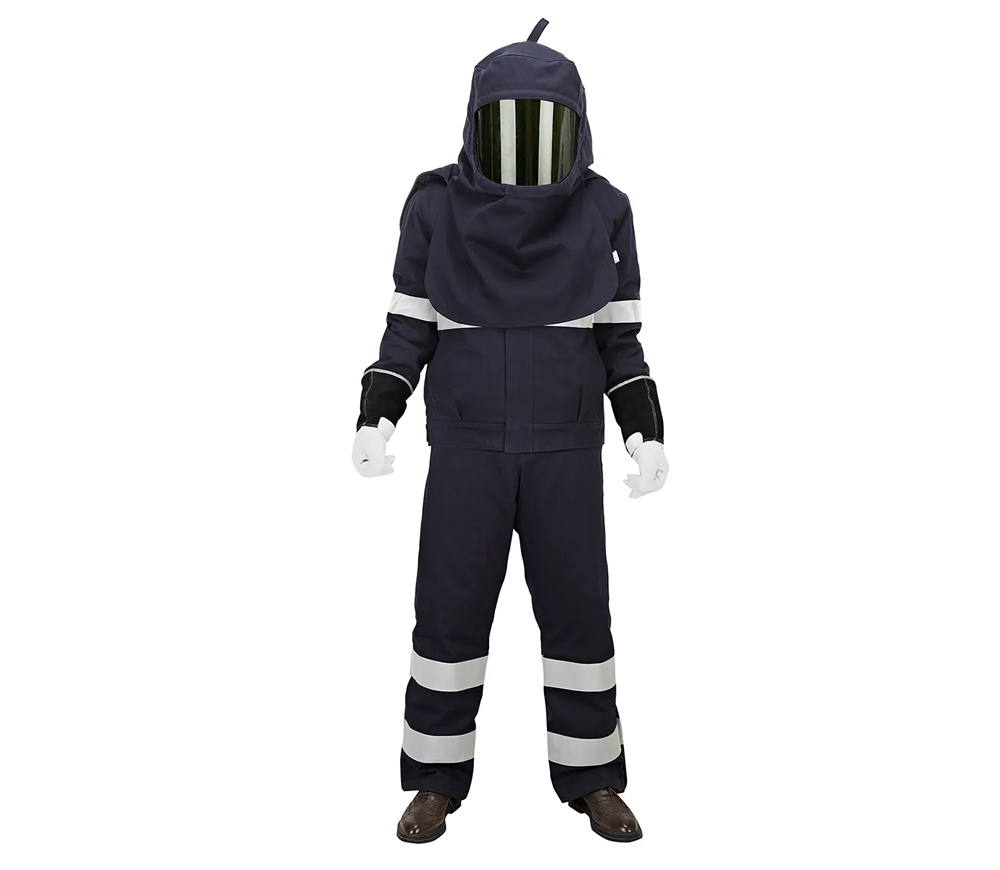
Core Functions of Safety Coveralls in Hazard Protection
Protection Against Chemical, Biological, and Mechanical Hazards
Workplace safety really depends on good quality coveralls these days. They act as the main line of defense against all sorts of dangers at work places. The fabric used in making them is specially designed to stop things like chemicals splashing onto skin, keep out germs, and protect against rough surfaces rubbing against clothing. Most modern protective gear uses stuff called nonwoven composites which won't let anything get through but still lets air circulate properly. Design features matter too - think about those extra layers around seams (storm flaps) and triple stitching where needed for better protection. According to research done back in 2022 by Johns Hopkins Hospital, nearly everyone who wore Level 4 certified coveralls according to ANSI/AAMI PB70 standards didn't have any problems with fluids getting inside during risky operations.
Full-Body Coverage and Prevention of Contamination as a Primary Safety Goal
Safety gear these days comes with full body coverage including built-in hoods, boot covers, and those tight fitting wrist seals that stop anything from getting in. A study done at Johns Hopkins found something pretty interesting too. Coveralls with those face sealing features cut down on contamination spreading by around 83 percent when compared to regular ones. Makes sense really. In clean rooms or food processing plants where tiny bits of dust or bacteria matter a lot, having that complete seal makes all the difference. We've seen this work wonders in hospitals during surgeries and also in semiconductor manufacturing where even a speck of dirt can ruin entire batches worth thousands.
Role of Safety Coveralls in Workplace Hazard Mitigation and Injury Prevention
By forming a physical barrier between workers and hazardous substances, safety coveralls reduce acute injury risks by 57% in chemical handling roles (Ponemon 2023). They also mitigate long-term health risks by preventing dermal absorption of carcinogens. Facilities using ANSI/ISEA 101-2014-compliant coveralls report 41% fewer annual incidents involving hazardous substance exposure.
Defense Mechanisms Against Harmful Substances and Chemical Exposure
Fabric systems with multiple layers work by combining waterproof outer shells with inner linings that pull sweat away from the skin, offering protection from chemicals as well as tiny particles in the air. Materials such as SMS polypropylene (that's spunbond-meltblown-spunbond for short) actually pass those tough Type 4 through 6 chemical resistance tests according to EN 14325 standards. These fabrics stand up pretty well against pressurized liquids and even mist-like particles floating around. When dealing specifically with stuff like hydrocarbons, these special laminated membranes actually swell when they come into contact with the substance. This creates what we call an adaptive barrier system. Testing shows these materials perform about three times better than regular static materials when it comes to delaying penetration during exposure tests.
Materials Used in Safety Coveralls and Their Protective Performance
Tyvek and Polypropylene: Lightweight, Durable Materials for High-Performance Protection
Tyvek is basically made from flashspun high density polyethylene fibers, and offers Type 3 through 6 chemical resistance while weighing only 65 grams per square meter. That makes it about 40 percent lighter compared to those old fashioned laminated fabrics most companies still use. Combine this material with SMS polypropylene and workers get something that lets air flow through but still stops dust particles and small amounts of liquid from getting through. A recent study published by OSHA back in 2023 found some pretty impressive results too. Factories that switched to Tyvek based protective equipment reported around 62 fewer cases of chemical exposure among their staff when working with batteries. Makes sense really, since lighter gear means better mobility without sacrificing protection levels.
Chemical-Resistant Fabrics and Material Selection for Hazardous Industrial Environments
What materials are used makes a huge difference when it comes to safety in places where workers face constant exposure risks. Take microporous films applied to polypropylene bases for instance these stop about 99.7 percent of tiny 0.1 micron particles according to EN 14325 tests, which is really good protection against acids and hydrocarbons. For work in pharmaceutical cleanrooms, we see similar benefits with polyethylene coated fabrics that keep particle entry below 0.01%. The numbers back this up too. Research from NIOSH in 2022 showed workplaces that switched to fabrics meeting EN 14126 standards saw almost 60% reduction in skin contact incidents compared to facilities still using basic off-the-shelf options. These stats matter because they translate directly to worker health and operational costs over time.
Flame-Resistant and Insulating Textiles for Fire-Prone and Extreme Conditions
For multi-threat environments, specialized textiles offer critical protection:
- Meta-aramid blends: Comply with NFPA 2112, resisting 500°C for 8 seconds and reducing burn injuries by 47% in refinery fires
- Carbon-x reinforced fabrics: Deliver arc flash protection up to 40 cal/cm² while maintaining 85% breathability
- Phase-change material (PCM) liners: Regulate skin temperature between 28–32°C during extended shifts in steel mills
Advancements in Fabric Technology Enhancing Safety and Wearer Comfort
Recent innovations improve both performance and comfort:
| Technology | Performance Gain | Comfort Improvement |
|---|---|---|
| Graphene-infused PP | 30% higher tensile strength | 22% better thermal regulation |
| Electrospun nanofiber | 0.005-micron pore size | 50% less moisture retention |
| Biodegradable SMS | Meets ASTM F1671 viral penetration standards | Equivalent airflow to cotton |
A 2023 industry survey revealed 78% of workers preferred next-generation coveralls for tasks exceeding six hours, citing improved mobility and reduced fatigue.
Design Features That Maximize Safety and Usability
Integrated hoods, booties, and sealed seams for complete barrier protection
Integrated hoods, stretchy boot covers, and those special sealed seams make for complete body protection. The seams themselves are made either by heating them together or using chemical bonds instead of regular stitching. According to research published in the Journal of Occupational & Environmental Hygiene last year, this method cuts down on dust particles getting inside by about 92%. That matters a lot in places like drug manufacturing facilities. Cleanrooms there need to meet strict standards called ISO classifications. Basically, anything bigger than half a micron has to stay out if they want to keep everything sterile and contamination free.
Secure zippers, closures, and adjustable fits for mobility and reliability
Industrial-grade closures ensure protection during dynamic tasks. Magnetic zipper flaps and triple-layer Velcro® wrist fasteners prevent accidental openings during activities like drum handling. A 2022 analysis of oil refinery accidents found that waist-cinching adjusters reduced snag-related injuries by 37% compared to standard designs (Process Safety Progress).
Balancing durability, comfort, and ease of movement in modern designs
Advanced 4-way stretch polyethylene fabrics endure over 500 industrial washes while maintaining low bending resistance (<1.5 N·cm²). This enables 27°C shoulder articulation—improving overhead mobility by 15%—and breathable armpit panels with 35 CFM airflow help cut heat stress incidents by 41% in foundries (Textile Research Journal, 2023).
Ergonomic innovations improving long-term wearability and job efficiency
The gear now includes knee pads that spread out pressure evenly and those special ankle zippers that aren't symmetrical on both sides. These features really help workers switch back and forth between crawling around pipes and standing up straight, something they do all day long when maintaining pipelines. According to some field testing done recently, these improvements cut down on muscle tiredness quite a bit actually about a third less fatigue over those long 10 hour shifts. Plus, everything still meets the latest ANSI 107-2020 visibility requirements, as noted in a report from the Human Factors and Ergonomics Society last year. And let's not forget the pre curved sleeves with those neat little laser cut designs that stop fabric from bunching up everywhere. This makes all the difference when someone needs to get precise work done inside clean rooms at semiconductor factories where even the smallest detail matters.
Types of Safety Coveralls and Their Industry-Specific Applications
Disposable Safety Coveralls for Infection Control in Healthcare and Labs
Single use disposable coveralls constructed from either polypropylene or SMS materials provide protection against biological threats when needed most. These protective garments have become pretty standard across medical facilities these days. According to recent data from the Infection Control Journal published last year, about 8 out of 10 hospitals actually use Type 5/6 certified gear specifically in those high risk areas like isolation rooms and laboratories where EN 14126 compliance is mandatory. What makes them work so well? The materials are designed to be both breathable yet completely impermeable at the same time. This dual characteristic helps stop the spread of contaminants when dealing with dangerous pathogens. Plus they meet all the requirements set forth by ASTM F1671 regarding protection from blood borne diseases, which gives healthcare workers peace of mind knowing their safety protocols are up to industry standards.
Reusable vs. Disposable Coveralls: Cost, Sustainability, and Operational Efficiency
Reusable flame resistant coveralls might set a company back about three times the price of disposables at first glance, but these bad boys can survive over fifty industrial wash cycles before needing replacement. Most factories still go with single use gear though, according to that PPE Efficiency Report from 2024. Around two thirds of manufacturers in chemical plants prefer disposable options simply because dealing with proper decontamination is such a headache, plus it cuts down on warehouse space requirements by roughly forty percent. There are some greener alternatives out there now too. Facilities switching to those recyclable Tyvek suits report saving around twelve metric tons worth of trash each year when compared against regular disposable counterparts. Makes sense really, since nobody wants another mountain of landfill waste sitting outside their facility.
Chemical-Resistant and Flame-Resistant Models for Industrial and Energy Sectors
Chemical-resistant coveralls with welded seams and barrier fabrics are standard in corrosive environments. A 2023 protective gear study showed these reduce chemical exposure incidents by 62% in manufacturing. Flame-resistant variants with aluminized outer layers are prevalent in oil refineries, where 74% of thermal injury risks necessitate specialized PPE (Occupational Safety Quarterly 2024).
Insulated and Mechanically Protective Coveralls for Construction and Extreme Environments
Multi-layered designs featuring Kevlar® liners and padded knees reduce impact injuries by 57% in heavy machinery zones. Arctic-grade insulated models with 150g Thinsulate¢ maintain core body temperature in -40°F conditions without sacrificing mobility—a key factor for 91% of oil rig workers surveyed (Extreme Weather Safety Report 2023).
Sterile and Cleanroom-Compatible Coveralls in Pharmaceutical and Food Industries
ISO Class 5-certified coveralls with micro-porous membranes prevent particulate shedding in pharmaceutical labs, supporting environments requiring 99.97% air filtration. In food processing, anti-static SMPE-coveralls achieve 0.5μm particle retention, aligning with FDA 21 CFR Part 117 compliance for foreign object control.
FAQ
What are the core functions of safety coveralls?
Safety coveralls primarily offer protection against chemical, biological, and mechanical hazards. They serve as physical barriers to prevent contamination and injuries in workplace environments.
Why are sealed seams and integrated hoods important in safety coveralls?
Sealed seams and integrated hoods help maximize body coverage, providing a complete barrier that prevents contaminants and particles from penetrating, ensuring worker safety.
How do materials like Tyvek and polypropylene enhance protective performance?
Tyvek and polypropylene are lightweight, durable materials offering high-performance protection against chemicals and particles, allowing for better mobility and effective hazard resistance.
What factors should be considered when choosing between reusable and disposable coveralls?
Consider cost, sustainability, operational efficiency, and the specific workplace environment needs. Reusable coveralls offer long-term savings, while disposable options ease decontamination processes.
How do safety coveralls contribute to workplace hazard mitigation?
By forming a barrier against hazardous substances, safety coveralls significantly reduce injury risks and potential health issues from dermal absorption of dangerous chemicals.
Table of Contents
- Core Functions of Safety Coveralls in Hazard Protection
-
Materials Used in Safety Coveralls and Their Protective Performance
- Tyvek and Polypropylene: Lightweight, Durable Materials for High-Performance Protection
- Chemical-Resistant Fabrics and Material Selection for Hazardous Industrial Environments
- Flame-Resistant and Insulating Textiles for Fire-Prone and Extreme Conditions
- Advancements in Fabric Technology Enhancing Safety and Wearer Comfort
- Design Features That Maximize Safety and Usability
-
Types of Safety Coveralls and Their Industry-Specific Applications
- Disposable Safety Coveralls for Infection Control in Healthcare and Labs
- Reusable vs. Disposable Coveralls: Cost, Sustainability, and Operational Efficiency
- Chemical-Resistant and Flame-Resistant Models for Industrial and Energy Sectors
- Insulated and Mechanically Protective Coveralls for Construction and Extreme Environments
- Sterile and Cleanroom-Compatible Coveralls in Pharmaceutical and Food Industries
-
FAQ
- What are the core functions of safety coveralls?
- Why are sealed seams and integrated hoods important in safety coveralls?
- How do materials like Tyvek and polypropylene enhance protective performance?
- What factors should be considered when choosing between reusable and disposable coveralls?
- How do safety coveralls contribute to workplace hazard mitigation?