 EN
EN

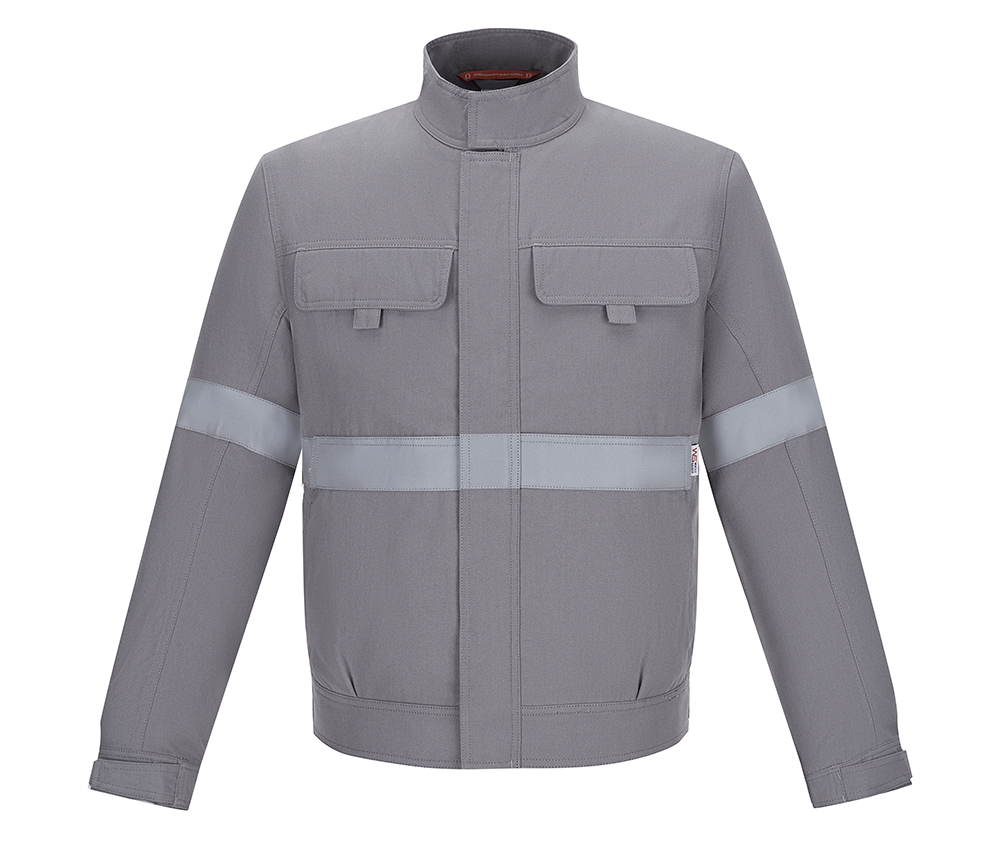
Understanding ANSI/ISEA Standards and OSHA Compliance for Hi Vis Garments
Overview of ANSI/ISEA 107-2015 and ANSI/ISEA 207-2011 Standards
The ANSI/ISEA 107-2015 standard basically serves as the gold standard for high visibility safety clothing, laying out what kind of fluorescent fabrics and reflective trim workers need so they can be seen clearly even when it's dark or dangerous around them. Then there's another important one called ANSI/ISEA 207-2011 that specifically looks at those vests used by police officers and firefighters who need to take their gear off quickly while wearing other protective equipment underneath. These standards actually break down all the different kinds of safety apparel into three main categories: Type O for people working away from roads, Type R for those near traffic, and Type P which covers public safety personnel like cops and paramedics. Each category has its own requirements based on where someone typically works and what kind of hazards they face day to day.
Key Requirements for HVSA Certification Under ANSI/ISEA 107
To achieve certification under ANSI/ISEA 107-2015, hi vis garments must meet rigorous criteria:
- Minimum of 310 square inches of fluorescent background material
- At least 155 square inches of retroreflective tape (increased for Type R and Class 3 garments)
- Retention of colorfastness after 100 hours of UV exposure
- Permanent labeling indicating compliance, class, type, and manufacturer
These requirements ensure consistent performance across manufacturers and protect workers in dynamic environments.
Differences Between Type O, R, and P Garments in ANSI/ISEA 107-2015
| Type | Work Environment | Key Features |
|---|---|---|
| O | Off-road (warehouses, airports) | Minimal retroreflective material (155 in²) |
| R | Roadway (construction, utility) | 360° reflectivity; 310 in² background |
| P | Public safety (police, EMS) | Breakaway design for tactical gear access |
According to ANSI classification guidelines, Type R garments reduce struck-by incidents by 37% in highway zones compared to Type O, highlighting the importance of context-specific selection.
How OSHA High-Visibility Requirements Align With ANSI/ISEA Standards
The Occupational Safety and Health Administration doesn't actually create separate rules specifically for high visibility clothing. Instead they rely on their General Duty Clause to ensure workplaces meet safety requirements. They also point workers toward ANSI/ISEA 107 standards when looking at things like construction site safety under regulation 29 CFR 1926.651. Most employers know that following these ANSI guidelines covers what OSHA wants to see during inspections. According to recent data from 2023, around 92% of all federal workplace checks find companies compliant simply by meeting these visibility standards. Although there's some room for interpretation in how these rules get applied, most safety professionals agree that sticking close to ANSI recommendations remains the gold standard across industries.
Enforcement Gaps: Challenges in State-Level Hi Vis Compliance
Just eighteen states have completely embraced the federal OSHA high visibility clothing standards, whereas many others let their workers wear whatever they want in certain jobs where exposure isn't so bad. According to research published by NIOSH last year, workplaces that don't follow these rules tend to see nearly three times as many injuries compared to those who stick strictly to them. That's pretty alarming when you think about it. About forty four percent of people responsible for workplace safety across different regions mention running into problems because regulations vary so much from place to place. These mixed messages about what counts as proper safety gear really confuse everyone involved and ultimately puts workers at greater risk than necessary.
Matching Hi Vis Garment Classes (1, 2, 3) to Workplace Risk Levels
Defining Class 1, Class 2, and Class 3 Based on Visibility Materials
The ANSI/ISEA 107-2015 standard defines three performance classes based on the amount and placement of high-visibility materials:
| Class | Fluorescent Material (sq in) | Retroreflective Tape (sq in) | Typical Use Cases |
|---|---|---|---|
| 1 | ≤ 155 | ≤ 75 | Warehouse operations, parking attendants |
| 2 | ≤ 775 | ≤ 201 | Roadside utility work, airport tarmacs |
| 3 | ≤ 1,240 | ≤ 310 | Highway construction, emergency response |
Higher classes provide greater visibility through increased coverage and strategic placement of retroreflective strips, including on sleeves and legs for 360° detection.
When to Use Class 1 vs. Class 2 vs. Class 3 Hi Vis Garments
Class 1 garments are appropriate for environments with minimal traffic and vehicle speeds under 25 mph, such as indoor facilities or controlled parking areas. Class 2 is required when workers operate near roadways with traffic up to 50 mph–common in utility and airport ground operations. Class 3 is essential for high-risk scenarios, including:
- Highway crews within 12 feet of traffic moving at 55+ mph
- Emergency responders during nighttime operations
- Railroad maintenance personnel
These conditions demand full-body visibility to allow drivers adequate reaction time.
Case Study: Reduced Incident Rates After Upgrading to Class 3 in Highway Work Zones
A 2022 Pennsylvania DOT initiative upgraded 1,200 highway workers from Class 2 to Class 3 apparel. Over 18 months, near-miss incidents dropped by 42%, attributed to improved driver recognition at distances exceeding 1,280 feet. This outcome reinforces the value of enhanced retroreflective coverage in fast-moving traffic environments.
Trend: Growing Use of Class 3 Garments in Urban Construction
Despite no federal mandate, 68% of NYC contractors now equip workers with Class 3 garments for any roadway-adjacent activity. This shift reflects growing awareness of emerging urban hazards, including distracted drivers, e-scooters, delivery drones, and autonomous vehicles, which increase unpredictability in dense job sites.
Selecting the Right Type of Hi Vis Garment by Work Environment
Comparing Vests, Jackets, Pants, and Coveralls for Different Jobs
When choosing work clothes, it's important to find the right mix between being seen clearly, moving comfortably, and dealing with whatever conditions show up on the job site. Vests are pretty much all that's needed for folks working indoors where there isn't much danger, think warehouse staff moving boxes around. But when someone needs to be outside on roads or highways, jackets become essential because they keep out bad weather while still making sure the torso stays visible at night. Lower body protection matters too. Utility workers who face risks from electricity or machinery often need pants or full coveralls. A recent safety poll found that almost 9 out of 10 such workers actually prefer getting completely covered head to toe. Waste management crews have also benefited from this approach. Workers wearing tough coveralls lined with materials that pull sweat away from skin reported 38 fewer cases of heat stress than those stuck with just regular vests according to data published last year in Occupational Safety Quarterly.
Type O, R, and P: Best Applications for Off-Road, Roadway, and Public Safety Roles
Per the ANSI/ISEA 107-2015 standard, garment types are tailored to operational contexts:
- Type O (Off-Road): Forestry, baggage handlers, loading docks
- Type R (Roadway): Construction flaggers, tow operators, snow plow drivers
- Type P (Public Safety): Firefighters, paramedics, police officers
Type R requires a minimum of 310 square inches of retroreflective material–double that of Type O–ensuring visibility at over 1,000 feet under headlight illumination.
Real-World Example: Municipal Workers Using Type R Jackets for Snow Plow Operations
A Midwestern city reported a 64% reduction in winter vehicle collisions after equipping snow plow operators with Type R jackets featuring 2-inch silver reflective stripes. The magnetic closure system enabled quick removal when entering heated cabs, resolving the 47% worker dissatisfaction previously linked to traditional snap fasteners (Municipal Equipment Journal 2022).
Environmental and Operational Factors That Impact Hi Vis Effectiveness
Night Work, Weather, and Lighting Conditions Affecting Visibility
High visibility gear just doesn't work as well when it gets dark out or when the weather turns bad. Research from last year showed that people can see these garments about half as clearly in foggy conditions or at night because there's simply not enough light around. The ANSI/ISEA standard from 2015 says reflective materials need to reflect at least 500 candela per lux per square meter so someone driving past can spot them from 1,000 feet away with their headlights on. But what happens in real life? Well, raindrops and falling snow actually bounce light all over the place, which cuts down on contrast between the garment and background by roughly 40 percent. This makes it really tough for drivers to notice workers wearing this stuff, especially during those miserable winter months when everything seems to be covered in slush or ice.
Maintaining Reflectivity and Brightness in Rain or Snow
Advanced designs use sealed-edge reflective tapes and hydrophobic coatings to prevent water absorption, preserving ≤85% reflectivity during precipitation. Garments with moisture-wicking fluorescent backgrounds retain brightness 2.3 times longer than standard polyester in wet conditions, ensuring sustained visibility.
Industry-Specific Needs: Roadway, Construction, and Public Safety Compared
- Roadway crews require 360° reflectivity to be seen from all directions amid multi-lane traffic
- Construction sites demand tear-resistant fabrics (≤4.5 oz/yd²) to withstand debris and abrasion
- Public safety relies on Type P garments with integrated retroreflective insignia for role identification under stress
Each sector benefits from specialized design features that enhance both safety and functionality.
Balancing Comfort, Durability, and Visibility in Harsh Conditions
Effective hi vis apparel integrates comfort with compliance. Mesh-lined panels improve breathability, while triple-stitched seams enhance durability. Multi-layered constructions using encapsulated retroreflective threads maintain performance through 100+ industrial wash cycles. These innovations reduce heat stress complaints by 34% without compromising visibility or structural integrity.
Conducting a Hazard Assessment to Determine the Right Hi Vis Garment
Step-by-Step Guide to Performing a Workplace Hazard Assessment for HVSA
Employers must conduct formal hazard assessments under the U.S. Department of Labor’s 2024 final rule to determine appropriate PPE. Begin by evaluating site-specific conditions such as traffic flow, equipment movement, and lighting. Key steps include:
- Mapping worker pathways relative to vehicle routes
- Measuring available sight distances during peak operations
- Reviewing incident history for visibility-related near misses
This process ensures that selected HVSA matches actual field risks rather than defaulting to generic solutions.
Evaluating Traffic Speed, Worker Proximity, and Risk Level
Risk level directly influences garment selection. Workers exposed to traffic above 35 mph require Type R or Class 3 garments with full 360° visibility. Lower-speed environments may permit Class 1 or Type O use. Critical evaluation factors include:
| Risk Factor | Low Risk (Class 1) | High Risk (Class 3) |
|---|---|---|
| Traffic Speed | <25 mph | >50 mph |
| Worker-Source Distance | >500 ft | <50 ft |
| Visibility Time | 5+ seconds reaction | <2 seconds reaction |
Data Insight: 60% of Struck-By Incidents Occurred Without Proper Hi Vis Apparel
An OSHA 2023 analysis revealed that most fatal struck-by incidents involved inadequate or degraded hi vis wear. Research from ANSI-certified laboratories indicates Class 3 garments reduce recognition errors by 82% in low-light conditions compared to Class 1, reinforcing the need for risk-based garment selection.
FAQs
What are the main categories of high visibility safety apparel under ANSI/ISEA standards?
The ANSI/ISEA standards classify high visibility safety apparel into three main categories: Type O (Off-road), Type R (Roadway), and Type P (Public Safety). Each category is designed for specific work environments and hazards.
How do ANSI/ISEA standards align with OSHA requirements?
OSHA uses the General Duty Clause to ensure workplace safety, pointing to ANSI/ISEA 107 as the standard for compliance regarding high visibility clothing. Meeting ANSI guidelines typically covers OSHA standards during inspections.
What is the difference between Class 1, 2, and 3 garments in terms of visibility performance?
Class 1 offers the least visibility and is suitable for low-risk areas; Class 2 provides moderate visibility for environments with medium traffic; Class 3 ensures the highest level of visibility for high-risk work zones, like highway construction.
Why do workplace hazard assessments matter for selecting hi vis garments?
Hazard assessments help employers tailor high visibility clothing choices to specific workplace risks, ensuring that workers have appropriate protection based on actual field conditions.
Table of Contents
-
Understanding ANSI/ISEA Standards and OSHA Compliance for Hi Vis Garments
- Overview of ANSI/ISEA 107-2015 and ANSI/ISEA 207-2011 Standards
- Key Requirements for HVSA Certification Under ANSI/ISEA 107
- Differences Between Type O, R, and P Garments in ANSI/ISEA 107-2015
- How OSHA High-Visibility Requirements Align With ANSI/ISEA Standards
- Enforcement Gaps: Challenges in State-Level Hi Vis Compliance
- Matching Hi Vis Garment Classes (1, 2, 3) to Workplace Risk Levels
- Selecting the Right Type of Hi Vis Garment by Work Environment
- Environmental and Operational Factors That Impact Hi Vis Effectiveness
- Conducting a Hazard Assessment to Determine the Right Hi Vis Garment
-
FAQs
- What are the main categories of high visibility safety apparel under ANSI/ISEA standards?
- How do ANSI/ISEA standards align with OSHA requirements?
- What is the difference between Class 1, 2, and 3 garments in terms of visibility performance?
- Why do workplace hazard assessments matter for selecting hi vis garments?