 EN
EN

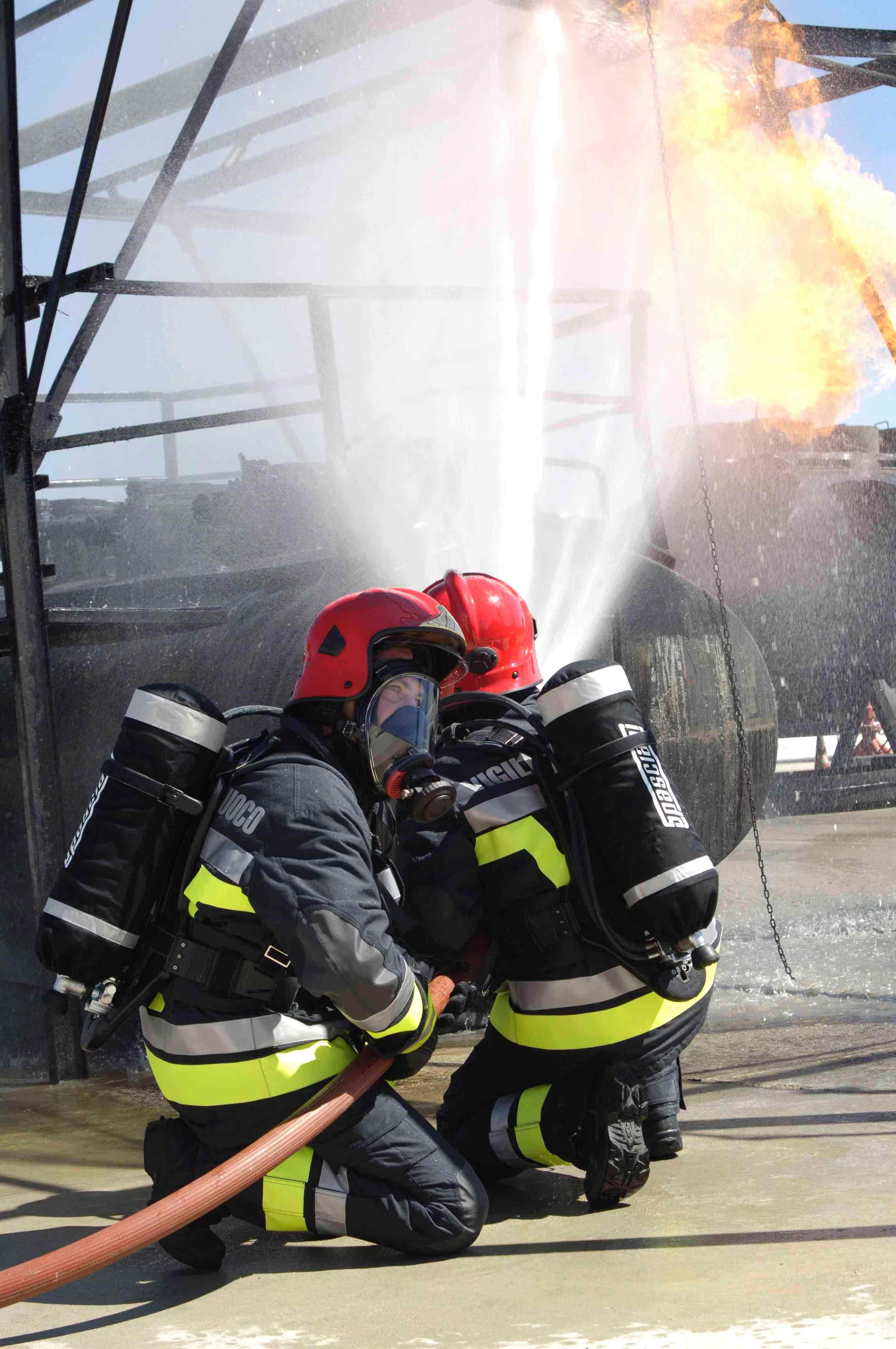
Understanding Fire Retardant Garments and the Role of Proper Care
What Makes Fire Retardant Garments Different from Regular Workwear
FR gear is made from special materials designed to resist catching fire and slow down how fast flames spread compared to normal work clothes. When someone is working around intense heat sources, ordinary fabric tends to melt right away or catch fire quickly. But those FR materials work differently. Take aramid fibers or cotton that's been specially treated - these actually create protective char layers when they come into contact with fire. What happens next? The char acts as insulation against heat, which gives workers precious extra seconds to get out of danger zones before serious burns occur. Firefighters know this well from their experience battling blazes where every second counts for survival.
The Science Behind Flame-Resistant Treatments in Fabrics
Flame-resistant fabrics rely on two primary mechanisms:
- Inherent fibers such as meta-aramid, which have naturally high melting points
- Chemical treatments that react to heat by releasing flame-inhibiting gases
For example, treated cotton undergoes a phosphorous-based reaction when heated, forming a protective carbon barrier. These chemical treatments typically degrade over 30–50 washes, making proper care essential to maintaining protection and preserving the $1.2B/year industrial safety value (NFPA 2023).
How Repeated Use and Improper Maintenance Accelerate Degradation
Bleach, fabric softeners, and high-heat drying accelerate the breakdown of FR treatments by up to 40%. Grease or solvent contamination further compromises fabric integrity by blocking active flame-resistant sites. A 2022 analysis found that garments washed incorrectly failed OSHA arc-rating tests 62% more often than those following recommended care guidelines.
Washing and Pre-Treating Fire Retardant Garments Safely
Water Temperature Guidelines for Laundering Fire Retardant Garments
Wash FR garments in cool or warm water (below 104°F/40°C) to preserve flame-resistant properties. Hot water speeds fiber degradation—research shows tensile strength declines 18% faster at 140°F compared to 86°F. Always follow manufacturer instructions, especially for sensitive fibers like modacrylic, which may require washing at or below 86°F.
Using Appropriate Detergents Without Bleach or Fabric Softeners
Use mild, phosphate-free detergents specifically designed for FR fabrics. Bleach reduces flame resistance by 23% after just 15 washes under NFPA 2112 standards. Fabric softeners leave flammable residues on fibers and were implicated in 14% of compromised FR garment incidents reported in 2023 safety audits.
Safe Methods for Pre-Treating Stains Without Damaging FR Fabric
- Blot fresh stains with cold water—avoid rubbing
- Apply enzyme-based cleaners for protein-based stains like blood or grease
- Test any cleaning solution on an inner seam before full application
Avoid chlorine and hydrogen peroxide, as they break covalent bonds in flame-retardant chemicals.
Removing Oil, Grease, and Other Flammable Substances from FR Garments
Industrial solvents pose significant risks: improper degreaser use contributes to 86% of FR garment failures. For petroleum-based contaminants:
- Pre-treat with cornstarch to absorb oils
- Wash separately using alkyl polyglucoside (APG) surfactants
- Perform double rinsing to remove all flammable residues
Critical protocol: After chemical exposure, re-test garment arc ratings according to ASTM F1959 standards.
Drying, Storage, and Avoiding Chemical Damage to Preserve Protection
Drying Methods: Tumble Drying on Low Heat vs. Air Drying
Controlled drying is crucial for maintaining FR performance. Tumble dry on low heat (<140°F / 60°C) to minimize fiber stress, or air dry to eliminate thermal exposure entirely. A 2023 Textile Protection Alliance study found garments dried at high temperatures lost 17% of their flame-resistant integrity after 50 cycles compared to low-heat methods.
Preventing Shrinkage of FR Garments After Multiple Washings
Shrinkage affects both fit and uniformity of protective coatings. Cold-water washes and avoidance of agitator-style machines reduce contraction by 3% (Industrial Safety Journal 2022). Preshrunk fabrics offer better dimensional stability but still require adherence to manufacturer-recommended drying procedures.
Impact of Bleach on Flame Resistant Properties: A Key Risk Factor
Chlorine bleach degrades flame-resistant chemical bonds at the molecular level. Testing revealed 62% faster breakdown of FR treatments due to bleach residues. Oxygen-based alternatives cause 89% less damage in controlled trials and are preferred for occasional brightening.
Why Fabric Softeners Compromise the Integrity of FR Fabrics
Fabric softeners deposit flammable quaternary ammonium compounds onto fibers, directly undermining FR functionality. Studies show softened garments ignite 0.8 seconds faster in flash-fire simulations (PPE Safety Review 2023), significantly reducing survival chances.
Hidden Hazards: Common Household Cleaners That Damage FR Clothing
Solvent-based stain removers, degreasers, and ammonia solutions strip FR treatments. Even diluted petroleum distillates reduce fabric melt resistance by 41% (NFPA 2112 Supplement 2024). Always use pH-neutral, technical workwear-specific cleaners to avoid unintended compromise.
Following Manufacturer Guidelines and Fiber-Specific Care
Following Manufacturer Care Labels for Maximum FR Durability
Ignoring fabric care instructions can cut down on protection effectiveness by nearly half after just 25 washes according to Textile Safety Journal research from last year. The reason manufacturers create these specific guidelines is simple: they want to keep their special chemical treatments intact and maintain the integrity of the fibers themselves. Take chlorine bleach for instance it eats away at protective coatings over time. A recent look at workplace practices showed something interesting too employees who stuck strictly to manufacturer recommendations saw their work clothes last about 18 months longer than colleagues who washed them however they felt like it back in 2022.
Care Instructions for Specialty Fibers Like Nomex and Kevlar
Washing Nomex® in cold water below 30°C helps keep those pesky polymer shrinkage issues at bay. Kevlar® isn't fond of sunlight either its fibers tend to break down over time if left hanging out in direct UV light, which means line drying probably isn't the best idea. These synthetic aramid materials behave quite differently from regular treated cotton stuff. When they come into contact with enzymes found in many detergents or those optical brighteners that make clothes look whiter than white, their tensile strength starts dropping off. But there's good news too. As long as we handle them right, most aramid fibers still hold onto about 92% of their original heat resistance even after being used around 75 times according to some research published last year by Polymer Engineering Reports.
How Different Fibers React to Laundering: A Comparative Analysis
| Fiber Type | Wash Temperature Limit | Max Spin Speed (RPM) | Bleach Tolerance |
|---|---|---|---|
| FR Cotton | 60°C | 800 | None |
| Nomex® | 30°C | 400 | Partial* |
| Kevlar® | 40°C | 600 | None |
| Modacrylic Blends | 50°C | 700 | Low |
*Only oxygen-based bleach permitted quarterly
Controversy Analysis: Do All Treated Fabrics Retain Protection Equally Over Time?
Research from 2023 looking at around 1,200 flame resistant clothing items found that treatments made from cellulose break down about three times quicker compared to synthetic options when tested under the same conditions. Industry standards typically demand these materials hold up through at least 50 washes, but in reality problems start showing up much sooner. Hard water minerals tend to build up on fabrics, which can actually reduce protective properties after only about 35 laundry cycles give or take. Many professionals in the field have pointed out that existing test methods don't really account for how different water qualities across regions affect fabric performance. This issue is something the upcoming changes to ISO standard 21420 aim to address, though implementation will likely take time as manufacturers adjust their processes.
Knowing When to Retire Fire Retardant Garments
When to Remove FR Garments From Service Due to Severe Contamination
Clothing that comes into contact with hydrocarbon materials like grease, solvents, or flammable liquids needs to be taken out of service right away. The problem is these substances actually get absorbed into fabric fibers, which can cut down on flame resistance properties by around 40%, based on what industrial safety experts have found. Cleaning doesn't always remove all traces either. Leftover chemicals can still catch fire when exposed to heat sources later on, potentially leading to serious accidents. Workers handling molten metals or working around chemical processes need to pay special attention to their protective gear. A quick check before each shift could make all the difference between safe operations and dangerous situations down the line.
Signs of Wear and Tear That Signal End of Service Life
- Frayed seams or thinning fabric: Visible light through material indicates structural compromise
- Shrinkage >3%: Alters fit, potentially exposing skin to hazards
- Faded or peeling FR labels: May signal treatment degradation
- Persistent odors: Suggest embedded contaminants resistant to removal
Manufacturers generally recommend replacement after 20–30 industrial washes or six months of daily use. For infrequent use, perform the "coin test"—if a coin passes easily through worn thigh or sleeve areas, retire the garment immediately.
FAQ Section
What are fire retardant garments made of?
Fire retardant garments are often made from materials like aramid fibers or specially treated cotton that resist ignition and slow flame spread.
How do you wash fire retardant garments?
Wash them in cool or warm water with mild detergents without bleach or fabric softeners to preserve their flame-resistant properties.
When should fire retardant garments be retired?
They should be retired if contaminated by hydrocarbons, show signs of wear and tear, or after 20–30 industrial washes or six months of daily use.
Table of Contents
- Understanding Fire Retardant Garments and the Role of Proper Care
- Washing and Pre-Treating Fire Retardant Garments Safely
-
Drying, Storage, and Avoiding Chemical Damage to Preserve Protection
- Drying Methods: Tumble Drying on Low Heat vs. Air Drying
- Preventing Shrinkage of FR Garments After Multiple Washings
- Impact of Bleach on Flame Resistant Properties: A Key Risk Factor
- Why Fabric Softeners Compromise the Integrity of FR Fabrics
- Hidden Hazards: Common Household Cleaners That Damage FR Clothing
- Following Manufacturer Guidelines and Fiber-Specific Care
- Knowing When to Retire Fire Retardant Garments
- FAQ Section