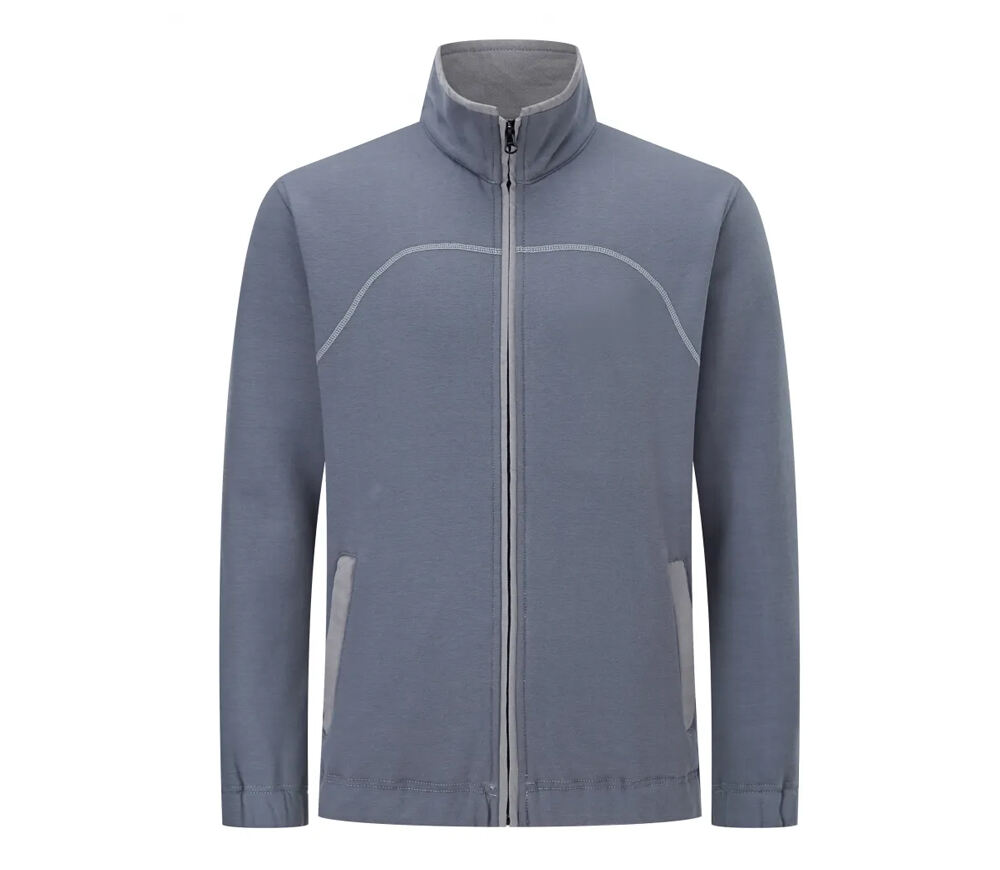
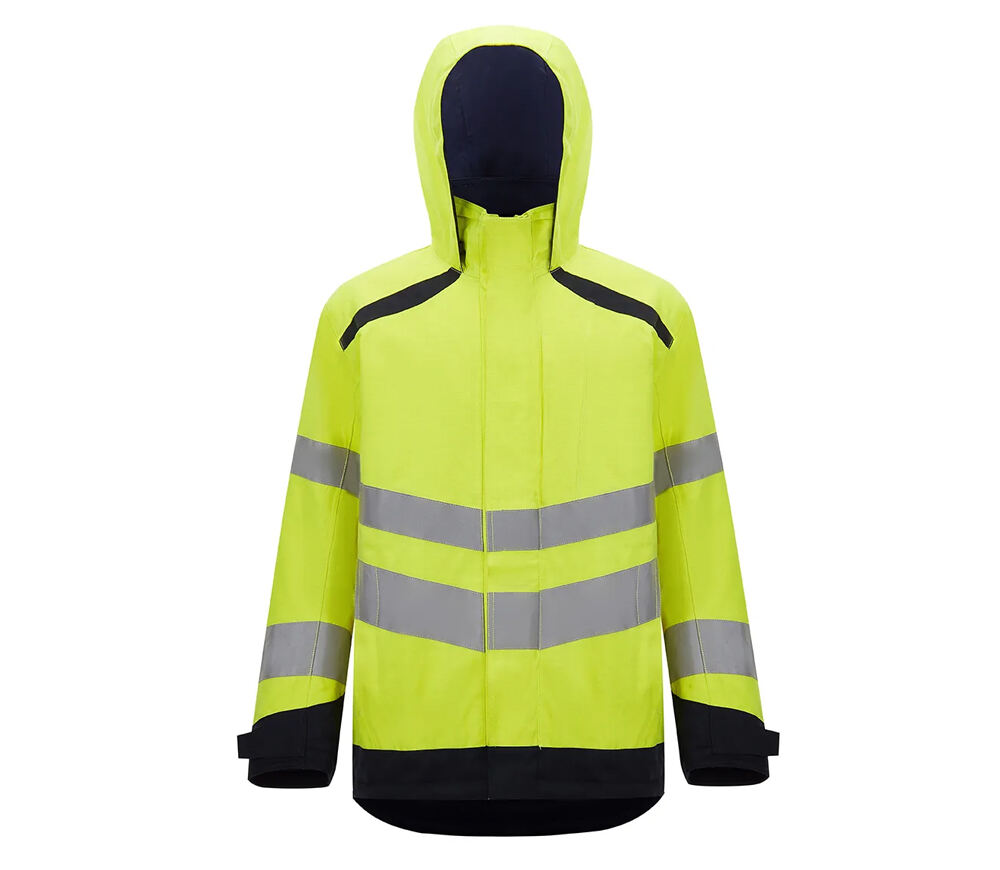
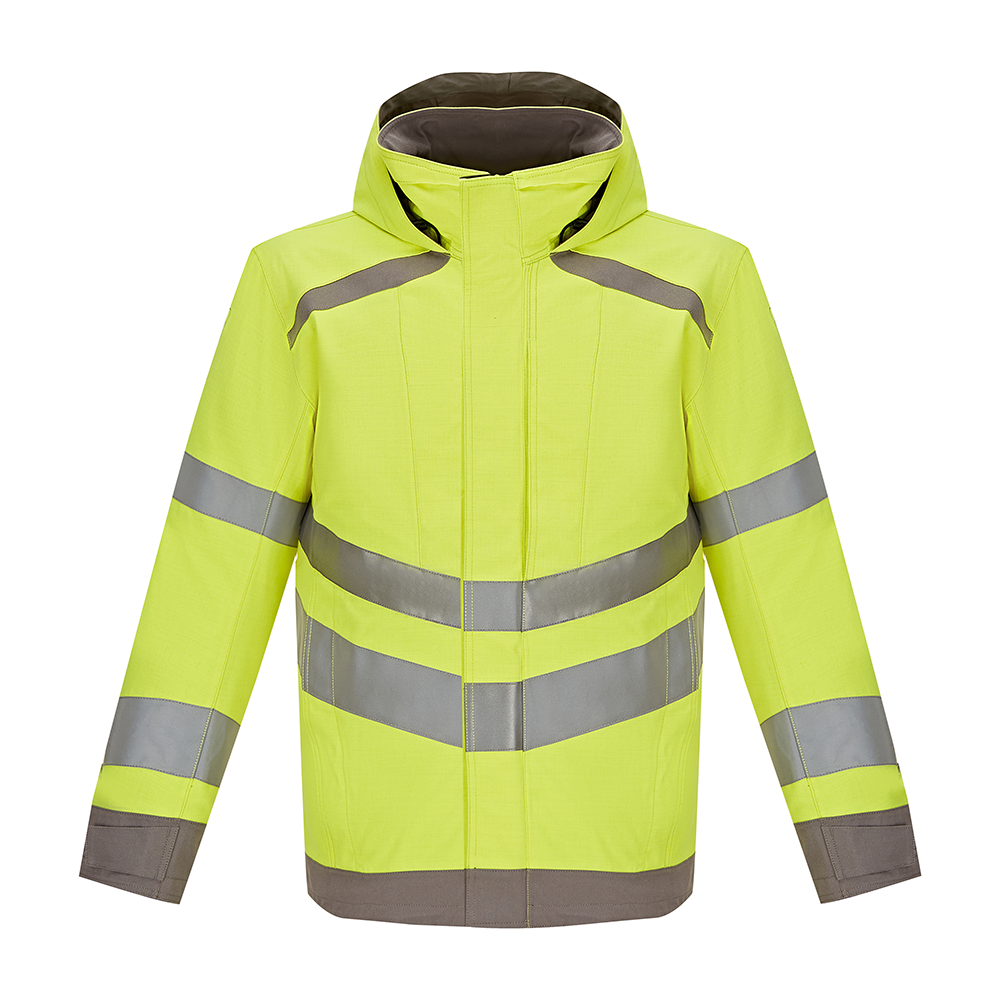
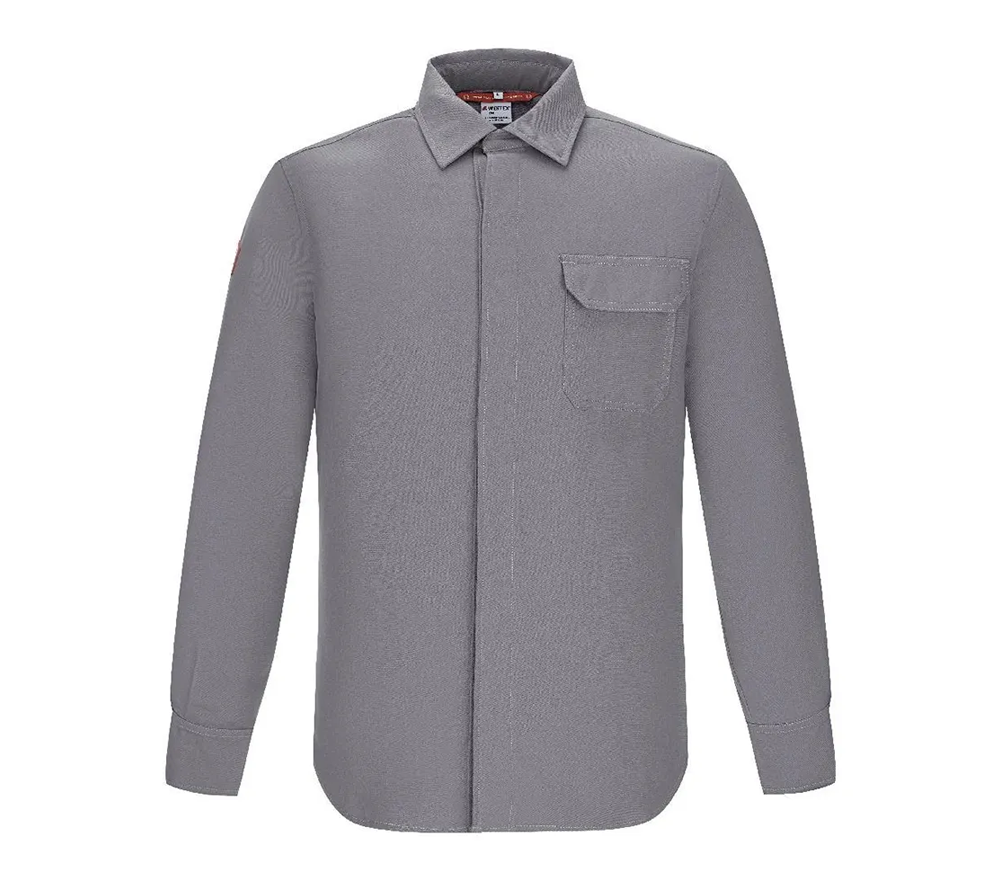
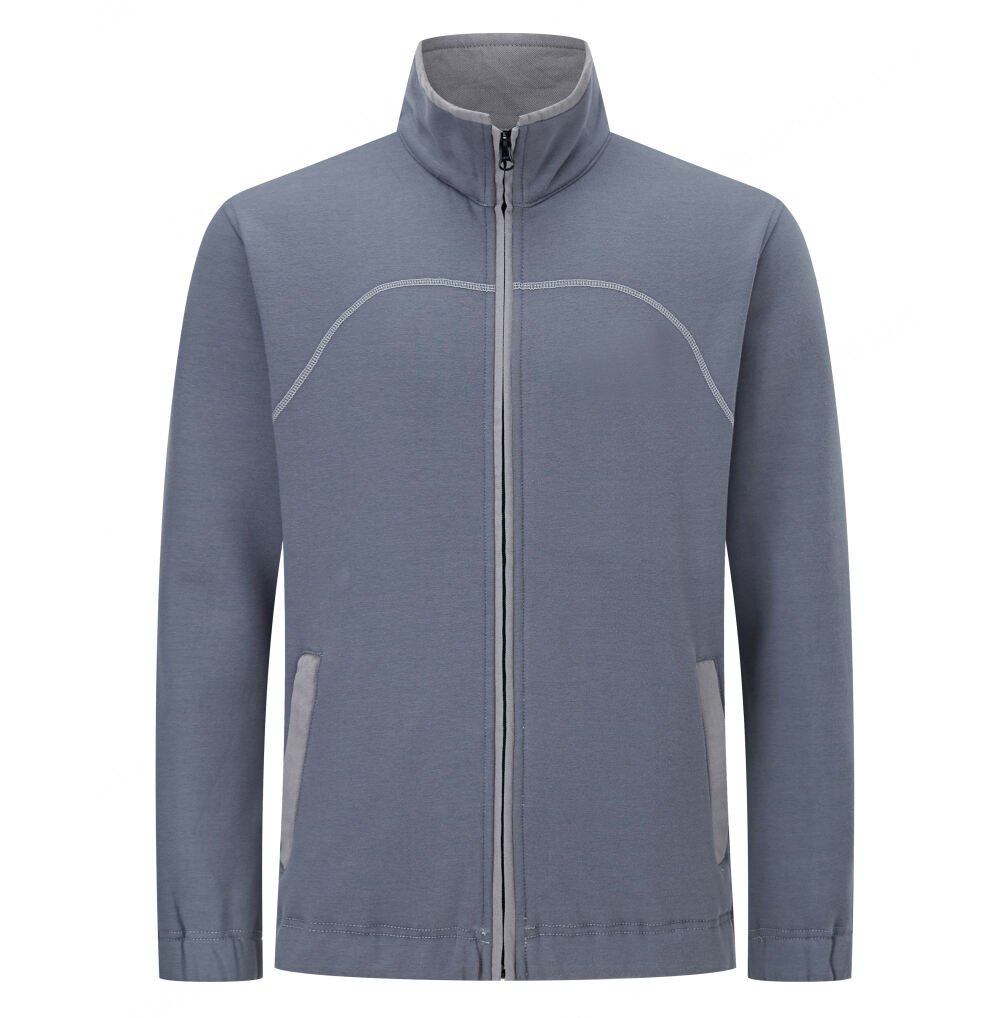
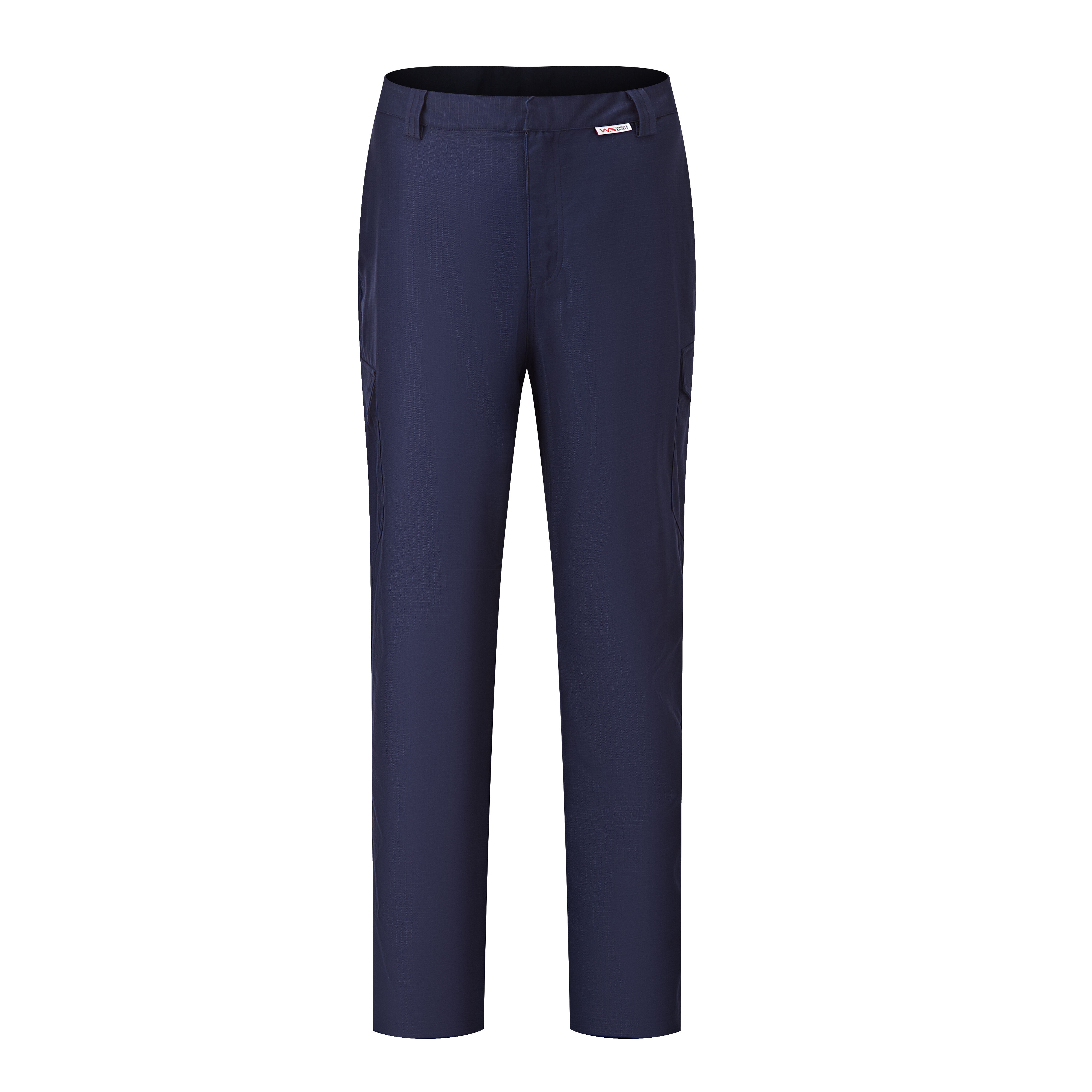
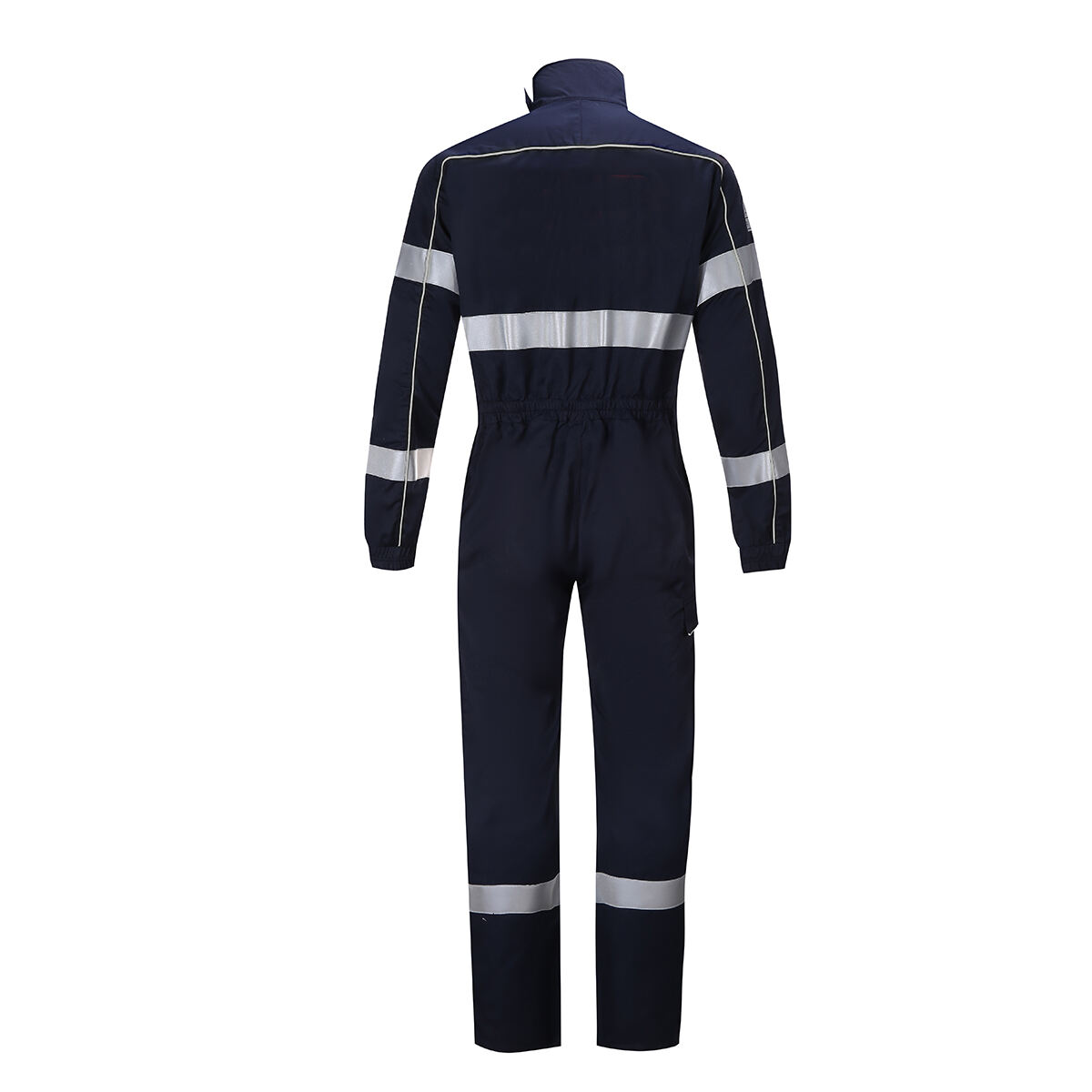
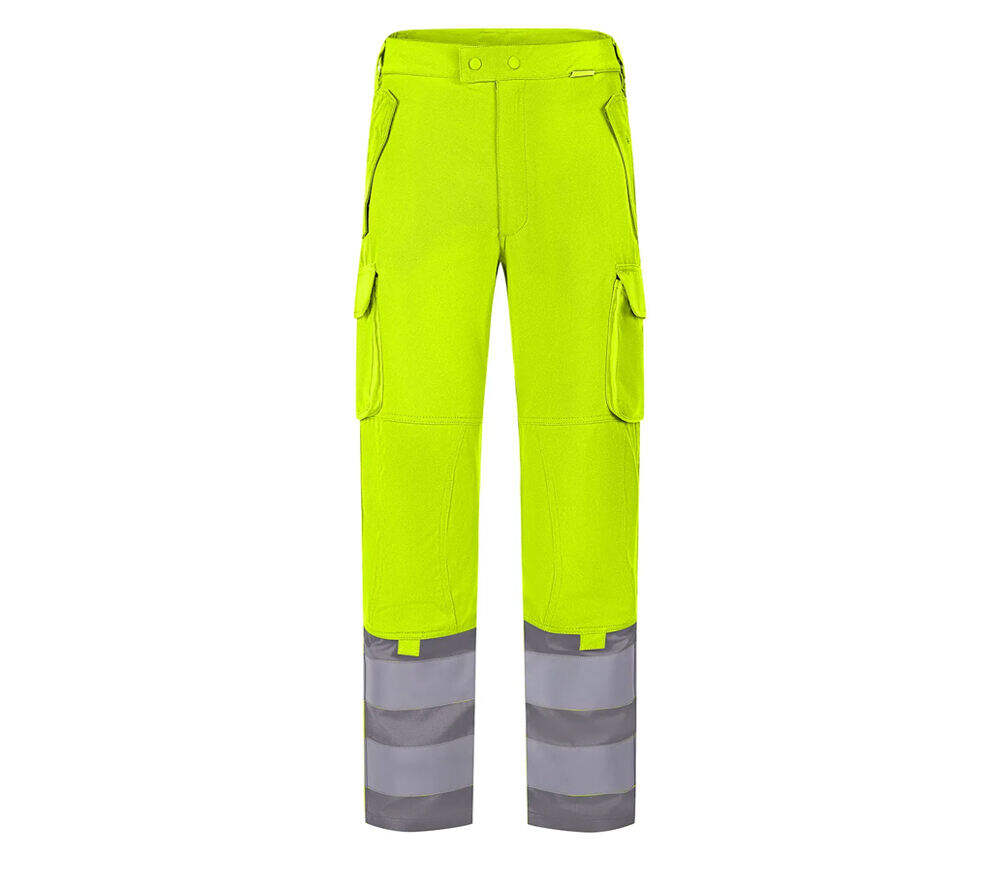
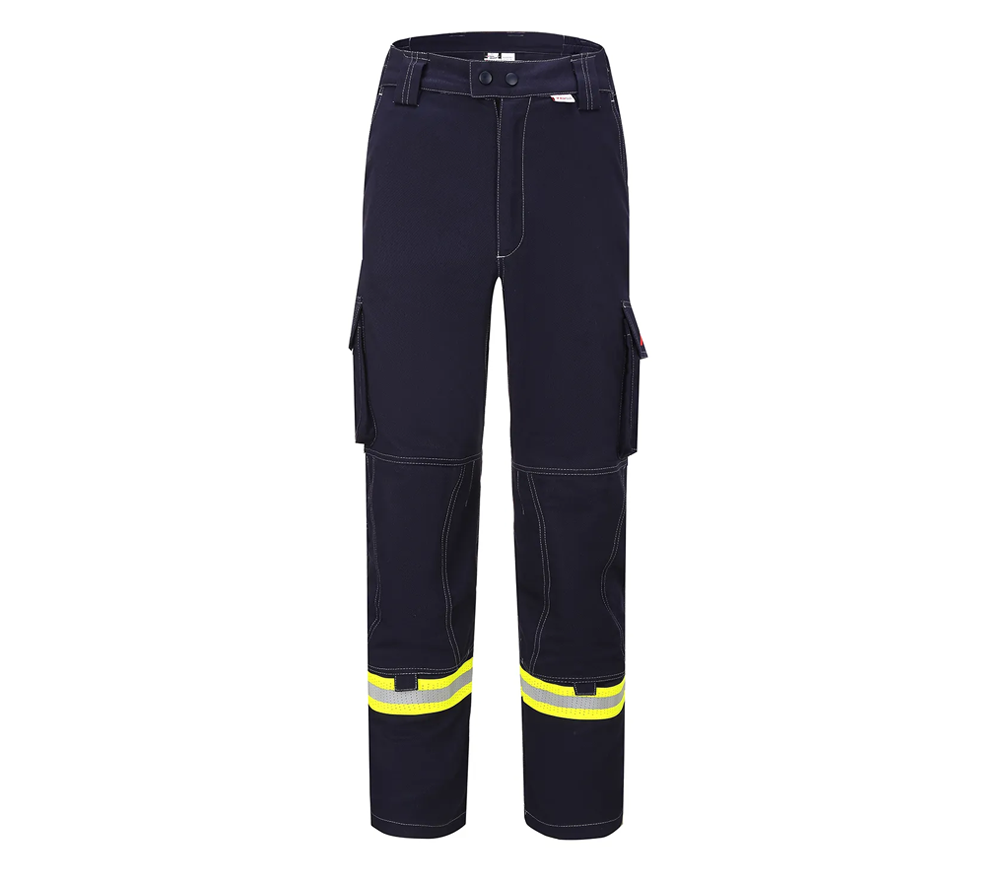
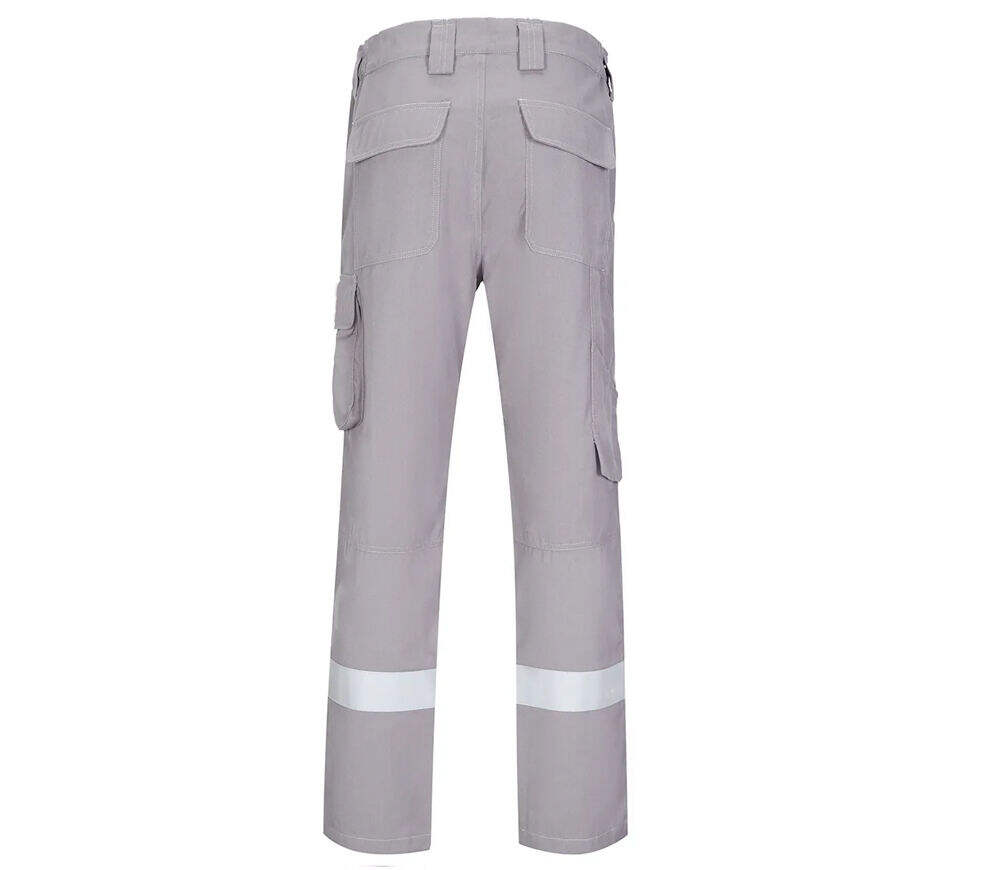
When it comes to high visibility clothing, the choice between lightweight and heavy - duty options depends on the specific needs and requirements of the workplace. Both types of high visibility clothing have their own advantages and disadvantages, and understanding these differences is crucial for making the right decision.
Lightweight high visibility clothing is designed with comfort and ease of movement in mind. It is typically made from thin, breathable fabrics such as polyester blends or mesh materials. These fabrics allow for better air circulation, keeping the wearer cool and comfortable, especially in hot and humid weather conditions. Lightweight high - visibility vests, for example, are a popular choice for workers who need to be highly visible but also need to move freely, such as traffic controllers, warehouse workers, and event staff. The lightweight nature of these vests makes them easy to wear for long periods without causing excessive fatigue.
Another advantage of lightweight high visibility clothing is its versatility. It can be easily worn over regular work clothes, allowing workers to quickly adapt to different work environments or tasks. For instance, a worker may start the day in a regular shirt and pants and then put on a lightweight high - visibility vest when they need to work in an area with moving vehicles or machinery. Lightweight high visibility clothing is also often more affordable than heavy - duty options, making it a cost - effective choice for businesses with budget constraints.
However, lightweight high visibility clothing may not be as durable as heavy - duty options. The thin fabrics used may be more prone to tears, abrasions, and wear and tear with repeated use. In industries where workers are exposed to rough surfaces, sharp objects, or heavy machinery, lightweight high visibility clothing may not provide sufficient protection against damage. Additionally, the reflective strips or patches on lightweight high visibility clothing may not be as robust as those on heavy - duty options, potentially reducing their visibility over time.
Heavy - duty high visibility clothing, on the other hand, is built to withstand harsh conditions and repeated use. It is made from thick, durable materials such as heavy - duty cotton, nylon, or specialized synthetic fabrics. These materials offer excellent resistance to abrasion, punctures, and tears, making them ideal for industries where workers are exposed to rough environments and potential hazards. For example, in the construction, mining, and oil and gas industries, workers need heavy - duty high visibility clothing to protect their clothing and themselves from dirt, grease, and potential injuries.
Heavy - duty high visibility clothing also tends to have more robust reflective strips or patches. These reflective elements are often larger and more durable, ensuring that the wearer remains highly visible even in challenging lighting conditions. The construction and design of heavy - duty high visibility clothing are also more focused on providing long - lasting protection and visibility. However, the main drawback of heavy - duty high visibility clothing is its weight. The thick materials used can make the clothing heavy and cumbersome to wear, especially for extended periods. This can lead to fatigue and discomfort for the wearer, potentially affecting their productivity and overall well - being.
In conclusion, the choice between lightweight and heavy - duty high visibility clothing should be based on a careful assessment of the workplace hazards, the nature of the work, and the comfort needs of the workers. In some cases, a combination of both types of high visibility clothing may be the best solution, with lightweight options for less demanding tasks and heavy - duty options for more hazardous work.
 EN
EN