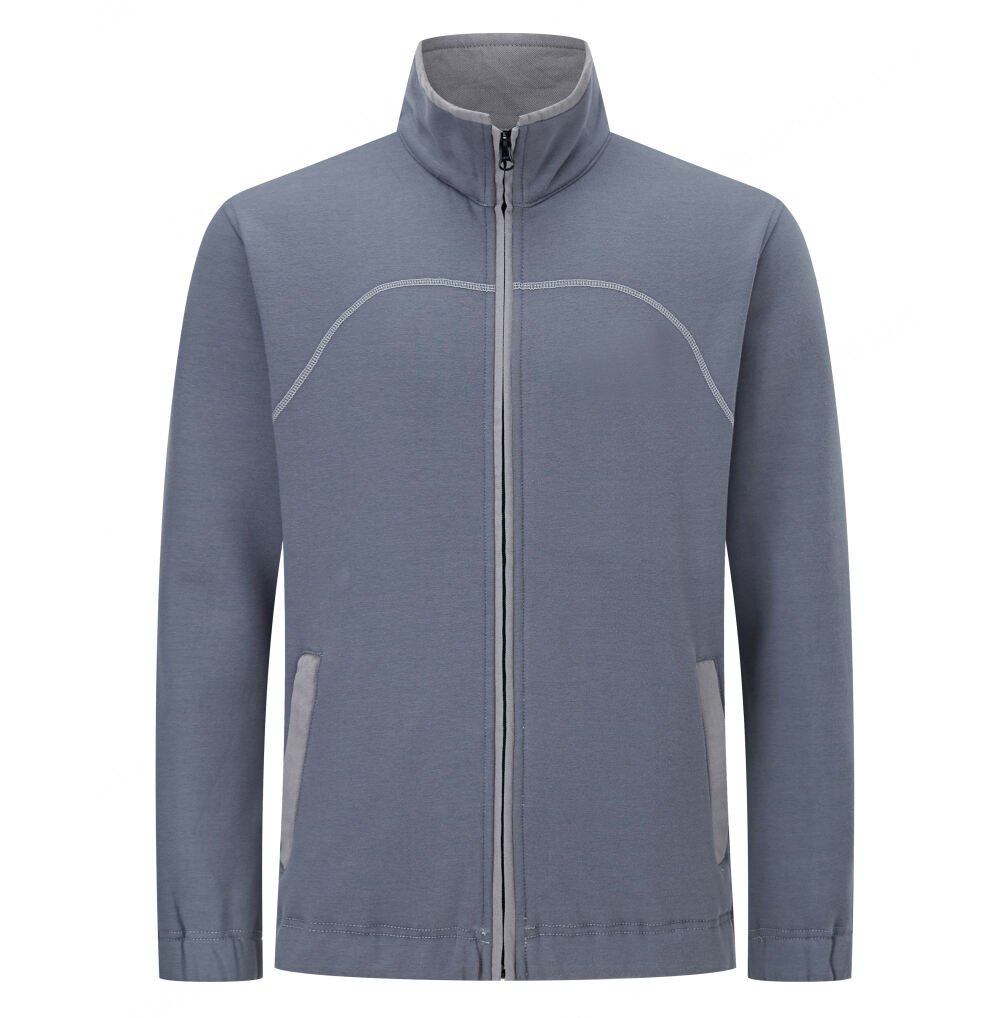
Flame - resistant and non - flame - resistant high - visibility clothing serve different purposes and are used in different work environments. Understanding the differences between the two is crucial for ensuring the safety of workers.
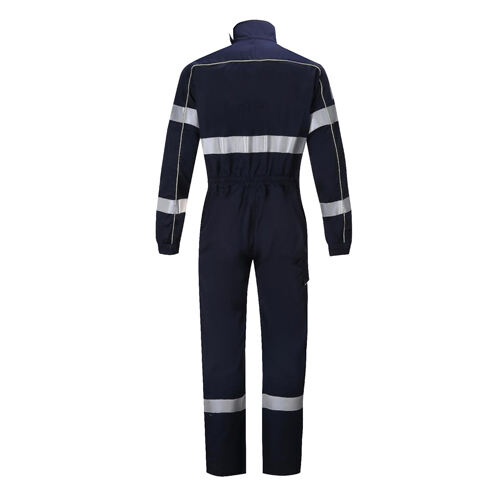
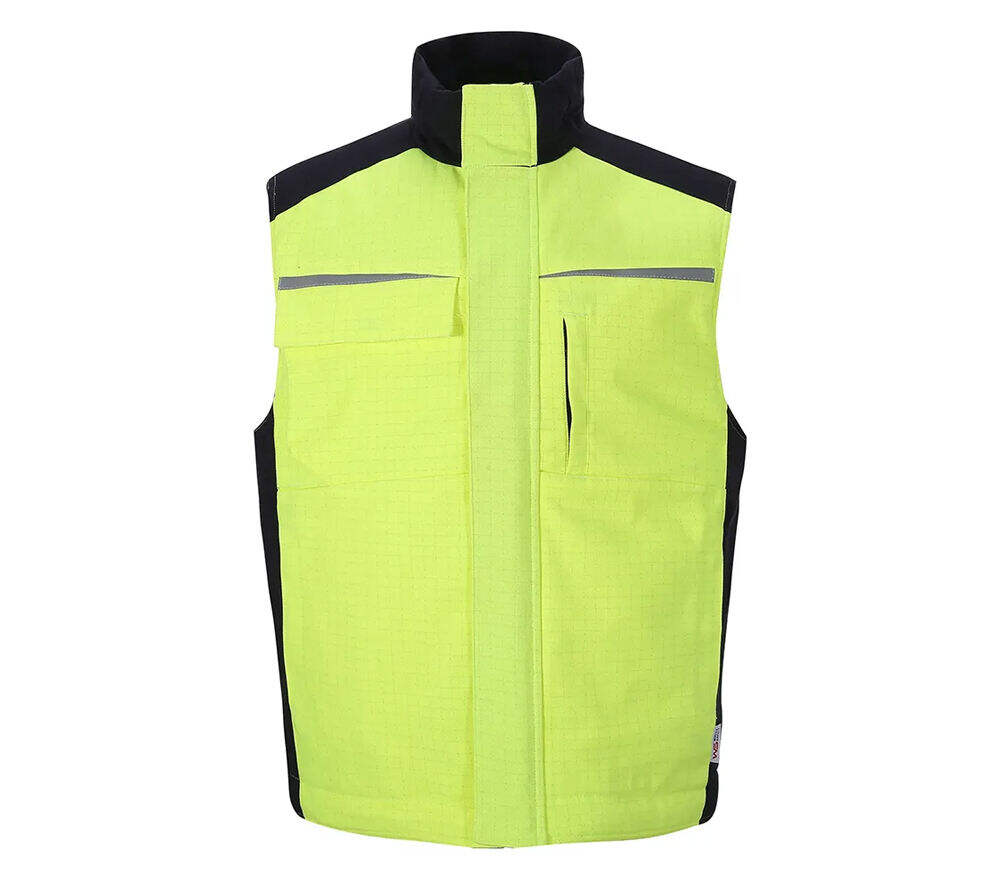
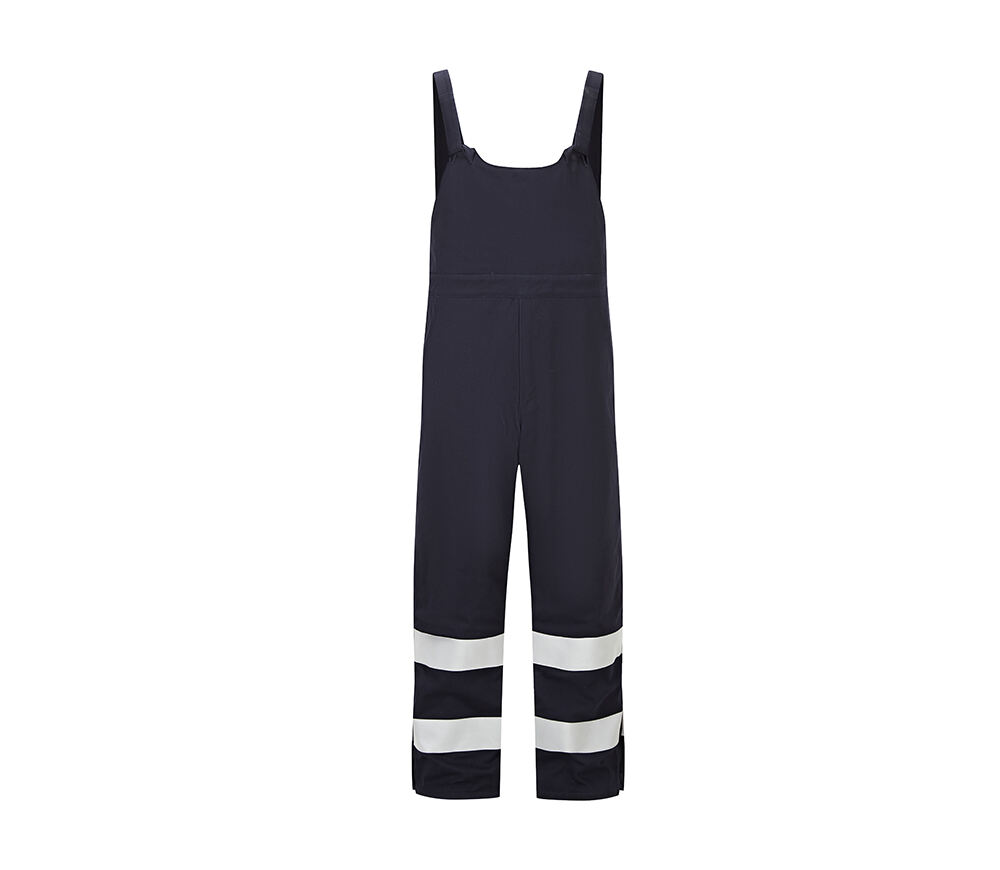
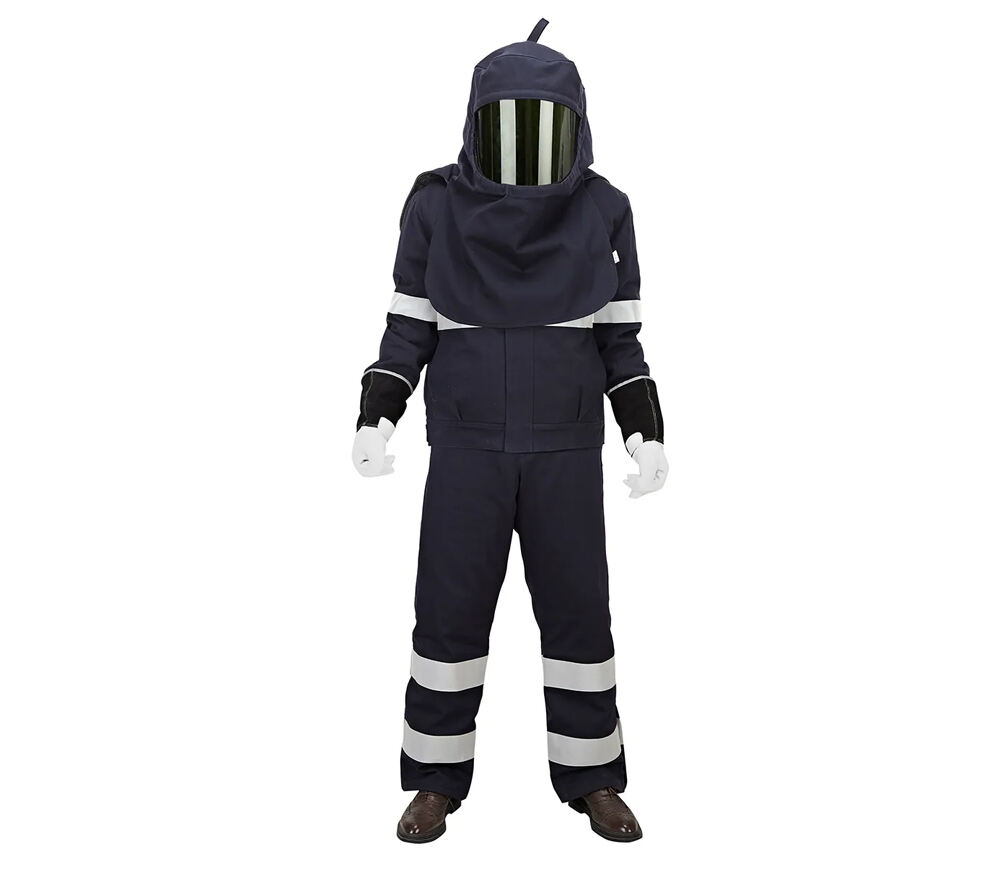
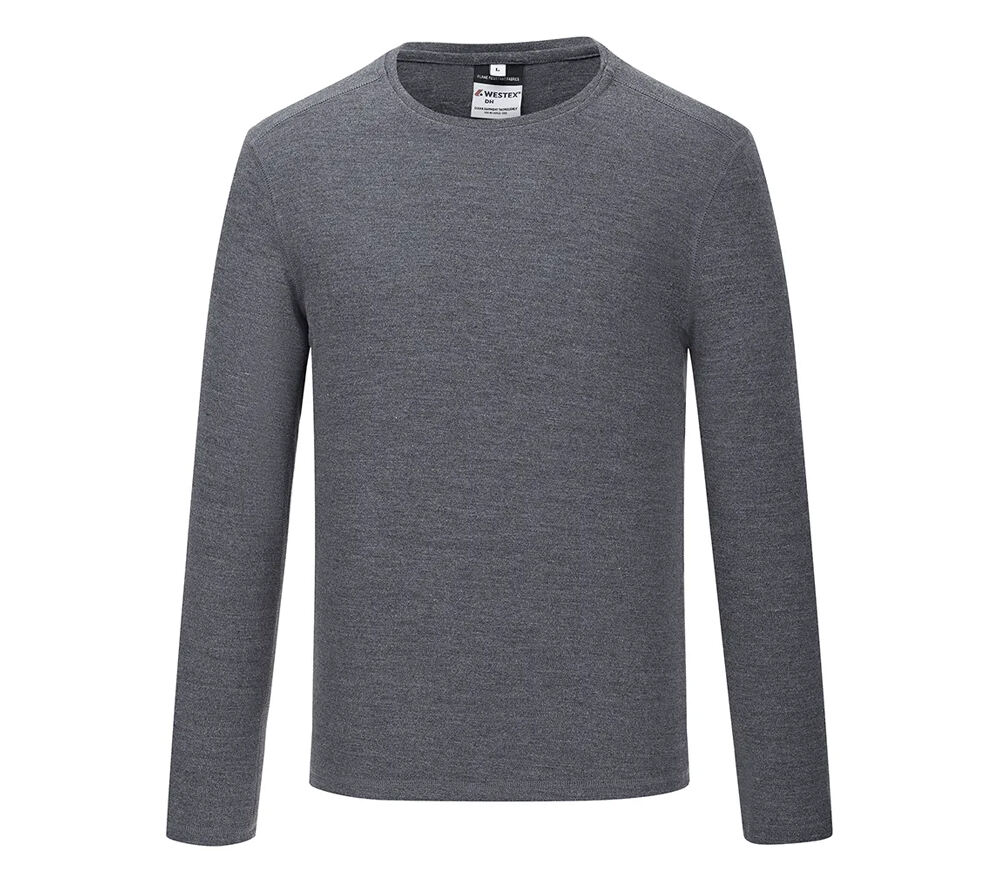
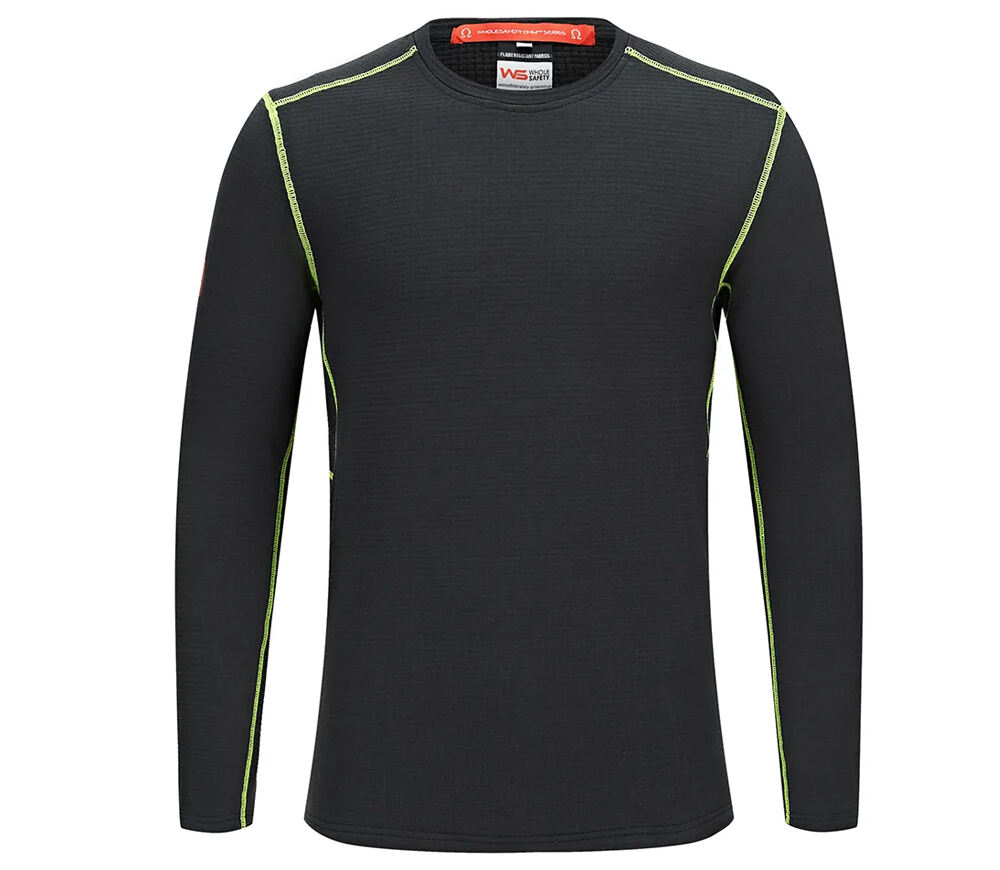
Flame - resistant high - visibility clothing is designed to protect workers from both flames and heat while also providing high visibility. It is commonly used in industries where there is a risk of fire or exposure to high - temperature environments, such as oil and gas, welding, and electrical work. These garments are made from special materials that have been treated or engineered to resist ignition and self - extinguish when exposed to flames. The materials used in flame - resistant high - visibility clothing are also designed to withstand high temperatures without melting or dripping, which can cause further burns to the wearer.
In addition to its flame - resistant properties, flame - resistant high - visibility clothing still maintains the high - visibility features required for safety. It is made from fluorescent materials and features reflective strips or patches to ensure that the wearer is easily seen in low - light conditions. This combination of flame resistance and high visibility makes flame - resistant high - visibility clothing an essential piece of PPE for workers in hazardous environments.
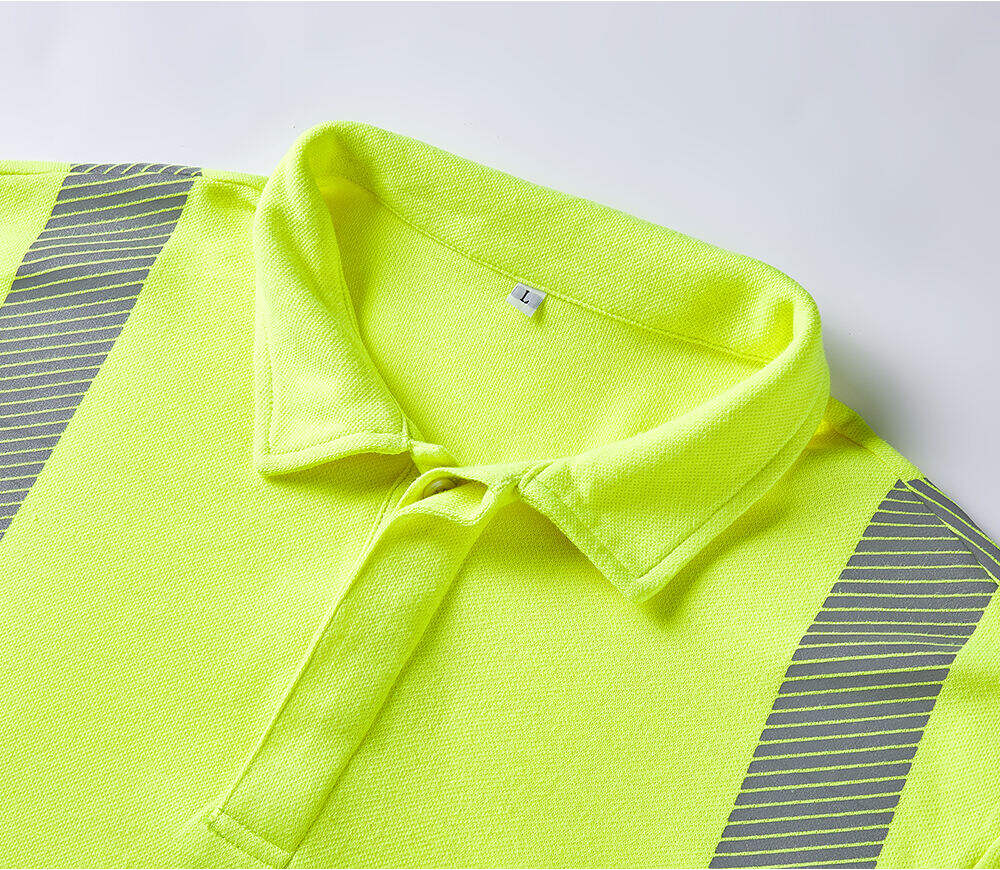
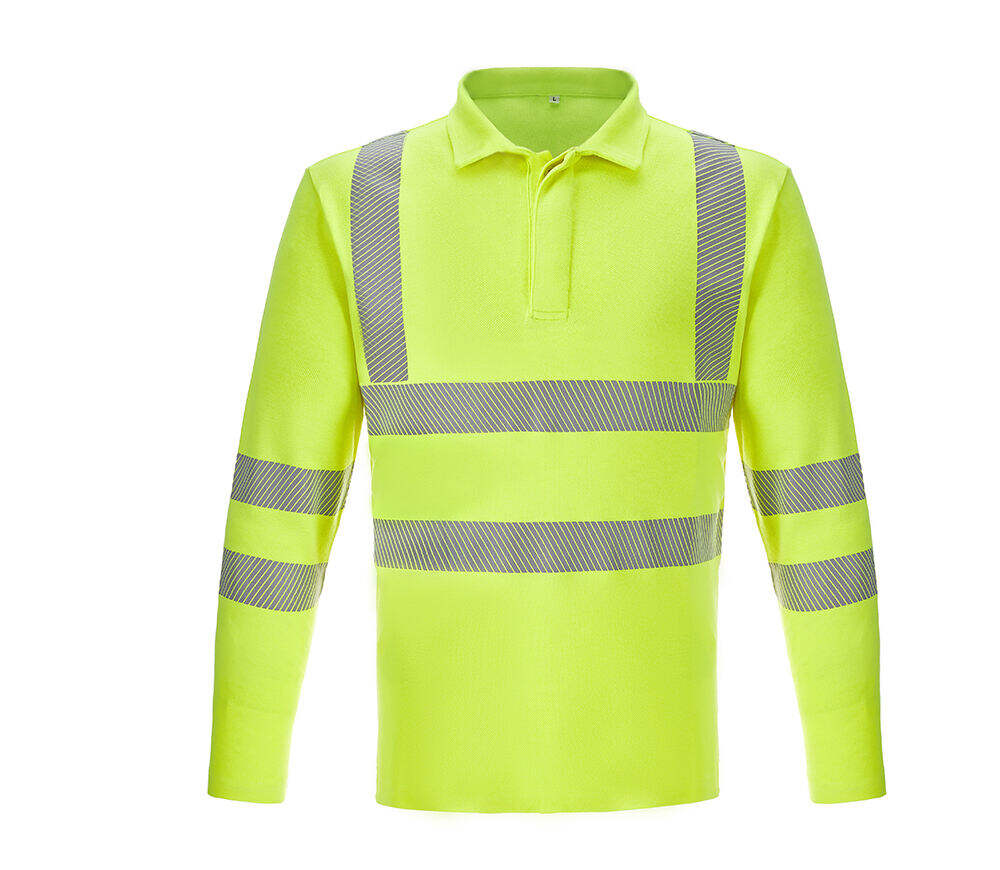
Non - flame - resistant high - visibility clothing, on the other hand, is primarily designed to enhance the wearer's visibility. It is commonly used in industries where the main risk is being struck by vehicles or machinery, rather than exposure to flames. These garments are made from regular high - visibility materials that do not have flame - resistant properties. While they provide excellent visibility, they do not offer protection against fire or high temperatures.
The choice between flame - resistant and non - flame - resistant high - visibility clothing depends on the specific hazards present in the workplace. If there is a risk of fire or exposure to high temperatures, flame - resistant high - visibility clothing is necessary to protect the worker. In situations where the main concern is visibility, non - flame - resistant high - visibility clothing may be sufficient. However, it is important to conduct a thorough risk assessment to determine the appropriate type of high - visibility clothing for the workplace.
In conclusion, flame - resistant and non - flame - resistant high - visibility clothing have different functions and are used in different work environments. Selecting the right type of high - visibility clothing is essential for ensuring the safety of workers in the workplace.