ANSI Class 2 vs Class 3 High Visibility Gear: Which Is Right?

Get a Free Quote

Our representative will contact you soon.
Email
Mobile/WhatsApp
Name
Company Name
Message
0/1000

Differences Between Class 2 and Class 3 High Visibility Gear

As previously said, we all wear protective gear such as hard hats, safety glasses, safety vests, gloves, and steel-toed shoes, which protect us from a lot of injuries. But there are always new innovations that make these items more reliable and easier to use. This page will help you figure out what class of high visibility gear is appropriate for you without sacrificing safety in the workplace. Top Wholesafety (Shaanxi) Co. When it comes to personal protective equipment, they are the best in the industry since they have been in business for several years.
Get A Quote

Advantages of the product

Use of Bright Colors For Low Light Visibility.

The primary goal of our ANSI Class Two v high visibility gear is to provide protection even in situations of low light but where no class 3 requirements are warranted. By being vividly colored and using reflective fabrics, it makes certain that persons working at such times can still be seen while ensuring comfort.

Related products

The American National Standards Institute (ANSI) sets guidelines for the design and performance of high - visibility clothing to ensure the safety of workers in various industries. ANSI class 2 and class 3 high visibility gear are two of the most common classifications, each with its own specific requirements and intended use.

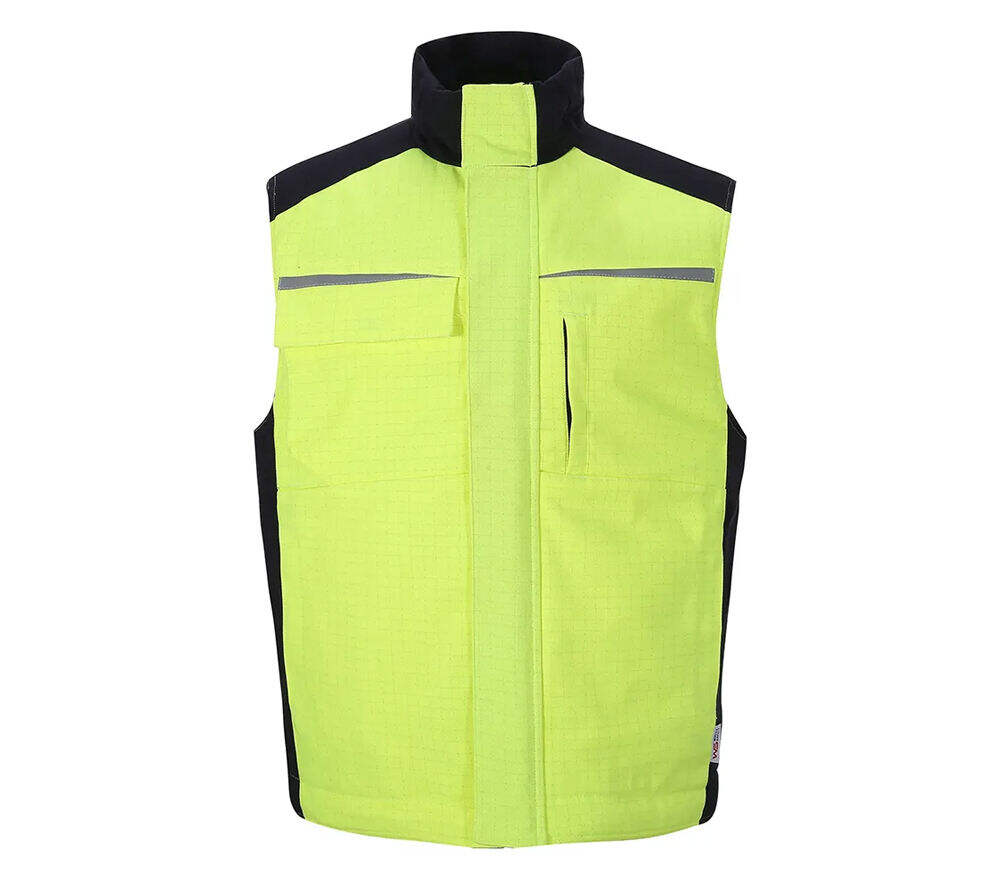
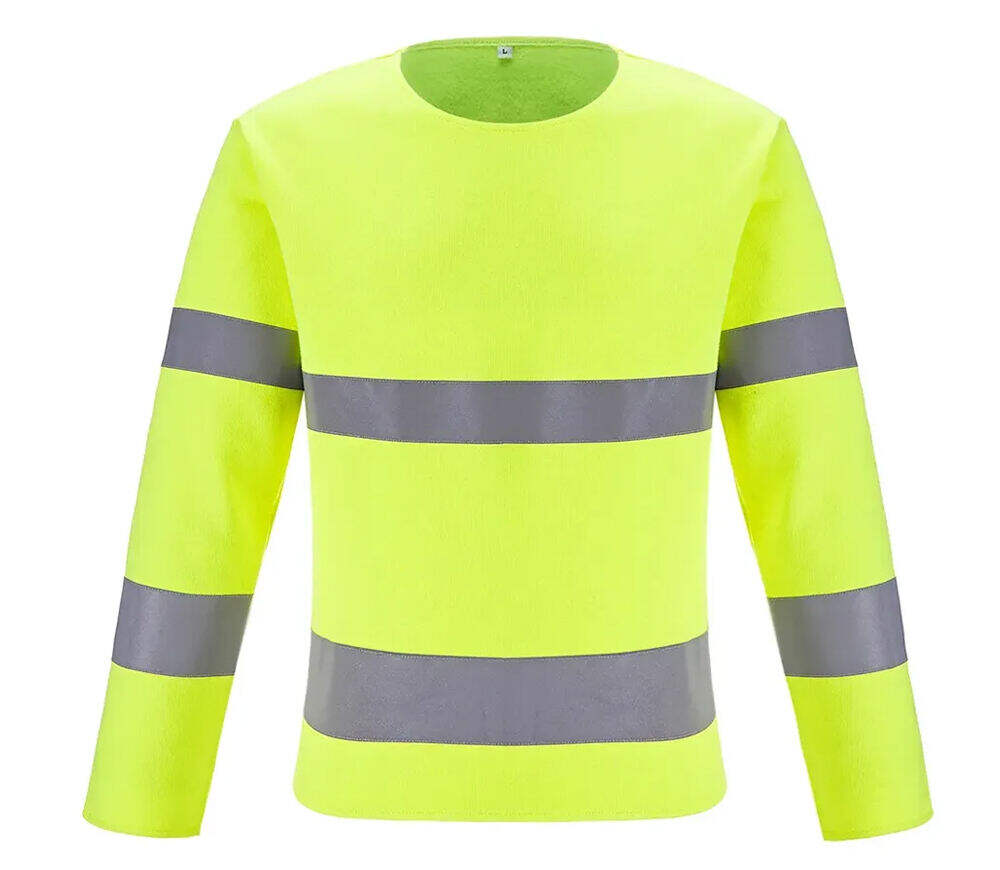
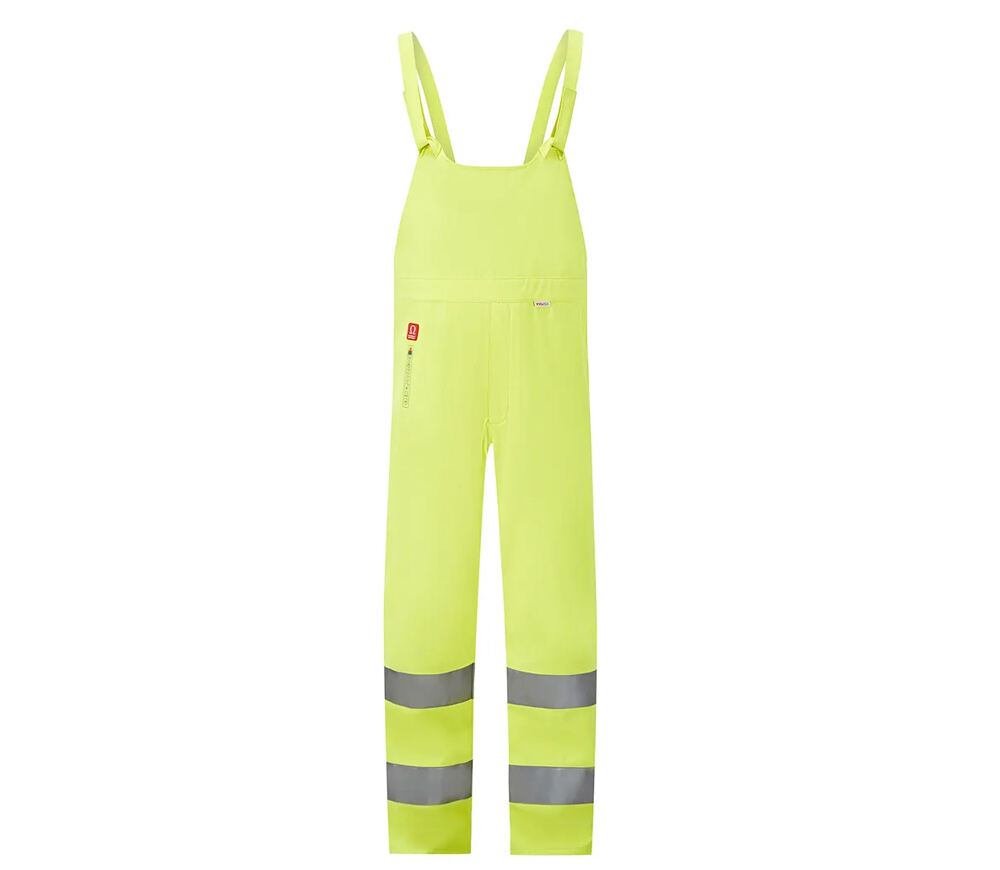
 ANSI class 2 high visibility gear is designed for workers who need to be visible in situations where there is a significant amount of background complexity and where the worker needs to be seen from a distance of at least 1280 feet. This class of gear is typically used in work zones where traffic speeds are less than 25 mph, such as parking lots, school zones, and some construction sites with low - speed traffic. Class 2 high visibility gear includes items such as vests, shirts, and jackets. These garments must have a minimum of 775 square inches of background material and 201 square inches of reflective material. The background material is usually a bright fluorescent color, such as yellow, orange, or lime green, and the reflective material is applied as strips or patches to the garment.

 The reflective strips on ANSI class 2 high visibility gear must be at least 1.375 inches wide and must be placed in specific locations on the garment to ensure maximum visibility. For example, vests must have reflective strips on the front and back, as well as on the shoulders. The design of class 2 gear is focused on providing a good balance between visibility and comfort, allowing workers to move freely while still being easily seen.

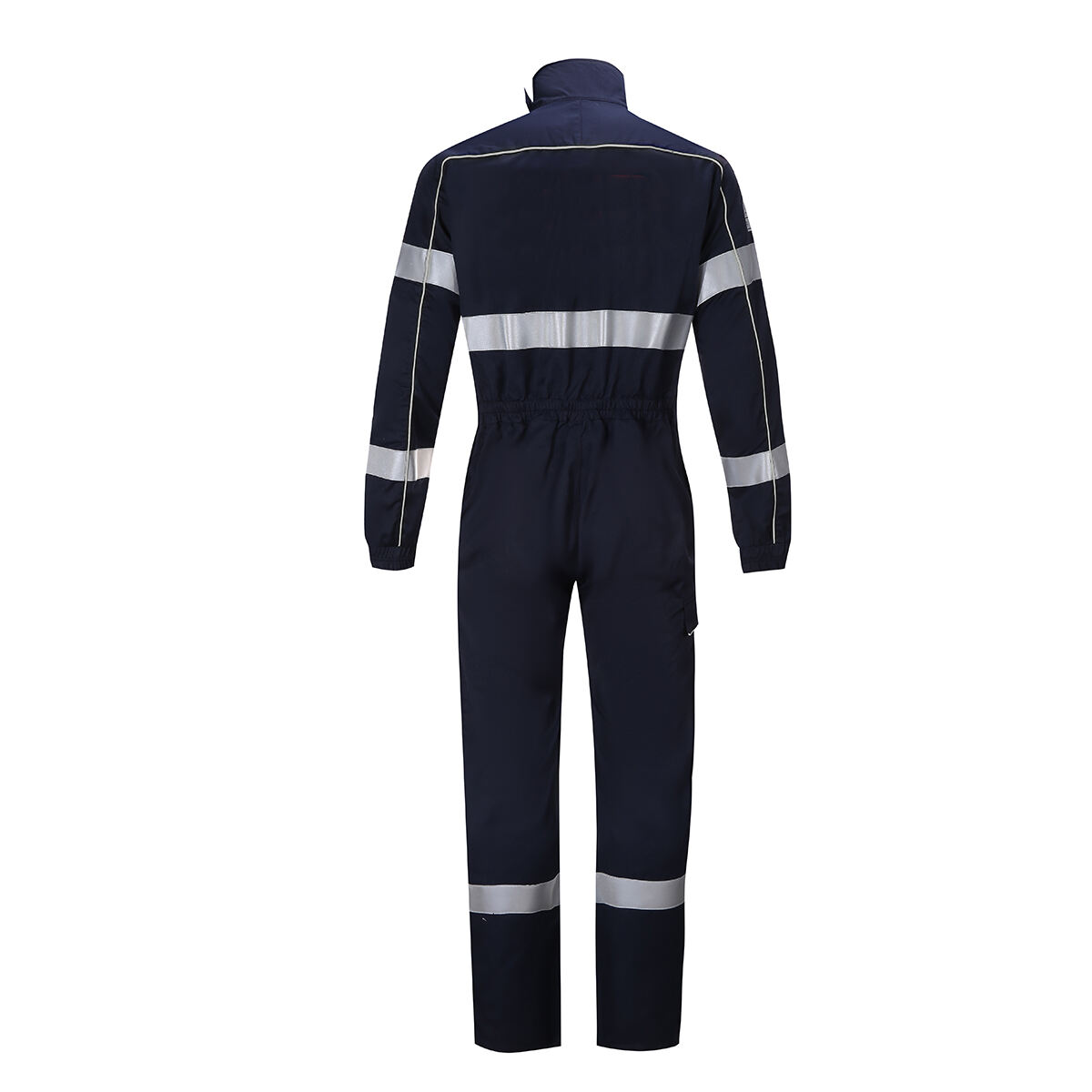
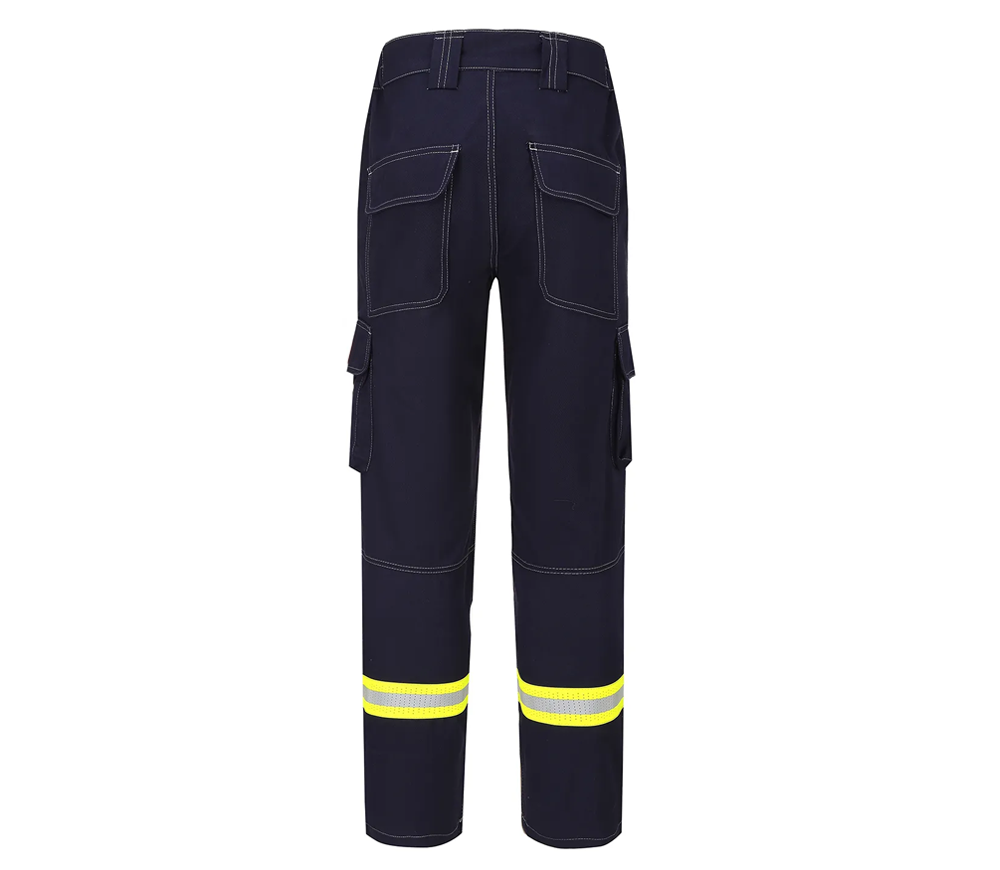
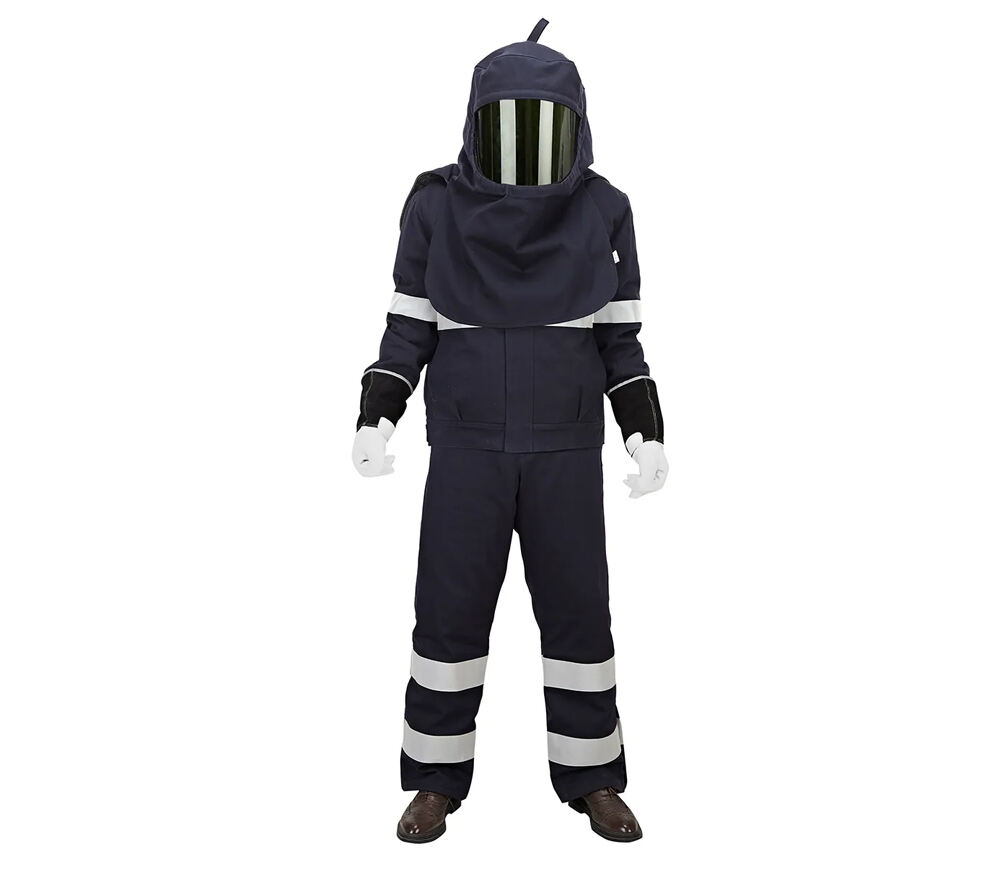
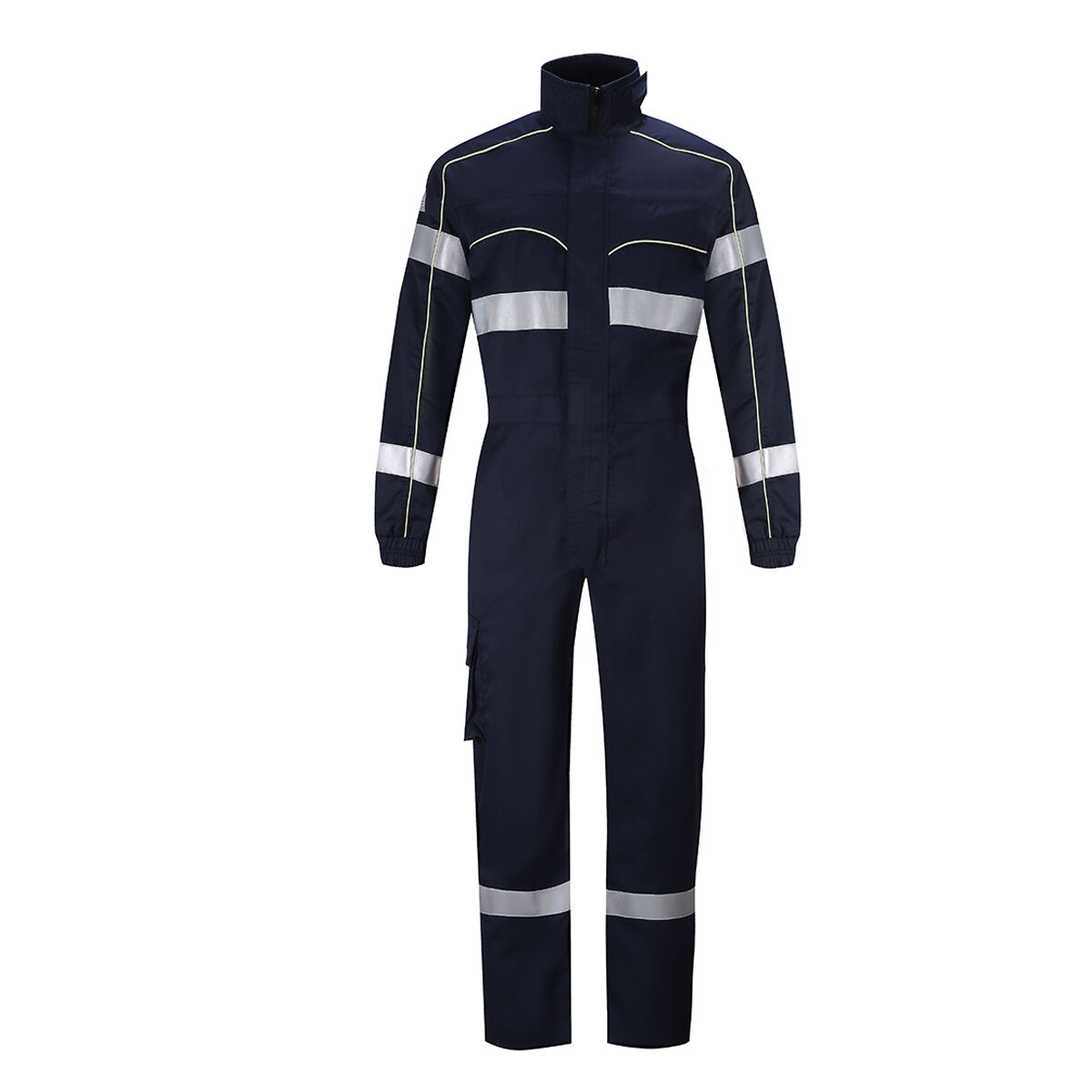
 ANSI class 3 high visibility gear, on the other hand, is designed for workers who need to be highly visible in situations where there is a high level of background complexity and where the worker needs to be seen from a distance of at least 1280 feet, even in low - light conditions. This class of gear is typically used in work zones where traffic speeds are greater than 25 mph, such as highways and major roads. Class 3 high visibility gear includes items such as full - body suits, jackets with sleeves, and pants with reflective stripes. These garments must have a minimum of 1240 square inches of background material and 310 square inches of reflective material.

 The reflective strips on ANSI class 3 high visibility gear are wider than those on class 2 gear, typically at least 2 inches wide. They must also be placed in more prominent locations on the garment, such as around the arms, legs, and torso, to provide 360 - degree visibility. The design of class 3 gear is more substantial than class 2 gear, providing greater coverage and visibility to workers in high - risk environments.

 In addition to the differences in the amount of background and reflective material, ANSI class 3 high visibility gear may also have additional features, such as reflective tape on the sleeves and legs, to enhance visibility. It is also often made from more durable materials to withstand the harsh conditions of high - speed work zones.

 When selecting high visibility gear, it is important to consider the specific requirements of the work environment and the traffic conditions. Workers in high - speed traffic areas should wear ANSI class 3 high visibility gear, while those in lower - speed areas may be able to use class 2 gear. Employers are responsible for ensuring that their workers wear the appropriate ANSI - compliant high visibility gear to meet safety regulations and protect their workers from accidents.

 In conclusion, ANSI class 2 and class 3 high visibility gear are designed to meet different visibility needs in various work environments. Understanding the differences between these two classes is crucial for ensuring the safety of workers in high - risk areas.

Frequently Asked Questions

When to properly Utilize Class 2 and Class 3 High Visibility Gears?

Class 2 is appropriate for less busy areas with minimal visibility requirements. On the other hand, Class 3 goes beyond Class 2 by offering protection in high-risk areas which may pose road, or construction hazards.

Related Articles

The Importance of Testing and Certification for PPE Garments

16

Jan

The Importance of Testing and Certification for PPE Garments

When it comes to personal protective equipment (PPE) the reliability and security of the clothing is vital. Testing and certification are integral parts of the life cycle of PPE and protect construction workers’ health. The significance of the ...
View More
The Growing Demand for Customized Arc Flash Gear

16

Jan

The Growing Demand for Customized Arc Flash Gear

Over the past few years, the market for arc flash equipment has exploded. The explosion in the customization of arc flash gear stems from the enhanced comprehension of workplace hazards and the necessity for specialized industry solutions. An arc fla...
View More
Why FR Pants Are Essential for Workers in Hazardous Environments

16

Jan

Why FR Pants Are Essential for Workers in Hazardous Environments

The industry of protective gear has Arc Underwear as a useful addition since they not only add comfort to the user but offer protection in a range of activities. Due to the materials and the technology used in the Arc Underwear, it is specifically ma...
View More
Understanding the Standards for PPE Garments in Various Industries

16

Jan

Understanding the Standards for PPE Garments in Various Industries

Across nearly all sectors, Personal Protective Equipment (PPE) has been employed to protect the employees of an organization. It is important to know the requirements needed for these garments as this has implications for safety and other factors suc...
View More

Customer Reviews

Mark Thompson

“We purchased Class 3 and it truly is on another level. Visibility is great and my team feels much more secure while working. Definitely recommend it!”

Get a Free Quote

Our representative will contact you soon.
Email
Name
Company Name
Message
0/1000
Being In Accord with Safety Regulations

Being In Accord with Safety Regulations

The high-visibility equipment that we provide is compliant with the ANSI safety standards to ensure that your workforce is protected and the associated risks are minimized.
Customized Options for Varied Industries

Customized Options for Varied Industries

All industries are different and so their needs. We provided high visibility equipment for areas such as military, firefighting, and construction, expertise in seeing the details of improvement for the protection and performance needed.
Ergonomically Designed for Enhanced Usability

Ergonomically Designed for Enhanced Usability

We take into account that comfort factor as well as clothing functionality which is why the gear that we have is easy to use and lightweight allowing workers to execute their chores without compromising on safety.