 EN
EN

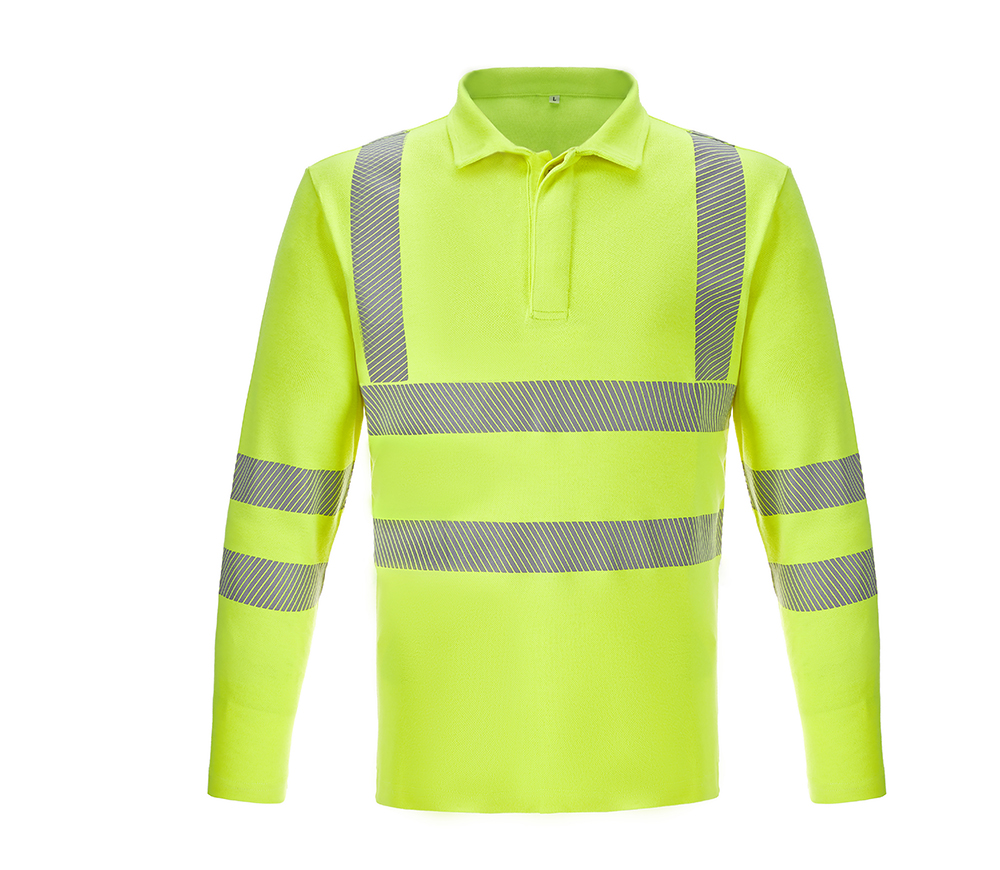
Advanced Material Technology: Redefining Protection and Comfort
The latest advances in personal protective equipment now blend different density foams together with materials that fight off microbes, giving about 18% better protection against impacts according to a study from Occupational Safety Journal back in 2023. These new materials can stand up to chemicals even when workers are exposed to tough conditions on site. When it comes to meeting those ASTM F1671 requirements for bloodborne pathogens, these modern materials stop fluids from getting through at around 99.9% effectiveness rate. That makes all the difference for folks working in hospitals or factories where exposure risks are high. And let's not forget about comfort either. The breathable fabrics wick away sweat and have tiny holes placed just right across them, cutting down heat stress problems by roughly 34%. Workers in mines and construction sites can actually stay comfortable throughout their long 12 hour days without constantly feeling hot and sweaty.
A big part of what's making the industry go green these days comes down to plant based polymers and fabrics made from recycled materials. Looking at the numbers from the Circular Materials Report released in 2024, around 42 percent of all new personal protective equipment material patents filed last year were for these kinds of sustainable options. The improvements we're seeing don't just help keep workers safe but also line up nicely with companies trying to meet their environmental goals. We're talking about safety gear that actually works well in tough conditions too it can handle really hot or cold environments and still perform after repeated use without breaking down.
Smart PPE and Digital Integration: Leading the Technological Transformation
Real-Time Monitoring with Sensor-Embedded Smart PPE for Enhanced Workplace Safety
Industrial safety gear with built-in sensors is changing how workers stay protected on job sites across the country. Take helmets for example these days they come with gas sensors that pick up dangerous chemicals in the air. Smart vests are also becoming common place tracking things like heart rates and body temps which helps cut down heat related injuries by around 37 percent according to Ponemon's research from last year. The data from all these gadgets gets sent to central systems where it triggers warnings if something goes wrong. On construction sites specifically, newer helmet models now have impact detectors plus wireless features that let crews respond faster to accidents. One study found response times dropped nearly half with this kind of tech in action.
IoT and Wearable Technology Enabling Predictive Hazard Detection
IoT-connected PPE creates intelligent safety ecosystems that anticipate risks before they escalate:
| Technology | Function | Industry Impact |
|---|---|---|
| Wearable gas sensors | Detect combustible leaks | Reduces explosion risks in oil/gas |
| RFID-tagged gloves | Track equipment proximity | Lowers struck-by incidents in manufacturing |
| Motion-sensitive boots | Alert for slips/falls | Prevents 29% of warehouse injuries |
As outlined in the 2024 NFPA 70E guidelines, these systems can predict electrical arc flash events 8–12 seconds in advance, allowing for timely intervention.
AI-Driven Data Analytics for Proactive PPE Management and Compliance
Smart PPE sensors paired with machine learning algorithms can predict when equipment needs maintenance and spot early warning signs that workers might be getting too tired for safe operations. According to the latest Workplace Safety Report from 2024, companies that have implemented these AI systems see around 40% reduction in OSHA infractions compared to traditional methods, plus their staff follows PPE protocols about 60% more consistently. What we're seeing now is protective gear transforming from passive items into active safety tools that adjust as situations change on site. This not only keeps workers safer day to day but also helps employers manage workplace risks more effectively across their entire operation.
Ergonomic and Personalized Design: Improving Compliance and Performance
Human-Centered Design for Diverse Workforces and Improved PPE Adherence
Designing protective gear with actual people in mind makes all the difference when it comes to getting folks to actually wear their PPE consistently across different groups. According to research from the Ergonomic Compliance Study last year, PPE that can be adjusted or customized cut down on people not wearing them by about 42 percent compared to those generic one size fits none options we've all seen before. Features like adjustable straps, breathable mesh areas, and sizes that fit various body shapes really matter. Plus there are these antimicrobial liners inside that help prevent skin problems which turns out is why around a third of workers stop using their gear altogether according to Workplace Safety Journal back in 2022. What's interesting here is how this matches up perfectly with what OSHA has been pushing for ages now - equipment that workers actually want to put on instead of just tolerating. Take manufacturing for instance where gloves with better grip contours helped workers finish tasks 28% quicker during those long repetitive jobs everyone hates.
Custom-Fit Solutions Tailored to High-Risk Industry Needs
When working in dangerous environments such as fire departments or chemical plants, getting the right fit fast can mean the difference between safety and disaster. New custom molded respirators actually reach around 99.9% seal effectiveness, which works surprisingly well even when someone has stubble or old injuries on their face something that used to be a major problem for first responders. Down in mines, workers wearing harnesses connected to exoskeleton tech experience about half the usual muscle strain during those long overhead drilling shifts according to last year's Mining Safety Report. Foundry workers benefit too from special boots made with heat resistance and custom arch supports these help prevent slips and falls by roughly one third compared to standard footwear. Looking at oil rigs specifically, teams equipped with personalized fall protection gear evacuate much quicker in emergencies about 89% faster than what happens with regular equipment. These improvements aren't just numbers they translate directly into real world safety gains across multiple industries facing serious hazards daily.
Navigating Evolving Safety Regulations and Industry Standards
The regulatory landscape for PPE is rapidly evolving, with over 40% of industrial safety standards updated between 2022 and 2024 to address emerging threats such as nanomaterial exposure and advanced chemical hazards. These changes are accelerating innovation in materials and system design.
Impact of Changing Regulations on PPE Innovation and Development
Regulatory updates are driving technological progress. The 2024 revision of NFPA 70E arc flash protocols has led to flame-resistant fabrics offering 18% greater thermal protection at reduced weights. Manufacturers achieving ASTM F1671 certification for bloodborne pathogen resistance see 35% faster adoption in healthcare due to heightened trust in performance.
OSHA and Healthcare PPE Compliance: Best Practices for High-Risk Sectors
Top-performing facilities combine workforce training with digital PPE integration to maintain compliance. A 2023 study showed that sites using IoT-enabled compliance systems reduced OSHA recordables by 52% through real-time hazard alerts and automated reporting.
Aligning PPE Selection with Regulatory Demands and Workplace Safety Goals
Organizations that cross-reference ANSI/ISEA standards with task-specific risk assessments achieve 89% higher safety audit scores. This balanced strategy avoids the 23% productivity loss linked to overly restrictive or ill-suited PPE, ensuring compliance without compromising operational efficiency.
FAQs
What are the benefits of using smart PPE with sensors?
Smart PPE with sensors provides real-time monitoring, detects potential hazards, and alerts users, significantly reducing workplace accidents and ensuring worker safety.
How does ergonomic design in PPE improve performance?
Ergonomic PPE is tailored for comfort and functionality, which improves employee compliance, reduces physical stress, and enhances overall performance.
Why are regulatory updates important for PPE development?
Regulatory updates drive innovation in PPE development by setting new safety standards that manufacturers must adhere to, ensuring advanced protection for workers.