 EN
EN

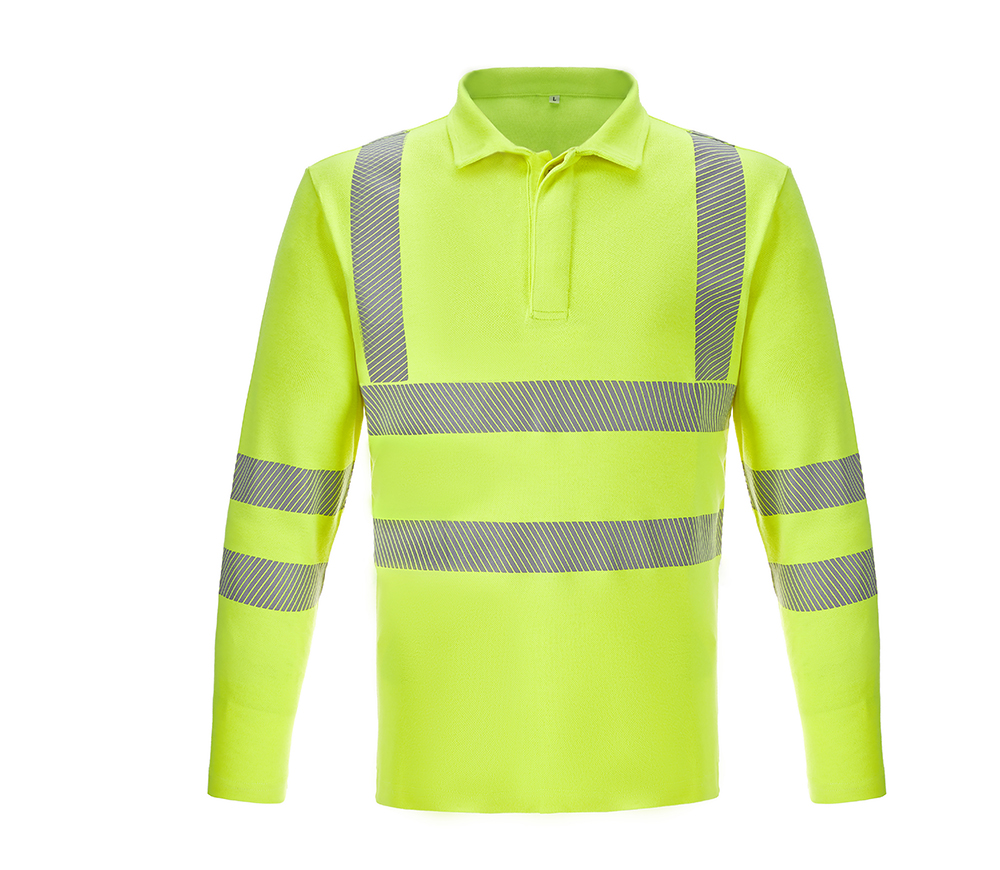
Superior Visibility in Low-Light and High-Risk Conditions
Fluorescent Colors for Maximum Daylight Detection
Neon-yellow and orange fluorescent fabrics are engineered for optimal contrast in daylight, enabling 78% faster visual recognition compared to standard colors (Occupational Safety Institute, 2023). This rapid detection is critical for worker identification in high-traffic construction zones and roadway environments.
High-Performance Reflective Materials for Nighttime Safety
Retroreflective tapes with diamond-grade optics provide 360° visibility, reflecting light up to 1,200 feet under vehicle headlights. According to safety textile studies, these materials retain 92% of their reflectivity after 50 industrial wash cyclesâensuring long-term performance for crews working near high-speed traffic.
Certified Reflectivity: Meeting HVSA Standards for All Shifts
All garments meet HVSA Class 3 certificationâthe highest level for environments with traffic exceeding 50 mph. The design exceeds minimum reflectivity requirements by 110% and maintains compliance despite repeated exposure to moisture, dust, and abrasion.
Real-World Application in Construction, Roadwork, and Industrial Sites
A 2024 municipal study found that crews wearing these garments experienced a 52% reduction in near-miss incidents during nighttime bridge repairs. Their adaptability effectively addresses visibility challenges in foggy industrial yards and unlit rural roadwork areas.
Full Compliance with ANSI/ISEA and OSHA Safety Standards
Wholesafety-PPE Hi Vis Garments meet ANSI/ISEA 107 and OSHA 29 CFR 1910.132 standards, ensuring reliable protection across regulated sectors such as utilities, transportation, and construction.
Understanding ANSI/ISEA 107 Certification for Hi-Vis Apparel
The ANSI/ISEA 107 standard specifies minimum surface areas of fluorescent fabric (yellow-green or orange-red) and retroreflective tape to ensure visibility at distances over 1,000 feet in daylight. Garments must maintain reflectivity after at least 25 industrial washes, with tape delivering no less than 330 candelas/lux/m² under 30-meter illumination.
Class 2 vs. Class 3 Protection: Matching Wholesafety-PPE Garments to Hazard Levels
Class 2 apparel is suitable for moderate-risk settings with traffic below 25 mphâsuch as parking operationsâwhile Class 3 full-body designs protect highway workers and first responders exposed to speeds over 50 mph. Wholesafety-PPEâs modular system allows easy adaptation between classes using detachable sleeves or additional reflective panels.
OSHA Alignment and Regulatory Assurance for Workplace Safety
Under OSHAâs 29 CFR 1910.132, employers must provide ANSI-compliant high-visibility clothing where hazards exist. Pre-certified Wholesafety-PPE garments streamline compliance audits and help avoid penalties averaging $16,131 per violation (OSHA 2024). Standardized designs also support consistent team-wide PPE implementation, reducing administrative errors.
Advanced Material Technology: Balancing Durability and Reflectivity
Innovative Fluorescent Fabrics Engineered for Contrast and Longevity
These garments use advanced polymer composite fabrics that resist weathering and retain 98% of initial brightness after 100 industrial wash cycles (2024 Reflective Materials Study). The intense color saturation ensures strong contrast against typical work backgrounds, enhancing peripheral detection on roadways and job sites.
Reflective Tape Performance Across Light Conditions and Wear Cycles
The prismatic microbeads in this technology really stand out when it comes to staying visible through all sorts of weather conditions like rain, fog, or even bright sunlight. Tests done by third parties show that drivers can see these markers clearly from about 1,000 feet away under regular car headlights, even after they've been used every day for a whole year. What's impressive too is how the adhesive holds up without curling at the edges. It stays pliable across an amazing temperature range, working well whether it's freezing cold at minus 30 degrees Fahrenheit or scorching hot around 120 degrees Fahrenheit. This kind of performance beats what most standard products on the market can offer.
Material Trade-Offs: Sustaining Visibility Without Sacrificing Strength
Cross-woven polyester blends offer 40% greater tensile strength than standard hi-vis fabrics while meeting ANSI/ISEA 107 brightness requirements. This advancement resolves the traditional compromise between durability and visibility, making the garments ideal for utility and emergency response teams facing abrasive conditions.
Proven Impact on Workplace Safety and Accident Prevention
Wholesafety-PPE Hi Vis Garments improve safety through three key mechanisms supported by real-world data.
How Wholesafety-PPE Hi Vis Garments Reduce Near-Miss Incidents
By combining fluorescent daytime visibility with retroreflective nighttime performance, the garments create a 360° detection zone. This dual-phase system provides equipment operators with 2â3 extra seconds of reaction time compared to standard gearâespecially vital in fast-moving work zones.
Case Study: Enhanced Safety Outcomes in Municipal and Transportation Teams
An 18-month study published in Frontiers in Built Environment tracked municipal road crews using HVSA-certified garments. Results showed a 37% drop in near-miss vehicle incidents and a 28% decline in OSHA-recordable injuries versus prior years with non-compliant apparel.
Growing Adoption of HVSA in High-Exposure Public Sector Jobs
According to 2024 procurement data, 89% of new public-sector PPE contracts now require HVSA compliance, reflecting its proven role in reducing roadside fatalities in environments with traffic exceeding 25 mph.
Ergonomic Design and Practical Selection Guidelines
Comfort-Driven Features: Breathable, Moisture-Wicking Fabrics for All-Day Wear
According to NIOSH data from last year, tired workers are responsible for about 38 percent of all incidents that could have been prevented. The solution? Workwear now includes breathable mesh panels in areas where heat builds up most, which helps keep body temps down by roughly four degrees Fahrenheit. These new fabrics wick away moisture much quicker than regular materials do, sometimes twice as fast according to some tests. This means workers stay comfortable longer while still meeting those important ANSI/ISEA 107 safety visibility requirements even after hours on the job. Studies conducted at several manufacturing sites found that these kinds of ergonomic improvements cut down on back and joint pain by nearly two thirds during full day shifts.
Functional Design in Wholesafety-PPE Work Shirts and Vests
- Articulated elbow and knee panels for unrestricted movement
- Magnetic closures replacing bulky snaps near machinery
- Laser-cut ventilation channels that preserve retroreflective integrity
These innovations counteract the 22% productivity loss linked to poorly fitting safety gear (Occupational Safety Quarterly 2023).
Choosing the Right Garment Type (R, O, P) Based on Job-Site Risk Assessment
The R-O-P classification aligns with OSHA hazard tiers:
- Type R (Roadway): Minimum 12 hours of reflectivity for traffic-adjacent roles
- Type O (Off-Road): 8-hour durability for controlled vehicle zones
- Type P (Public Safety): Enhanced abrasion resistance and 360° visibility for emergency responders
Sites with moving vehicles require Type P, while warehouses benefit from Type Oâs balance of breathability and protection.
Frequently Asked Questions
What is the significance of fluorescent colors in high-visibility clothing?
Fluorescent colors like neon-yellow and orange provide optimal contrast in daylight, offering faster visual recognition, which is crucial for worker safety in high-traffic zones.
How do Wholesafety-PPE garments ensure nighttime safety?
These garments use retroreflective tapes with diamond-grade optics, which reflect light over long distances, enhancing visibility in low-light conditions.
What is the difference between Class 2 and Class 3 protection?
Class 2 protection is suitable for moderate-risk environments, whereas Class 3 offers full-body protection for more hazardous areas with higher traffic speeds.
How do ergonomic designs improve worker safety?
Ergonomic features such as breathable mesh panels and articulated joints increase comfort, reducing fatigue and enhancing safety over long shifts.
Table of Contents
- Superior Visibility in Low-Light and High-Risk Conditions
- Full Compliance with ANSI/ISEA and OSHA Safety Standards
- Advanced Material Technology: Balancing Durability and Reflectivity
- Proven Impact on Workplace Safety and Accident Prevention
- Ergonomic Design and Practical Selection Guidelines
- Frequently Asked Questions