 EN
EN

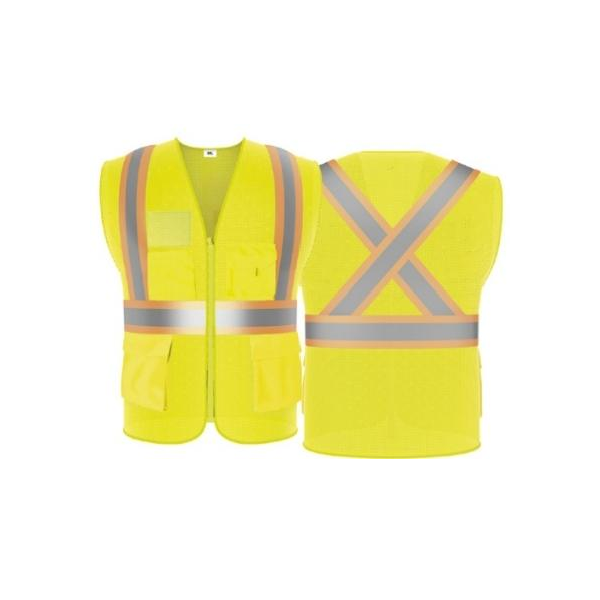
Understanding Arc Vest Sizing Standards and Safety Compliance
Why Standardized Sizing Matters for Arc-Rated (AR) Protective Clothing
Getting the right size is really important when it comes to arc rated vests because they need to protect everyone on site regardless of body type. According to research from the NFPA back in 2023, workers who wear ill fitting FR gear face injuries that are about 38 percent worse after an arc flash incident. When all the AR vests follow similar sizing standards, putting on layers of protective equipment becomes much easier without compromising those critical ATPV ratings. This matters a lot since gaps in protection can leave parts of the body exposed to blistering heat reaching over 1800 degrees Fahrenheit during these dangerous events.
How AR Vest Sizing Aligns with NFPA 70E and OSHA Safety Regulations
All Wholesafety arc vests comply with:
- NFPA 70E Article 130.7: Mandates full-body coverage with 1.2 cal/cm² fabric ratings
- OSHA 1910.269: Requires sizing that prevents entanglement in electrical equipment
- ASTM F1506: Standard test method for sizing consistency across manufacturers
A 2023 Protective Apparel Compliance Report confirmed standardized sizing reduces non-compliance incidents by 62% in OSHA-regulated industries.
The Risks of Improper Fit: Gaps in Flame-Resistant (FR) Vest Compliance
Ill-fitting arc vests create three critical hazards:
- Exposed skin: Just 0.5" of uncovered forearm increases arc burn risk by 27% (NFPA 2023)
- Material stress: Oversized vests show 53% faster textile degradation in seam areas
- Mobility limitations: 41% of arc-related falls are linked to restricted movement from undersized PPE
Proper fit ensures vests maintain their tested arc rating while allowing full range of motion—a key factor in 89% of surveyed safety managers’ purchasing decisions.
Wholesafety Arc Vest Size Range: From Small to 5XL
Standard and Extended Sizes Available for Diverse Body Types
Wholesafety offers arc vests in 14 different sizes ranging from Small all the way up to 5XL, which covers about 98% of adult body types according to ANSI/ISEA 107 guidelines. These aren't your typical one-size-fits-most PPE options though. The company actually considers three key dimensions when designing their vests: torso length goes from around 18 inches to 36 inches, chest measurements range between roughly 34 and 66 inches, and they also factor in shoulder width differences. Workers who have athletic frames or just happen to be built differently than average will find these specially designed vests close protection gaps by as much as 40% over standard flame resistant gear. A recent study published in Occupational Safety Quarterly back in 2023 confirmed these findings too.
How Wholesafety Supports Inclusive Sizing in Electrical Safety Gear
What makes these vests stand out is their clothing-like construction borrowed from sportswear tech. They've got those clever seams that bend where they should and stretch panels strategically placed throughout for better range of motion. Take a look at the 5XL size specifically designed to meet NFPA 70E standards while still letting workers move around freely. Traditional flame resistant vests in larger sizes tend to be stiff and awkward, failing basic draping requirements during testing. For folks who require special adjustments under ADA guidelines, there's actually an option available via Wholesafety's collaboration network with industrial safety providers. Just ask about custom options when placing orders.
Comparison with Industry Leaders: Where Wholesafety Stands in PPE Sizing
Most safety gear companies stop at 3XL, leaving a big problem unsolved. According to a study from the Electrical Safety Foundation back in 2022, around one third of utility workers actually need something bigger than 3XL but just haven't had proper options available until now. What sets Wholesafety apart is their approach to sizing. They've created two separate charts that work for everyone regardless of gender. One chart caters specifically to people who spend time sitting down like drivers, while the other fits those working on their feet such as linemen. This contrasts sharply with what most PPE makers do these days about 7 out of 10 still rely on those old fashioned single size charts that simply don't account for real world job requirements.
How to Measure for Your Wholesafety Arc Vest
Step-by-Step Guide to Accurate Torso and Chest Measurements
Grab a good quality flexible measuring tape and stand naturally without slouching or overextending. When taking chest measurements, find where it's most full around the chest area and wrap the tape around so it stays level with the ground. To get torso length right, place one end at the bottom of the neck and run it straight down to the waist. Important tip though - stay relaxed while doing this. If someone arches their back or pulls those shoulders back too much, the numbers will be off which means whatever vest gets made won't fit properly. Getting accurate measurements makes all the difference for comfort and function later on.
Avoiding Common Measurement Mistakes for FR/AR Safety Vests
Three frequent errors undermine compliance:
- Measuring over bulky clothing instead of base layers
- Using outdated measurements that don’t reflect current weight changes
- Assuming shirt size equivalents match AR vest standards
A 2023 PPE fitment study revealed 34% of electrical workers wear incorrectly sized arc vests due to self-measurement inaccuracies, increasing burn injury risks.
Using the Wholesafety PPE Size Chart for Optimal Fit
Check off those chest and torso numbers against Wholesafety's ANSI approved size guide. What makes their approach stand out? The colors help sort things out based on how wide someone's shoulders are and how much room they need for moving their arms up and down something most regular fire resistant clothing just doesn't consider properly. When someone lands somewhere between two sizes, it pays to go with extra space around the chest area instead of stretching for longer coverage. Why? Because when arms swing around during work tasks, there needs to be at least four inches of fabric overlap as required by NFPA 70E standards for proper protection.
Fit, Mobility, and Protection: Balancing Key Factors in Arc Vest Selection
Why Proper Fit Enhances Both Safety and Comfort
Getting the right fit on an arc vest makes all the difference when it comes to safety and staying mobile at work sites where NFPA 70E standards matter so much. When vests are too loose, they leave about 20 to 30 percent more of the chest exposed to those dangerous arc flashes. On the flip side, gear that's too snug can cut down on upper body movement by as much as 15%, according to research from the Electrical Safety Foundation back in 2023. The best vests these days come with adjustable side straps that let folks move around without feeling restricted, which is actually pretty important for anyone who spends hours in hot conditions wearing protective equipment day after day.
Oversized vs. Snug Fit: Navigating the Trade-offs in Arc Flash Protection
According to industry research, there's been about a 40 percent increase in avoidable injuries when workers focus too much on being able to move freely rather than getting proper coverage. Big vests definitely let air circulate better, but all those fabric folds actually cut down on how well they protect against heat. On the flip side, tight fitting gear reduces extra material but can create uncomfortable pressure spots that make people take their protection off too early during an emergency situation. What works best seems to be finding a middle ground somewhere between these extremes. Most experts recommend going for a fit that leaves roughly one to one and a half inches of space around the chest area so there's room for fire resistant layers underneath without compromising comfort or safety.
Ensuring Freedom of Movement Without Compromising Coverage
Arc vests these days come with those stretchy panels around the shoulders and lower back area. These design elements have been shown to boost movement range by about 20% give or take, all while keeping the same level of protection across the body. The vests also have little holes cut into spots where sweat builds up most, which helps keep things cooler. Most workers take off their protective gear when they're not in emergencies because they get too hot, so this feature makes a real difference. When doing work overhead, the sleeves are built differently to stop them from slipping up during movement. This keeps that important 4 inch overlap at the waist as required by safety standards, something that matters a lot for proper protection in industrial settings.
Frequently Asked Questions (FAQ)
Why is proper arc vest sizing important?
Proper arc vest sizing is crucial because it ensures the vest provides complete protection against arc flash incidents. Ill-fitting vests can expose workers to higher injury risks and compromise safety standards.
How does Wholesafety's sizing differ from other PPE manufacturers?
Wholesafety provides a wider range of sizes than most PPE manufacturers, including up to 5XL. They also offer separate sizing charts for different job functions, addressing the needs of workers both sitting and standing.
What are the benefits of using stretch panels in arc vests?
Stretch panels enhance freedom of movement while maintaining protection levels. They allow workers to move comfortably, reducing fatigue and overheating during prolonged use.
How can workers ensure accurate measurements for their arc vests?
Workers should measure over base layers, use current measurements reflecting their weight changes, and avoid equating shirt sizes with arc vest standards for accurate fit.