 EN
EN

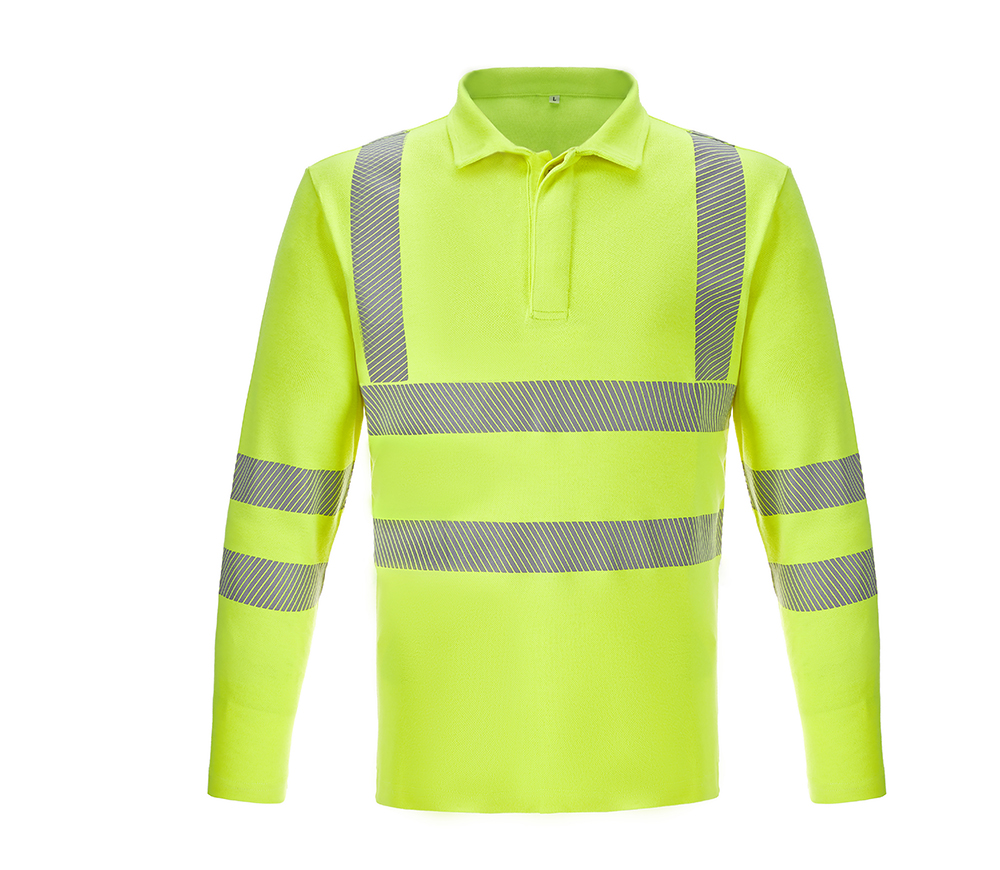
Understanding PPE Garments and Their Role in Workplace Safety
Definition and Purpose of PPE: Creating a Foundation for Injury Prevention
PPE garments are special clothes designed to protect workers when they face dangers on the job, including things like chemicals getting on them, heat exposure, or being hit by objects. These aren't just regular work clothes though. They actually have to pass strict safety tests. For instance, there's this standard called NFPA 2113 that makes sure gear can handle flash fires, and another one named ISO 13688 looks at how comfortable and practical the equipment is for people wearing it all day long. The whole point is so workers stay safe even when working in really dangerous situations.
How PPE Garments Act as a Barrier Against Chemical, Thermal, and Physical Hazards
Material science is central to the protective function of PPE:
- Chemical hazards: Tychem® fabrics block sulfuric acid splashes with 93% efficacy under ASTM F739 lab testing
- Thermal risks: Aluminum-coated materials reflect 95% of radiant heat up to 2,000°F, verified through UL-certified tests
- Physical threats: Chainmail gloves withstand puncture forces up to 6,000N, critical in high-risk environments like meat processing
A 2023 NIOSH field study found that properly fitted PPE prevented 81% of acute injuries among oil refinery workers exposed to multiple hazard types, highlighting its effectiveness when correctly applied.
OSHA and NIOSH Insights: The Impact of PPE on Reducing Workplace Injuries
According to OSHA data, there's been quite a drop in serious chemical burns at workplaces that follow the ANSI/ISEA 105-2016 glove standards since 2019, around 64% actually. Looking at numbers from NIOSH covering about 12 thousand manufacturing accidents, roughly seven out of ten preventable injuries happened because workers weren't properly protected. The main issues? Gloves that didn't fit right or materials that just weren't suitable for the job conditions. Industry experts have been pushing for years now to see personal protective equipment as part of a bigger safety picture, not just something tacked on after other measures. When companies combine good PPE practices with proper engineering solutions and solid administrative policies, they tend to see injury rates go down by nearly 30% across their operations according to OSHA compliance records.
Common Types of PPE Garments and Their Hazard-Specific Applications
Industrial PPE Overview: Coveralls, Gloves, Aprons, and Flame-Resistant (FR) Clothing
On the job site, workers depend on all sorts of protective gear like chemical resistant coveralls, gloves that stop cuts, heat reflective aprons, and those special FR clothes that resist flames. The numbers back this up too - a recent NIOSH report from 2024 found that just wearing FR clothing cuts burn injuries down by around 60% when working near intense heat sources. Foundry workers get extra protection from aluminized aprons that actually bounce off molten metal spills, while metalworkers handling sharp materials need their ANSI certified gloves to avoid nasty cuts. These specific designs really make a difference in keeping people safe during dangerous tasks.
Matching PPE to Job Risks: From Chemical Exposure to Electrical Hazards
Getting proper protection starts with knowing what risks are actually present on the job site. People who work with corrosive materials absolutely need those special chemical resistant suits that have sealed seams throughout, while electricians should definitely be wearing their arc rated gear when there's potential for flash fires, something like ATPV ratings at least 8 cal/cm squared or higher. According to an OSHA report from last year, almost one third of all chemical exposure cases happened because workers weren't wearing the right kind of protective equipment for their particular tasks. This just goes to show how critical it is to match the safety gear exactly to what kind of dangers someone faces day to day.
Disposable vs. Reusable PPE: Balancing Protection, Cost, and Compliance
Healthcare workers typically reach for disposable PPE such as those Tyvek® suits most of the time these days, with around 80% using them regularly to stop infections from spreading. Meanwhile, folks working in heavy industry tend to stick with their reusable flame resistant coveralls because they save money over time despite the upfront costs. According to a recent report from EHS looking at costs back in 2023, companies in construction can actually cut their yearly expenses by about 40% when switching to reusable gear. But there's a catch though these items need thorough cleaning after each use to keep them safe and functional. Otherwise, they won't pass inspection if OSHA shows up unannounced for an audit, which nobody wants to deal with on a busy workday.
Integrated Protection Systems: Combining Respiratory, Dermal, and Eye Protection
When working on high risk jobs, workers need multiple layers of protection at once. Take welders for instance. They wear these special fire resistant hoods that protect their faces from intense heat. Many also have those auto darkening shields that adjust automatically when they strike an arc. And let's not forget the supplied air respirators that keep them safe from all sorts of harmful fumes floating around welding areas. The National Institute for Occupational Safety and Health actually points out something important here. Their research shows that when different pieces of gear don't work well together, problems happen. Like if the straps on a welding hood somehow mess with the seal on a respirator mask. According to their studies, about a quarter of all equipment failures come down to this kind of poor integration between protective devices.
Effectiveness of PPE Garments in Preventing Workplace Injuries
Case Studies: PPE Success in Manufacturing and Construction Environments
One big construction company saw a huge drop in hand injuries - down 52% actually - once they started making workers wear those special anti-vibration gloves plus high visibility gear everywhere on site. Another factory had similar success cutting falls by almost 40% when they installed fall arrest systems along with these fancy AR helmets that help workers spot hazards better. What these numbers show is pretty straightforward though: when companies pick the right personal protective equipment for their specific work environment, safety gets noticeably better. The key seems to be matching protection solutions directly to the kinds of risks people face day to day in different industries.
Data-Driven Results: Injury Rate Reductions Following PPE Implementation
Consistent use of properly fitted PPE reduces accident severity by 60% and prevents 80% of workplace injuries (Paulson Coletti, 2024). Facilities with comprehensive PPE programs report significant improvements:
| Metric | Pre-Implementation | Post-Implementation |
|---|---|---|
| Chemical exposure cases | 22/month | 3/month |
| Thermal burn incidents | 15/month | 1/month |
| Compliance rates | 64% | 92% |
When PPE Fails: Analyzing Human Error Versus Equipment Limitations
PPE stops around 72% of possible injuries when worn properly, but about 40% of all problems come down to mistakes people make wearing them, like getting the size wrong or not replacing gear on time. There are several major issues with current protective equipment too. Many materials don't breathe well enough, which can lead to serious heat stress during long shifts. Some items look fine at first glance but their fire resistant coating has actually broken down over time. And then there's the problem with one-size-fits-all designs that just don't allow workers to move freely. Looking at data from last year's safety audit shows something alarming: nearly two thirds of damaged PPE was being used past what the manufacturers recommend. This highlights why regular checks and proper training for employees remain absolutely essential components of any workplace safety program.
OSHA Compliance and Employer Responsibilities for PPE Programs
Key OSHA regulations governing PPE selection and use
The Occupational Safety and Health Administration requires workplaces to conduct proper risk evaluations as outlined in regulation 29 CFR 1910.132 when determining what personal protective equipment is needed. Workplaces have an obligation to supply their staff with ANSI certified protective gear without charging workers anything extra. This includes things like fire resistant outfits for areas where electrical arcs might occur, and special aprons that stand up to chemicals when dealing with solvents. A recent look at workplace safety data from 2023 showed something interesting: companies that put together solid PPE programs experienced around a two thirds drop in reportable injuries over just two years. That kind of improvement speaks volumes about the importance of getting this right.
Employer duties: Risk assessment, documentation, and enforcement
Three core responsibilities ensure effective PPE management:
- Hazard evaluation – Conduct quarterly reviews of equipment changes and chemical SDS updates
- Usage verification – Maintain digital logs tracking PPE issuance and employee certifications
- Enforcement consistency – Apply clear disciplinary policies uniformly to reinforce accountability
Failure to maintain inspection records accounts for 38% of OSHA PPE-related citations (2024 National Safety Council data).
Building a safety culture: Audits, policies, and accountability
Best Practices for PPE Selection, Fit, Maintenance, and Training
Selecting the Right PPE: Ergonomics, Fit, and Task-Specific Needs
Good personal protective equipment needs to match what the job requires as well as how workers actually move and function. According to OSHA data, almost one out of every four PPE failures happens because gear doesn't fit right or isn't made for the specific hazards involved. Take welding gloves for example they need to let hands work properly but still stand up to heat exposure. Chemical resistant aprons present another challenge they have to fully protect the body area yet not get in the way when bending over or reaching up. Many companies find that creating a simple task assessment chart helps workers pick the right protection for each situation on site.
| Risk Factor | PPE Priority | Performance Benchmark |
|---|---|---|
| Chemical Splash | Sealed seams, ASTM-rated | ≥30-min breakthrough resistance |
| Arc Flash | ATPV 40+ cal/cm² FR clothing | NFPA 70E compliance |
Addressing Improper Fit: Risks and Solutions for Diverse Workforces
When protective gear doesn't fit right, workers face a much higher chance of getting hurt - studies from NIOSH back this up with numbers showing around 43% increased risk, particularly noticeable in companies where employees come in all shapes and sizes. Big glasses tend to fog up constantly while small masks just won't seal properly against faces. The good news? Some workplaces have started implementing better options. One company offers gloves in over twelve different sizes now, another has adjustable harness systems that actually work for most body types. Facilities that made these changes saw their accident rates drop by about 31%. They did things like checking equipment fits before shifts begin, letting staff modify flame resistant clothing right there at work, and even investing in special scanning tech to make sure respirators fit each person exactly how they need them to.
Maintaining PPE Integrity: Cleaning, Inspection, and Replacement Protocols
Improper cleaning can degrade PPE by up to 60% (Paulson Coletti 2023). One refinery extended flame-resistant coverall lifespan by 40% after introducing a certified decontamination protocol. Essential benchmarks include:
- Chemical Gear: Neutralize residues with pH-balanced cleaners within two hours of exposure
- Fall Protection: Retire harnesses after any impact or five years of UV exposure
- Respirators: Replace filters per NIOSH’s 90-day active-use standard
Effective Training Programs That Drive Consistent PPE Compliance
According to NIOSH data from 2022, interactive training methods cut down non compliance rates by around half. One factory actually saw an amazing boost in how workers put on their respirators after implementing VR based simulations, with accuracy jumping nearly 90%. Good safety programs tend to include things like biometric sensors that give instant feedback when removing gloves, have those handy quick reference guides translated into multiple languages, and often throw in some game like elements with live leaderboards to keep people engaged. Facilities that make it a point to do annual refreshers on the latest standards, like ANSI Z87.1 for eye protection gear, generally maintain pretty high compliance levels. Some of the best performing plants report staying above 95% adherence for almost three years straight with these regular updates.
FAQ
What is PPE and why is it important?
PPE, or personal protective equipment, is specialized clothing or equipment worn for protection against hazards in the workplace. It is crucial for preventing injuries related to chemical, thermal, and physical risks.
How does PPE prevent workplace injuries?
PPE acts as a barrier between the worker and potential hazards, significantly reducing the chance of injury by up to 80% when properly used.
What are common types of PPE garments?
Common PPE garments include chemical-resistant coveralls, cut-resistant gloves, heat-reflective aprons, and flame-resistant clothing. These are designed for specific environments to provide targeted protection.
Should workers use disposable or reusable PPE?
The choice depends on the industry and specific safety needs; healthcare workers often use disposable PPE to prevent contamination, whereas industrial workers may prefer reusable PPE for long-term cost savings and environmental benefits.
What is the role of employers in ensuring PPE effectiveness?
Employers are responsible for hazard evaluation, ensuring appropriate PPE is provided, maintaining documentation and compliance, and fostering a safety culture through regular audits and training programs.
How important is the fit of PPE garments?
The right fit is crucial as improper fitting PPE can increase injury risk. Employers should offer various sizes and adjustable options to accommodate diverse workforce needs and ensure optimal protection.
How can PPE fail and what might be the cause?
PPE can fail due to human error, such as incorrect usage or outdated equipment. Equipment limitations like poor breathability and insufficient flexibility also contribute to its failure.
Table of Contents
- Understanding PPE Garments and Their Role in Workplace Safety
-
Common Types of PPE Garments and Their Hazard-Specific Applications
- Industrial PPE Overview: Coveralls, Gloves, Aprons, and Flame-Resistant (FR) Clothing
- Matching PPE to Job Risks: From Chemical Exposure to Electrical Hazards
- Disposable vs. Reusable PPE: Balancing Protection, Cost, and Compliance
- Integrated Protection Systems: Combining Respiratory, Dermal, and Eye Protection
- Effectiveness of PPE Garments in Preventing Workplace Injuries
- OSHA Compliance and Employer Responsibilities for PPE Programs
- Best Practices for PPE Selection, Fit, Maintenance, and Training
-
FAQ
- What is PPE and why is it important?
- How does PPE prevent workplace injuries?
- What are common types of PPE garments?
- Should workers use disposable or reusable PPE?
- What is the role of employers in ensuring PPE effectiveness?
- How important is the fit of PPE garments?
- How can PPE fail and what might be the cause?