 EN
EN

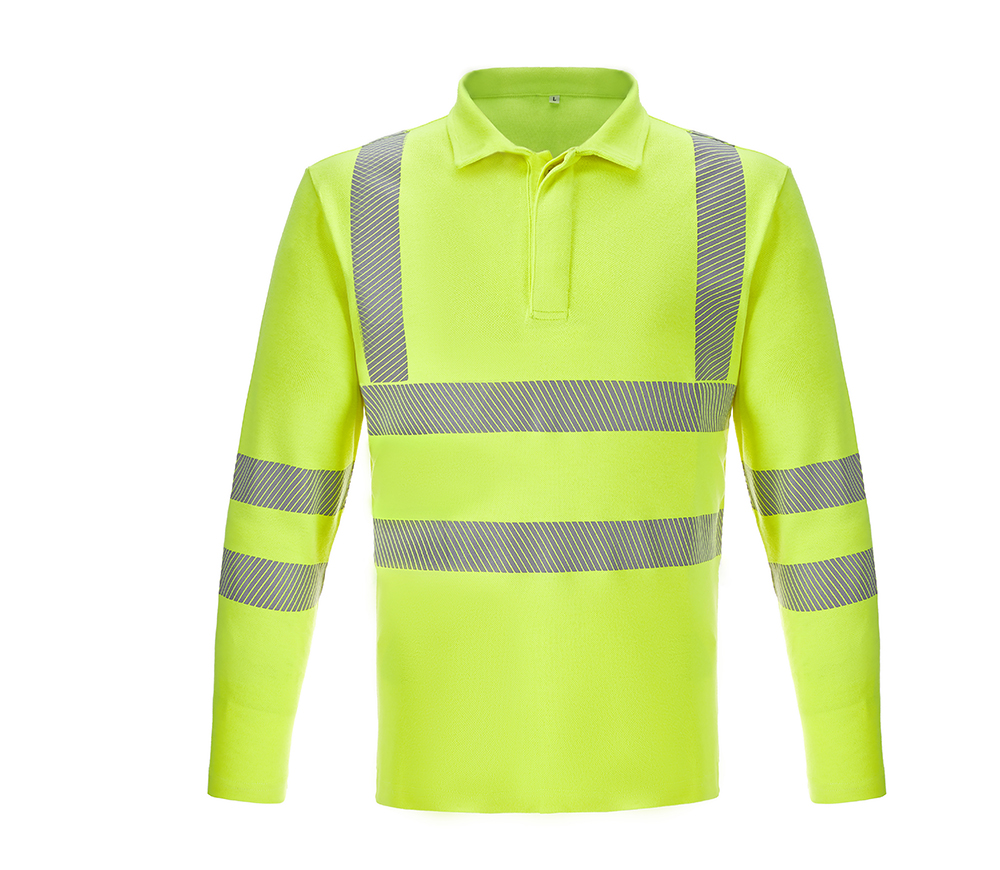
Understanding the Role of Hi Vis Garments in Traffic Safety
Phenomenon: Rising Risks for Workers in High-Traffic Environments
A 2024 Federal Highway Administration study found a 24% increase in near-miss incidents for roadside workers compared to pre-pandemic levels, driven by distracted driving and urban infrastructure expansion. Construction zones now account for $21B in annual accident-related costs (National Safety Council 2023), with visibility limitations cited in 68% of collisions.
Principle: How Hi-Visibility Gear Enhances Worker Detection
Hi Vis garments combine fluorescent fabrics—visible at over 1,000 feet in daylight—with retroreflective tape that reflects 500+ candelas per lux per square meter under headlights. This dual-action system extends driver reaction time by 2.3 seconds at 55 mph, often the critical margin between a safe stop and a collision.
Case Study: Near-Miss Reduction After Mandatory Hi Vis Implementation
When a Midwestern highway authority mandated ANSI/ISEA 107-2020 Class 3 gear for night operations, incident reports dropped 37% within 12 months. Controlled trials showed forklift operators identified hazards 41% faster (NIOSH 2023), reinforcing the role of high-visibility PPE in layered traffic safety strategies.
Compliance with Safety Standards: OSHA, ANSI, and MUTCD Guidelines for Hi Vis Garments
OSHA Requirements for High Visibility Clothing in Roadside Work Zones
OSHA requires Hi Vis clothing in roadside work zones under 29 CFR 1926.651, mandating fluorescent yellow-green, orange-red, or red backgrounds paired with retroreflective tape. A 2024 federal analysis found workplaces using non-compliant gear reported 37% higher near-miss rates. These rules apply to all personnel exposed to vehicular traffic, including construction and utility crews.
ANSI/ISEA 107-2020 Standards for High Visibility Apparel Classification
According to the ANSI/ISEA 107-2020 guidelines, workwear gets divided into three different performance categories depending on what kind of background fabric they use and how much reflective material is included. The Roadway category, or Type R as it's called, offers full 360 degree visibility with reflectivity ratings above 1,150 candelas. Then there's Type P gear meant for public safety workers which actually helps people see movements better across the body. When talking about highway applications where speeds go beyond 50 miles per hour, Class 3 clothing becomes mandatory. These items typically cover around 40 percent more of the torso compared to their Class 2 counterparts, making them much more visible in fast moving traffic situations.
MUTCD Guidelines on High Visibility Safety Apparel for Traffic Control
According to the MUTCD guidelines, flaggers and road inspectors need to wear bright yellow or orange vests with those reflective strips that are about two inches wide. When it gets dark out, these safety clothes help people see workers from around 1,300 feet away, which is way better than regular work clothes can manage. Most states actually follow these rules pretty strictly when setting up temporary traffic control areas. The Department of Transportation across the country has been pushing for this kind of visibility for years now, especially after so many accidents happened because workers weren't seen in time.
Class 1, Class 2, and Class 3 Hi Vis Garments: Matching Protection to Risk Level
Differences in Visibility Performance Based on ANSI Classification
The ANSI/ISEA 107-2020 standard breaks down visibility gear into three main categories depending on how risky the job site is and what kind of environment workers face. For places where speeds are relatively slow, such as parking lots or loading docks, Class 1 clothing works fine since it requires at least 217 square inches of background fabric. When dealing with vehicles going up to around 50 miles per hour, Class 2 protection becomes necessary with minimum coverage of 450 square inches. The highest level comes with Class 3 apparel that features reflective strips along sleeves plus complete torso coverage, making them ideal for fast moving traffic situations. Recent research published in 2024 showed something interesting too: drivers noticed people wearing Class 3 vests about 68 percent better than those in Class 2 during twilight hours when visibility drops off significantly.
| Class | Minimum Background Area | Reflective Material | Common Users |
|---|---|---|---|
| 1 | 217+ sq.in. | 155+ sq.in. | Warehouse staff |
| 2 | 450+ sq.in. | 201+ sq.in. | Roadside crews |
| 3 | 775+ sq.in. | 310+ sq.in. | Highway workers |
When to Use Type R (Roadway) High-Visibility Vests for Traffic Environments
Type R garments meet ANSI’s roadway-specific criteria, featuring 360° reflectivity and color contrast ratios above 40:1. They are required for workers within 50 feet of traffic exceeding 25 mph. Unlike Type O (off-road) apparel, Type R vests include breakaway designs to reduce entanglement risks during vehicle contact.
Field Comparison: Class 2 vs. Class 3 in Nighttime Road Construction
A 2023 study of interstate crews found Class 3 garments reduced near-miss incidents by 47% compared to Class 2 after sunset. The added sleeve reflectivity helps drivers distinguish human forms amid complex lighting. With a visible range of 1,280+ feet, Class 3 provides 3.8 extra seconds to react at 65 mph versus Class 2’s 980-foot detection distance.
The Science Behind Fluorescent and Reflective Materials in Hi Vis Garments
How Fluorescent Fabrics Increase Daylight Visibility
Fluorescent materials work their magic during the day by soaking up UV light and then giving it back out as visible colors, which creates that distinctive glowing look we all recognize. According to some recent studies from ANSI/ISEA 107-2020, workers wearing these fluorescent garments stand out about 2.5 times better than those in regular colored clothes. That's pretty impressive when safety is on the line. Most high visibility safety apparel comes in lime green or orange because these colors pop against almost any background no matter what time of day it is. The standards require at least 310 square inches of this bright material coverage to meet basic safety requirements for most workplaces.
Retroreflective Tape Technology in Low-Light Conditions (Night, Fog, Rain)
Retroreflective strips work really well in poor lighting conditions because they bounce back around 82 percent of the light that hits them, such as car headlights, straight back at the source. According to recent industry research published last year, workers can spot these reflective materials from about 1,640 feet away. Some newer materials combine both fluorescent and retroreflective features which makes them especially useful for safety applications. These combined materials help keep people safe during those tricky times of day when visibility drops off, like early morning, late evening hours, or when there's heavy fog around. Accident rates tend to climb precisely during these transitional periods so having better visibility options matters a lot.
Innovation Trends: Next-Gen Materials for All-Weather Visibility Enhancement
Emerging technologies such as graphene-enhanced fabrics and self-cleaning retroreflective tapes maintain 90% reflectivity after 100+ wash cycles, outperforming traditional polyester blends. Phase-change materials prevent condensation buildup in wet conditions, preserving clarity. Testing in 2024 demonstrated a 40% improvement in nighttime detection distances compared to conventional Class 3 HVSA.
Real-World Applications and Impact of Hi Vis Clothing in High-Risk Sectors
High-visibility garments prevent life-threatening collisions by ensuring workers remain detectable around moving vehicles and heavy machinery.
Traffic Control Workers and Visibility: Preventing Vehicle-Worker Collisions
Roadway crews must wear Class 2 or 3 hi-vis clothing per ANSI/ISEA 107-2020, especially given that 20% of construction fatalities involve struck-by incidents. Retroreflective tape increases detection distances by 400% compared to non-reflective gear during dusk operations.
Law Enforcement and EMS Responder Safety on Highways
Emergency responders using ANSI-certified apparel experience 35% fewer vehicle intrusions during nighttime incidents. Fluorescent materials enable recognition at over 500 feet, which is crucial when establishing dynamic response zones on active roadways.
Use Across Construction, Transportation, and Utility Personnel
Rail inspectors and utility workers report 50% fewer near misses when wearing 360° reflective garments. Standardized colors and contrasting sleeve designs reduce confusion in multi-contractor worksites.
Measuring Effectiveness: Data from NIOSH Studies and Accident Reduction Trends
Industries adopting certified hi-vis gear see 30% fewer visibility-related injuries annually. Nighttime fatality rates decline most significantly, with highway construction zones reporting a 40% reduction post-implementation (ANSI 2023).
FAQ
-
What is the main purpose of Hi Vis garments in traffic environments?
Hi Vis garments are designed to increase visibility of workers around moving vehicles and machinery, thereby reducing the risk of accidents and enhancing overall traffic safety.
-
What are the main standards for Hi Vis garments?
The main standards include OSHA regulations, ANSI/ISEA guidelines, and MUTCD rules, all of which dictate specific criteria for high visibility clothing in various work environments.
-
What are the differences between Class 1, Class 2, and Class 3 Hi Vis garments?
Class 1 is suitable for low-speed environments, Class 2 for moderate-speed traffic areas, and Class 3 for high-speed roadways, providing maximum visibility with extensive reflective surfaces.
-
Why is retroreflective tape important in low-light conditions?
Retroreflective tape is crucial as it reflects light back towards its source, significantly improving visibility at night, in fog, or during rainy weather conditions.
-
What innovations are enhancing the visibility performance of Hi Vis garments?
Recent innovations include graphene-enhanced fabrics and self-cleaning retroreflective tapes which increase durability and maintain high reflectivity even after multiple wash cycles.
Table of Contents
- Understanding the Role of Hi Vis Garments in Traffic Safety
- Compliance with Safety Standards: OSHA, ANSI, and MUTCD Guidelines for Hi Vis Garments
- Class 1, Class 2, and Class 3 Hi Vis Garments: Matching Protection to Risk Level
- The Science Behind Fluorescent and Reflective Materials in Hi Vis Garments
- Real-World Applications and Impact of Hi Vis Clothing in High-Risk Sectors
- FAQ