 EN
EN

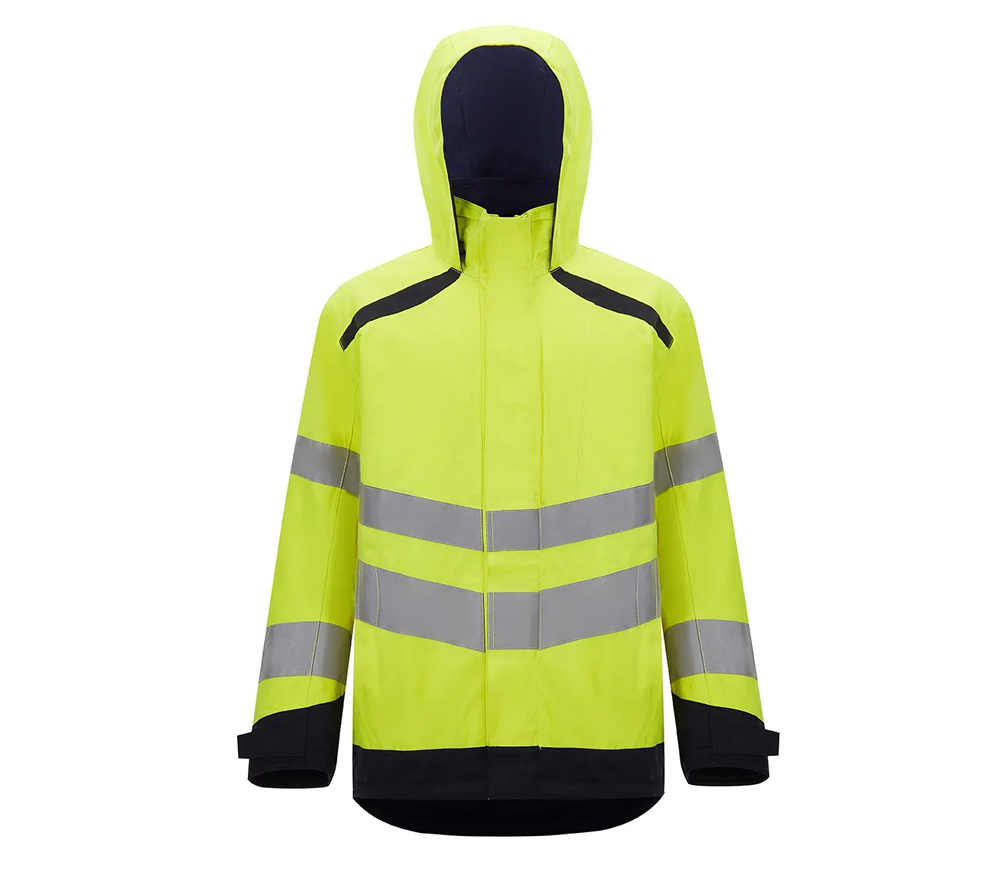
Understanding PPE with High Visibility and Its Core Components
High-visibility PPE (Personal Protective Equipment) is engineered to ensure worker safety in environments with low-light conditions or moving hazards. By combining fluorescent materials and retroreflective elements, these garments create a visual contrast that improves recognition—critical in construction, transportation, and emergency response settings.
What Is High-Visibility Safety Apparel (HVSA)?
High visibility safety apparel, often called HVSA for short, is basically work clothes that help people stand out no matter what kind of light they're in. The industry has these specific rules about how bright and reflective the gear needs to be. Think vests, jackets or full body coveralls made with those bright yellow or orange materials we all recognize. There's also special reflective strips sewn on them according to standards set by organizations like ANSI and ISO. When workers wear this stuff properly, they can still be seen from pretty far away during the day or when cars pass by at night. That makes a real difference in keeping everyone safe around construction sites or road crews.
The Role of Fluorescent Materials and Reflective Tape in HVSA
Fluorescent fabrics work by turning ultraviolet light into colors we can actually see during the day, making them around four times more visible than regular colored materials. For night time visibility, reflective tape comes into play. This stuff usually has tiny glass beads or special prism layers that bounce light right back where it came from, which is really important when working after dark. The materials need to hold up through all sorts of harsh conditions too. They have to survive repeated industrial washes and resist breaking down under constant sun exposure if they want to meet those ANSI/ISEA 107 standards for lasting performance on job sites.
How PPE with High Visibility Enhances Worker Recognition
According to research from Ponemon in 2023, High Visibility Safety Apparel cuts down near misses by around three quarters in dangerous areas such as road work sites. The full circle visibility created through reflective tape and vibrant colors makes it easier for both machine operators and vehicle drivers to spot workers quickly. Reaction times drop by roughly two to three seconds during emergency situations when everyone can see what's happening. These safety measures have become part of official standards under OSHA regulation number 29 CFR 1926.651(c), specifically for teams working on digging projects and trenches across the country.
Types, Classes, and Standards for High-Visibility PPE
Overview of High-Visibility Garments: Vests, Coveralls, and Jackets
High-visibility PPE comes in three primary forms: vests for quick donning/doffing, coveralls for full-body protection, and jackets optimized for cold environments. These garments use fluorescent materials (covering 50% of surface area) paired with retroreflective tape to ensure 360° visibility.
Class 1, Class 2, and Class 3 High-Visibility Clothing Standards (ANSI/ISEA 107-2015 and 2020)
The ANSI/ISEA 107-2020 standard categorizes PPE into three performance classes based on work environments:
- Class 1: Low-risk areas (e.g., warehouse sidewalks) requiring 217+ sq. inches of background material
- Class 2: Roadway zones with traffic under 50 mph, mandating 775+ sq. inches of fluorescent fabric
- Class 3: High-speed highways (>50 mph) or complex backgrounds, needing 1,240+ sq. inches and 360° reflectivity
Differences Between ANSI/ISEA 107 and ANSI/ISEA 207 (Public Safety Vests)
While ANSI 107 focuses on roadway workers, ANSI 207-2023 addresses public safety roles like firefighters and paramedics. Type P vests under this standard feature breakaway designs for emergency scenarios and increased retroreflective tape around arms/torso.
International Benchmark: EN 20471 Standard for High-Visibility Clothing
The EN 20471:2013 (revision due 2028) aligns closely with ANSI 107 but imposes stricter material durability tests, requiring fabrics to retain 70% reflectivity after 50 industrial wash cycles.
Specialized PPE: High-Visibility Gloves, Helmets, and Earmuffs
- Gloves with 5cm-wide reflective strips
- Helmets featuring retroreflective rear chevrons
- Earmuffs with fluorescent orange/yellow housings
Regulatory Compliance: OSHA, ANSI, and Industry Requirements
OSHA Hi-Vis Clothing Standards for 2024: Key Updates
OSHA has rolled out new rules for high visibility work gear in 2024 that focus on making sure workers' clothing actually stands out when needed most. The agency is cracking down harder on how bright the fluorescent fabrics need to be and how much reflective tape must cover the garments. Some parts of these updates match what's already suggested in the ANSI/ISEA 107-2020 standard, which now demands minimum brightness levels of around 500 cd/lux per square meter during daylight hours. That's about 12 percent brighter than what was acceptable before. Why all this attention? Because according to the Bureau of Labor Statistics data from last year, nearly three quarters of avoidable deaths on job sites happen when lighting is poor or inadequate.
Relevant OSHA Regulations: 29 CFR 1926.651(c) and 1910.269(l)
OSHA’s excavation safety standard (§1926.651(c)) mandates high-visibility apparel for workers exposed to vehicular traffic within 50 feet of active roadways. Similarly, §1910.269(l)(8)(iii) requires electrical utility workers to wear Class 2 or 3 HVSA when operating near mobile equipment. Recent OSHA interpretation letters clarify these rules apply regardless of daylight conditions.
Mandatory Compliance vs. Industry Best Practices
OSHA sets the basic rules for visibility standards, but according to the National Safety Council from 2023, about 43 percent of safety managers actually go beyond these minimums by following ANSI's stricter guidelines for important infrastructure work. Take garment replacement as one area where this matters. The ANSI standard suggests swapping out high visibility clothing somewhere between six to twelve months, while OSHA doesn't really specify when they should be changed at all. Businesses that combine both OSHA requirements and ANSI recommendations tend to see around two thirds fewer problems related to poor visibility than companies sticking strictly to what's legally required. Some construction firms have even reported noticeable improvements in worker safety after making this switch.
Controversy Analysis: Gaps Between OSHA Enforcement and ANSI Voluntary Standards
The way safety professionals see it, there are real problems with how OSHA enforces high visibility PPE regulations out in the field, especially noticeable in those states participating in federal-state partnership programs. According to a recent 2023 audit, nearly 3 out of every 10 OSHA inspectors weren't properly trained on the latest ANSI 107-2020 specs. That means roughly 15% of work sites might have gotten away with using gear that doesn't meet minimum retroreflectivity requirements. These kinds of gaps in enforcement have industry watchers pushing harder for consistent national standards that actually incorporate ANSI's technical guidelines instead of just paying lip service to them.
Key Industries and Applications for PPE with High Visibility
Construction Zones: Minimizing Vehicle and Equipment Collision Risks
Wearing high visibility PPE really cuts down on accidents because it keeps crane operators and ground crew members seen clearly no matter what time of day it is. According to a recent 2024 safety study, workers who put on those bright orange vests with reflective strips get noticed 58 percent faster by equipment operators moving around busy construction sites. Around big machines like excavators and asphalt pavers, many workers opt for full body Class 3 coveralls that wrap around completely. These provide maximum visibility when working from sunset until sunrise, which makes sense since visibility drops off so much during those hours.
Transportation and Roadway Work Crews
Roadway flaggers and utility inspectors require ANSI/ISEA 107-2020 Class 2 or 3 gear to maintain visibility to drivers at speeds exceeding 50 mph. Reflective striping on rain jackets and winter coats ensures year-round recognition during nighttime lane closures or storm-related repairs.
Emergency Services: Firefighters, Paramedics, and First Responders
Public safety vests (ANSI/ISEA 207) combine breakaway designs with high-visibility panels to protect EMTs during roadside emergencies while preventing entanglement hazards. Research confirms silver-reflective tape enhances identification under flashing blue/red lights by 43% compared to standard white tape.
Manufacturing and Utility Workers in Low-Light Environments
Food processing plants and electrical substations deploy HVSA gloves with retroreflective fingertips to prevent hand injuries during graveyard shifts. EN 20471-certified coveralls help wastewater technicians remain visible in underground maintenance tunnels with <50 lux illumination levels.
Design, Durability, and Maintenance of High-Visibility PPE
360° Visibility: Strategic Placement of Reflective Tape
Good personal protective equipment needs reflective strips on arms, legs, chest area, and other body parts so workers can be seen no matter where they stand. According to ANSI/ISEA 107-2015 guidelines, Class 3 safety clothing must have around 310 square inches of reflective material to form what looks like a human shape when light hits it at night. Putting these reflective areas in smart locations helps heavy machinery operators spot workers better, which cuts down accidents significantly. Some studies show this kind of visibility improvement reduces collisions in construction sites by almost half according to Bureau of Labor Statistics data from last year.
Color Standards: Fluorescent Yellow, Orange, and Red-Orange
Fluorescent colors amplify daylight visibility while maintaining contrast against common backgrounds like asphalt or vegetation. EN ISO 20471-certified materials retain 90% of their luminance after 100 industrial wash cycles, critical for roles requiring frequent PPE cleaning. Studies show fluorescent yellow-green enhances peripheral motion detection by 30% compared to standard orange (NPPTL 2022).
Material Durability and Environmental Resistance
High-performance fabrics combine UV-stabilized polyester with breathable laminates to withstand:
| Factor | Performance Threshold |
|---|---|
| Abrasion | 20,000+ Wyzenbeek cycles |
| UV Exposure | ≤15% color fade after 500 hrs |
| Water Resistance | 10,000mm hydrostatic pressure |
These properties ensure compliance without sacrificing comfort during 12-hour shifts.
Ergonomic Design to Maintain Unobstructed Visibility
Garments with laser-cut ventilation and bonded seams prevent reflective tape peeling during bending or reaching. A 2023 field study found adjustable sleeves and waistbands reduced restricted movement complaints by 68% while keeping 98% of retroreflective surfaces exposed.
Proper Fit and Layering Without Covering Reflective Elements
According to OSHA regulation 1926.95, employers must offer workers at least three different sizes so their clothing doesn't hang loose enough to hide important safety features. Modern workwear now comes with magnetic closure systems that make it much easier to take off jackets while still keeping the safety vest clearly visible. This is actually a pretty big improvement over those old style zippers that used to get stuck all the time. Workers should definitely replace any protective gear that no longer fits properly because when fabric stretches out, it can cut down on reflective visibility by as much as forty percent. That kind of reduction makes a real difference in low light conditions where visibility matters most.
FAQ
What is High-Visibility Safety Apparel (HVSA)?
HVSA refers to work garments designed with bright colors and reflective components to enhance worker visibility in various lighting conditions.
How do fluorescent materials and reflective tape work together?
Fluorescent materials convert ultraviolet light into visible light, improving daytime visibility, while reflective tape ensures visibility at night by bouncing light back to its source.
What are the different classes of high-visibility clothing?
High-visibility clothing is classified into Class 1, 2, and 3 based on the amount of visible material and the complexity of the work environment, according to ANSI/ISEA standards.
What standards govern the use of high-visibility PPE?
Standards such as ANSI/ISEA 107 and EN 20471 dictate the specifications for high-visibility PPE, including material brightness, reflectivity, and durability.
Why is regular maintenance of high-visibility PPE important?
Proper maintenance ensures the longevity and effectiveness of high-visibility PPE, maintaining safety and regulatory compliance.
Table of Contents
- Understanding PPE with High Visibility and Its Core Components
-
Types, Classes, and Standards for High-Visibility PPE
- Overview of High-Visibility Garments: Vests, Coveralls, and Jackets
- Class 1, Class 2, and Class 3 High-Visibility Clothing Standards (ANSI/ISEA 107-2015 and 2020)
- Differences Between ANSI/ISEA 107 and ANSI/ISEA 207 (Public Safety Vests)
- International Benchmark: EN 20471 Standard for High-Visibility Clothing
- Specialized PPE: High-Visibility Gloves, Helmets, and Earmuffs
- Regulatory Compliance: OSHA, ANSI, and Industry Requirements
- Key Industries and Applications for PPE with High Visibility
- Design, Durability, and Maintenance of High-Visibility PPE
- FAQ